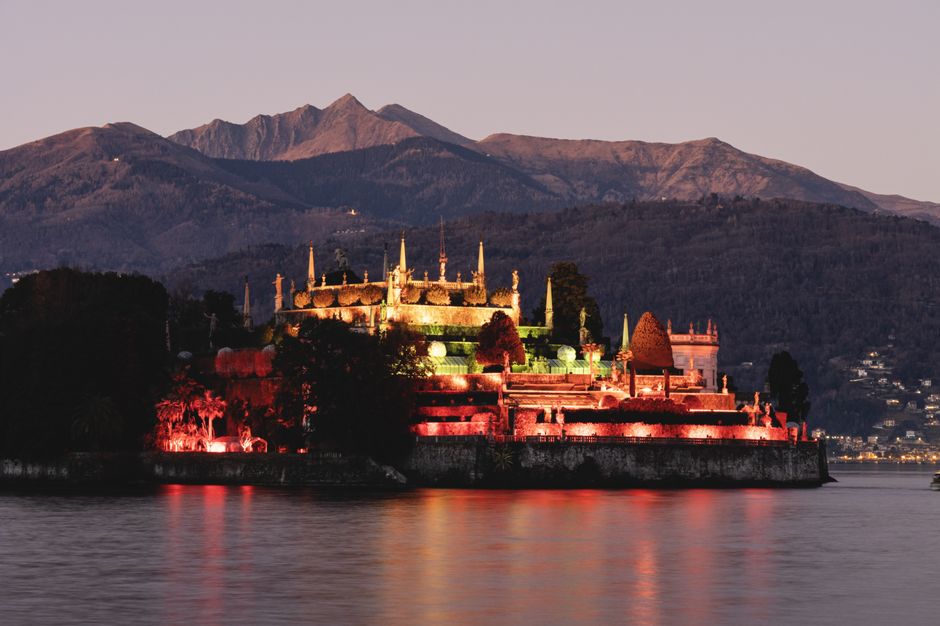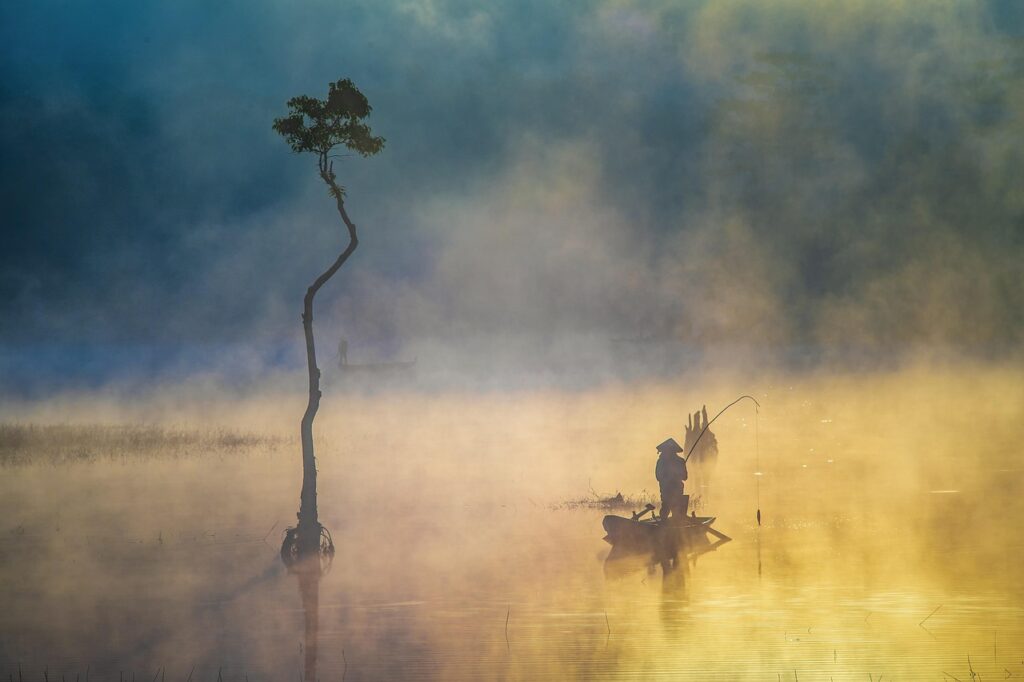






Introduction: Fishermen’s Legends of Lake Maggiore — mist, shores and nighttime tales
Lake Maggiore, that alpine-lakeside gem straddling Lombardy, Piedmont and Switzerland, has always fed the imagination of locals and visitors alike. Between the Baroque façades of the Borromeos and the fishing villages that dot its shores, a rich oral tradition has taken root: stories of miraculous catches, night apparitions, half-legendary aquatic creatures and warnings whispered by the lapping water. These tales — passed along quaysides, in inns or within fishing families — are more than mere folklore: they reflect a close relationship between people and the lake, a way to read the moods of the water and pass on rules of caution and respect.
In this broad yet focused guide, we’ll seek out these night stories and the real places that frame them: spots where people still say a shadow hauled in the nets, quays where the wind murmurs the names of the missing, and islands that seem to keep secrets. We’ll describe specific sites — Stresa, Isola Bella, Verbania Pallanza, Cannobio, Arona, Laveno-Mombello — giving exact addresses, visiting hours, entrance prices and practical tips. The goal isn’t just to list tales; it’s to offer an immersive reading of the area: how to interpret a cliff face, how to listen to the lake at night, which walks are best for hearing these stories, and where to share an old-fashioned fish soup.
This guide is for the curious traveler, the fan of gentle gothic tales, the angler who wants to understand local beliefs, and the stroller eager to soak up the lake’s unique evening atmosphere. We’ll mention the legends — like the mermaids of the Borromean Gulf or the ghost fisherman of Cannobio — but also the concrete contexts: museums, quays, restaurants and tourist offices where you can talk to locals and extend the night with coffee and stories.
Before we begin, a few precautions: the practical details (addresses, prices, opening times) reflect the most recent information available and can vary by season; check official sites before you go. Above all, respecting nature and local customs is essential: many of these tales arise from observations of wildlife and human behavior at the water’s edge — treating these places gently helps preserve their atmosphere and the communities’ memories.
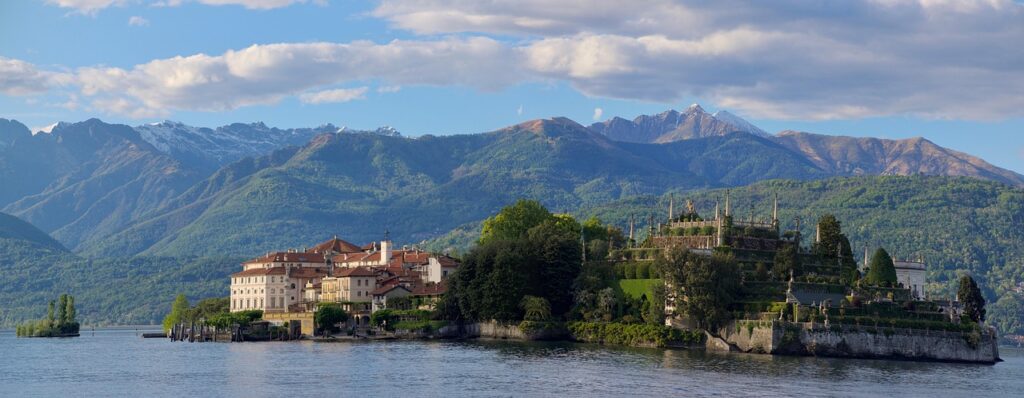
Stresa and the Borromean Islands: palace tales, gardens and lakeside shadows
Stresa (Piazza Cadorna, 28838 Stresa VB, Italy) is often the first stop for anyone hoping to get close to Lake Maggiore and its legends. Dominated by the Borromean Islands, this touristy town has given rise to stories featuring palaces, gardens and mysterious figures slipping among the cypresses. The most famous island, Isola Bella, houses the Palazzo Borromeo and its gardens (Isola Bella, 28838 Stresa VB, Italy), a baroque complex known for its terraces and flowered paths. Practical info: entrance to the palace and gardens — around €18.00 per adult (indicative), discounts for students and seniors; high-season hours (April–October): 9:00–18:00, off-season often 9:30–16:30. Shuttle boats leave regularly from Lido di Stresa (Lungolago Matteotti, 28838 Stresa VB); round-trip tickets to the islands start at about €14.00 depending on the company and season.
The most popular local legend in Stresa tells of a woman in a white dress who, on foggy nights, climbs the steps of Palazzo Borromeo before disappearing among the statues and greenery. Local fishermen of the Borromean Gulf claim this figure is the spirit of a 16th-century lady whose heart was broken by a local lord. The more pragmatic attribute the sightings to optical effects created by lantern light on the water — but the story endures, especially during night tours and dramatized walks offered by the tourist office.
Practical tips: to soak up the nocturnal atmosphere, book a guided sunset visit. The Stresa tourist office (Ufficio Turistico di Stresa, Via Roma 15, 28838 Stresa VB, Italy) is typically open 9:00–19:00 in season and can provide schedules and tickets for crossings. After your visit, opt for a meal at a traditional trattoria: Trattoria Del Porto (Via Roma 27, 28838 Stresa VB; tel. +39 0323 937777) serves local fish dishes, main courses €12–22; hours: 12:00–14:30 and 19:00–22:30. Older fishermen advise keeping clear of the jetties after 22:00 on full-moon nights — they say currents and reflections create illusions that can be dangerous for light boats.
Verbania Pallanza and marshland tales: wetlands, old houses and nocturnal calling
Verbania Pallanza (Piazza Garibaldi 2, 28922 Verbania Pallanza VB, Italy) on the western shore offers a different, more intimate and botanical face of Lake Maggiore. Villa Taranto (Viale Napoleonico Borromeo 3, 28922 Verbania Intra VB — note: Villa Taranto is on the Intra side but it’s common to combine the visit with Pallanza) is famous for its botanical gardens and is a popular stop (entrance about €13.00; hours: 9:00–18:30 in high season). In Pallanza itself, narrow streets and small ports inspired stories of marshes and lake gorgons — bittersweet creatures said to lure the unwary into shallow areas at dusk.
A common tale recounts the voice of an old fisherman calling for his missing brother among the reeds near the lakefront (the Lungolago, Lungolago Marconi, 28922 Verbania Pallanza). Residents say this voice is heard most on humid nights when a northern wind blows and the lake’s surface becomes a mirror. For enthusiasts, the Casa del Lago – Museo (Piazza Belli 4, 28922 Verbania Pallanza VB, Italy) hosts small exhibits on traditional fishing and net techniques, with variable opening times: check the website or call +39 0323 515000 for hours and fees (often free or nominal: €3–5 for smaller temporary shows).
For an immersive experience, follow the lakefront walk at dusk from Piazza Garibaldi to the pier (Porto di Pallanza, Lungolago Marconi), a 1.5–2 km stroll. Bring a flashlight, a windproof jacket and respect signs marking private or fishing areas. Local guides recommend joining a night tour organized by community associations — these usually cost €10–20 per person and often require advance booking (contact the Provincial Tourist Office, Ufficio Turistico Provinciale, Corso Mameli 1, 28922 Verbania Intra, +39 0323 416341).
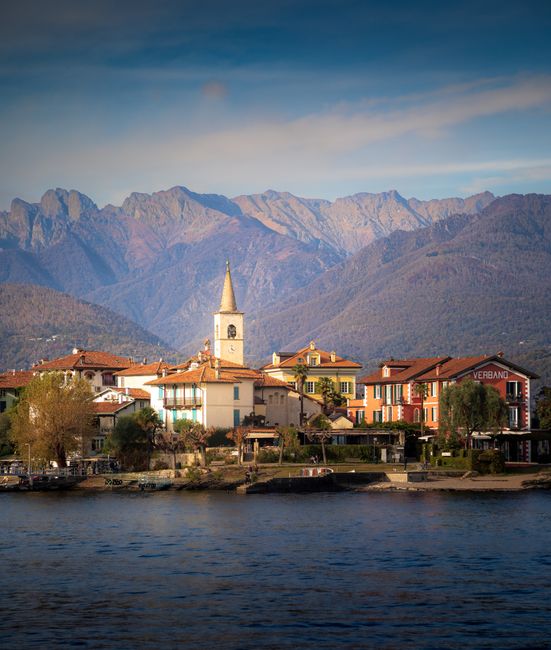
Cannobio, the old quays and the legend of the “Ghost Fisherman”
Cannobio (Piazza Vittorio Emanuele II, 28822 Cannobio VB, Italy) at the northern tip of the lake, on the Swiss border, boasts one of the most charming old harbors. Its medieval lanes, basilica and summer market welcome visitors seeking authenticity. One of the most told legends is that of the “Pescatore Fantasma” — a fisherman who supposedly died in a violent storm and whose harpoon still clatters on some nights near the Molo di Cannobio (Lungolago Marconi, 28822 Cannobio). Locals say the figure walks on the water, constantly checking nets: those who see him are said to have a good catch the next day, but must keep the sighting secret if they want the luck to last.
To dive into this atmosphere, start at the Saturday market (Piazza Vittorio Emanuele II) where smoked fish and artisan goods are sold (hours: morning, 7:00–13:00). Then head to the porto (Porto di Cannobio, Lungolago Marconi) to watch traditional fishing boats. Nearby, Trattoria Da Pina (Via Torricelli 12, 28822 Cannobio VB; tel. +39 0323 741234) offers a fish soup (“zuppa di pesce”) around €14.00 and specialties like lavarello (local whitefish) from €18.00; hours: 12:00–14:30, 19:00–22:30. Pina, the owner, enjoys telling customers the Ghost Fisherman story after service over a glass of local wine.
Practical tips: Cannobio at night feels very different from daytime — quieter, more mysterious. Avoid venturing out alone in a small boat after midnight unless you’re experienced; underwater topography changes abruptly and currents can surprise. If you want an organized visit, Pro Loco di Cannobio (Piazza Vittorio Emanuele II, 28822 Cannobio, tel. +39 0323 740050) sometimes runs themed walks, especially in summer, with prices typically €10–25 per person. These tours are also a chance to meet older fishermen who share firsthand experiences — stories that intersect with the official legend.
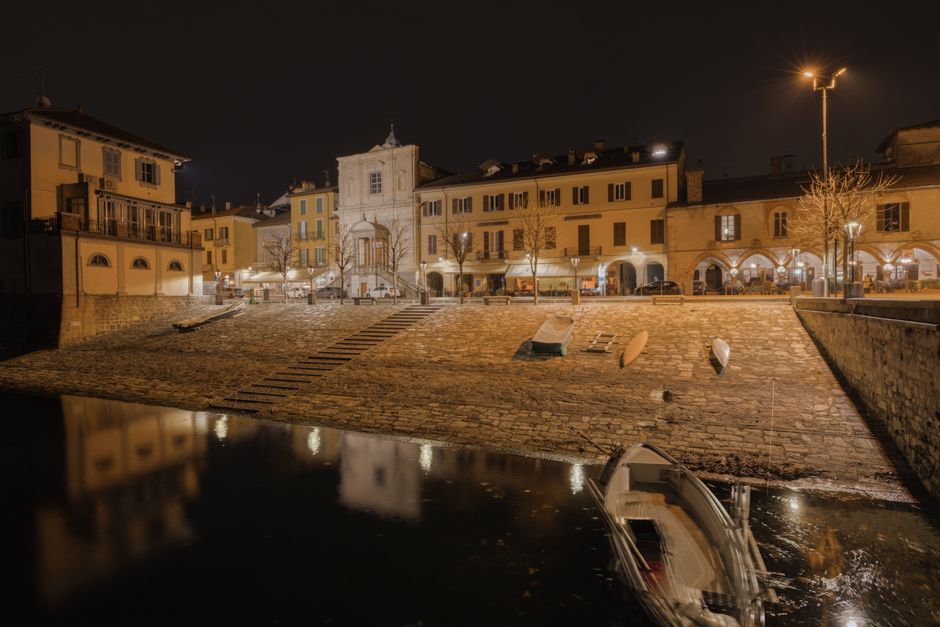
Arona, the Rocca and water whispers: tales of monsters and lost angles
Arona (Piazza del Popolo 1, 28041 Arona NO, Italy) presents a more monumental face, dominated by the Rocca Borromeo (Rocca di Arona, Piazzale della Rocca, 28041 Arona). From up there, the view over the northern gulf of the lake is impressive, and the surrounding cliffs have inspired stories about aquatic creatures hiding in submerged crevices. Local lore speaks of a “big fish with red eyes” seen off Punta Vevera, described by fishermen as a nocturnal predator capable of dragging entire nets away. Accounts vary: some point to a large catfish, others to a more mythic being — a so-called “guardian of the lake.”
Visits and practical info: the Rocca offers historical tours and, in good weather, observation time slots — entrance to Rocca Borromeo is about €5.00 (indicative), opening times vary by season (generally 10:00–17:00). Nearby, the Museo del Paesaggio (Corso Cavour 34, 28041 Arona NO, tel. +39 0322 222243) showcases exhibitions on local history and lake life (entrance €4–6, hours 10:00–18:00). To get close to the legendary Punta Vevera, take a walk along Lungolago Marconi: the poplar shadows, smoothed rocks and low water give the place an almost sacred feel at dusk.
Safety and immersion tips: if you enjoy night observation, go with a group or a guide. Several local operators leaving from Porto di Arona (Lungolago Marconi) offer short sunset observation cruises (prices €15–30 depending on duration, typically 1–2 hours). Fishermen suggest using powerful spotlights to locate fish schools rather than fishing blindly — not only for safety but to protect spawning areas that often sit near the cliffs. And if you plan to try your luck near Punta Vevera, always ask a local fisherman for advice: they know the reefs and currents better than anyone.
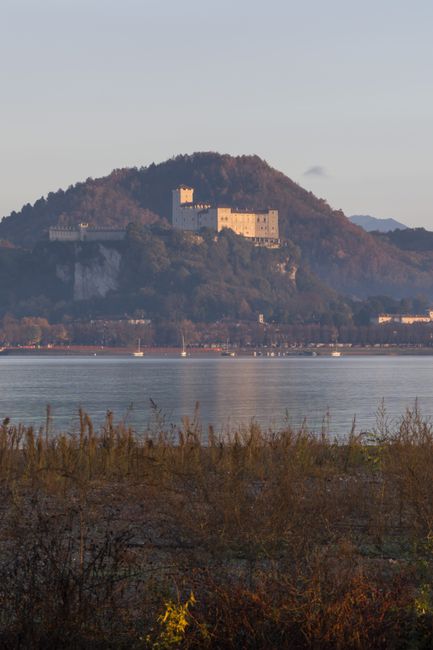
Laveno-Mombello and the ferries: crossing tales, fog and silhouettes on the decks
Laveno-Mombello (Piazza Bovani 3, 21014 Laveno-Mombello VA, Italy) on the eastern shore is the main ferry hub for crossings, especially to Piedmontese shores. The ferry terminal (Stazione Marittima, Piazza del Porto, 21014 Laveno-Mombello) is lively and a crossroads where travelers’ stories and night legends mingle. Sailors say that on very foggy early crossings you can see figures walking on the water near the ferries, as if the lake were re-creating forgotten passages. These apparitions are often tied to historic events — sinkings, castaways and cargo boats — some of whose wreckage is still reported beneath the surface.
Practical: regular crossings between Laveno-Mombello and Intra or the Borromean Islands are run by several companies (Navigazione Laghi), approximate fares €8–15 depending on destination and season. Timetables: frequent in high season (departures every 30–60 minutes), sparser off-season; ticket offices and machines are on the port square (Piazza Bovani). For visitors, buying tickets in advance is recommended during tourist season to secure a spot, and check night departures — they’re often limited or non-existent after 21:00.
Recommended experiences: to fully feel the crossing stories, take a short dusk crossing (e.g., Laveno → Intra, 20–30 minutes) and listen to the sailors’ tales. Marina di Laveno (Via A. Volta 10, 21014 Laveno-Mombello) is also a meeting place for amateur fishermen; you’ll find repair workshops, small cafés and weather notices. A local must-stop is Pasticceria Gelateria Caffè Bianchi (Piazza Garibaldi 8, 21014 Laveno-Mombello VA) for an espresso or a pastry after the crossing — espresso around €1.20; hours: 7:00–20:00. Local fishermen urge respect for lake tides and to check weather bulletins — while the lake is calmer than the sea, fog and wind can make crossings tricky for small boats.
Practical, respectful travel tips for exploring the legends
- Do your homework before you go: contact local tourist offices — Ufficio Turistico Stresa (Via Roma 15, 28838 Stresa VB), Pro Loco Cannobio (Piazza Vittorio Emanuele II), and the Verbania tourist office — for hours and reservations.
- Transport: Navigazione Laghi di Como e Maggiore — ticket offices at main ports; fares and timetables online. Carry cash for small boats and markets.
- Nocturnal safety: avoid sailing alone at night; follow fishermen’s and lake wardens’ guidance. Bring a life jacket, flashlight and a charged phone.
- Respect sites and communities: don’t disturb fishing areas, leave nets and gear alone, and ask permission before filming fishermen.
- Best time to visit: May to September for island visits and organized night walks; in low season stick to daytime visits and museums.
Conclusion: listening to the lake — with caution, respect and wonder
Exploring the fishermen’s legends of Lake Maggiore means allowing yourself to be guided by the memory of places and the voices of lakeside communities. From the baroque palaces of Isola Bella to the steaming quays of Cannobio, via Arona’s rocks and the crossings from Laveno-Mombello, each shore tells its own story. These nighttime tales are not just fanciful stories: they are ways of sensing the lake’s dangers and resources, lessons wrapped in vivid images — the white dress on the terraces, the fisherman’s silhouette on the water, the red eyes of a legendary predator. For visitors, the challenge is twofold: listen to these stories while placing them within their human and ecological context.
Practically speaking, following schedules, prices and local customs will enrich your experience. Visit tourist offices for the latest info: Ufficio Turistico di Stresa (Via Roma 15, 28838 Stresa VB), Casa del Lago in Verbania (Piazza Belli 4), Pro Loco Cannobio (Piazza Vittorio Emanuele II). Taste lakeside cuisine at the places mentioned — Trattoria Del Porto in Stresa, Da Pina in Cannobio — and let those who live by the lake tell you the tales. Bear in mind that some legends are used to attract visitors: prefer stories told by elder fishermen for a truer sense of authenticity.
Finally, remember Lake Maggiore is a living ecosystem. creature and apparition stories often link to natural phenomena — fog, reflections, level changes, currents — and to biodiversity (fish like lavarello, catfish, perch). Chasing legends will teach you to watch nature, understand the seasons and respect the hours when the lake withdraws or quiets. Bring curiosity, a listening ear and a flashlight for night walks — but most of all, go with the desire to preserve these places and their memories for future generations.