





Introduction: The language of the baroque garden on Lake Maggiore
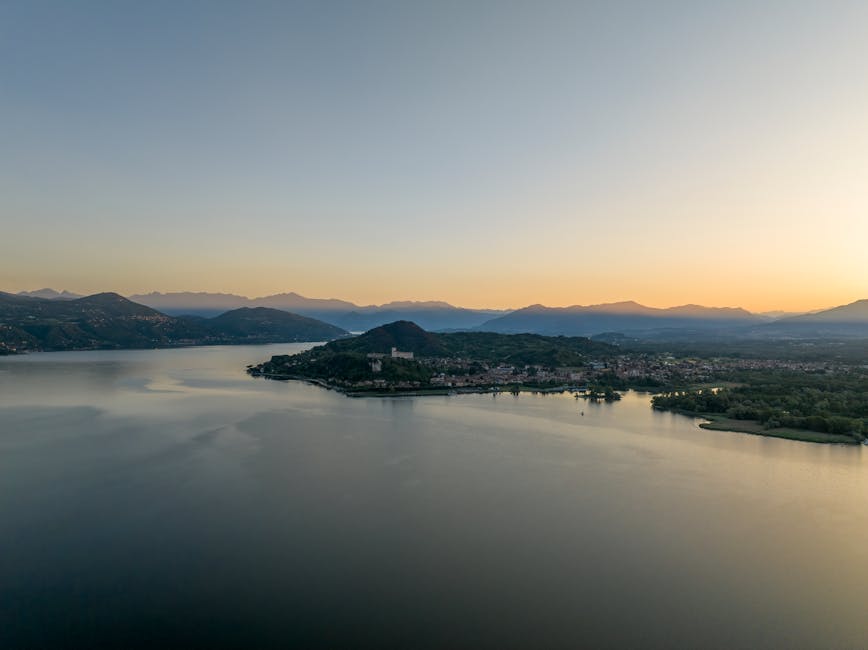
On the western foothills of the Italian Alps, Lake Maggiore unfolds its shores like a stage where water, light and architecture meet. Among the features that give this cultural landscape its fame, the baroque gardens — punctuated by sculptures and fountains — form a visual and symbolic vocabulary all their own. They tell stories of powerful families, especially the Borromeo, and of how the art of staging plants and architecture sought to tame nature. Walking through these gardens is like reading an open‑air book: every statue, basin and alley is a sentence; every perspective, a paragraph.
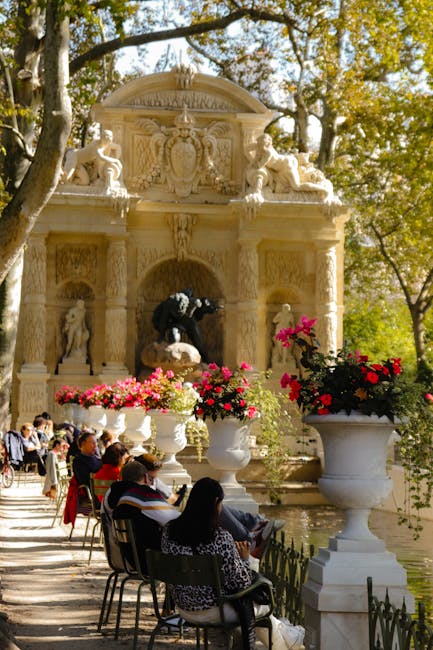
Baroque garden design is marked by allegorical figures, theatrical water displays, tightly controlled sightlines and dramatic contrasts of scale designed to surprise and engage the visitor. Around Lake Maggiore, these elements speak with a Mediterranean grace: multicolored marbles, clipped topiary, trompe‑l’oeil stairways and, above all, a special love for sculpture as the garden’s « voice. » Statues act as performers narrating myths, virtues and power, while fountains set the tempo with their hydraulic music, offering both refreshment and spectacle.
In this guide we’ll take you through several emblematic Lake Maggiore sites where baroque sculpture and fountains are in full voice. You’ll find descriptions of the works and their meanings, plus practical visiting information: exact addresses, opening hours, admission prices, photography tips and rules of conduct for historic sites. Whether you’re an art history buff, a gardener hunting for inspiration or a curious traveler, this article will help you read and feel the sculptural language of the lake’s baroque gardens.
We’ll also focus on the sensory experience: how the morning sun sculpts stone faces, how the fountains amplify birdsong, and why certain views, taken at specific times of day, seem designed to astonish. Expect immersive descriptions and practical tips — how to avoid crowds, where to park, which tickets to buy in advance — plus a virtual image gallery (indicated by markers) to help you picture the most striking scenes. Let’s set off on a stroll where stone and water speak: each statue is a phrase, every spray of water a punctuation mark.
Isola Bella and the Palazzo Borromeo: Baroque drama in the middle of the lake
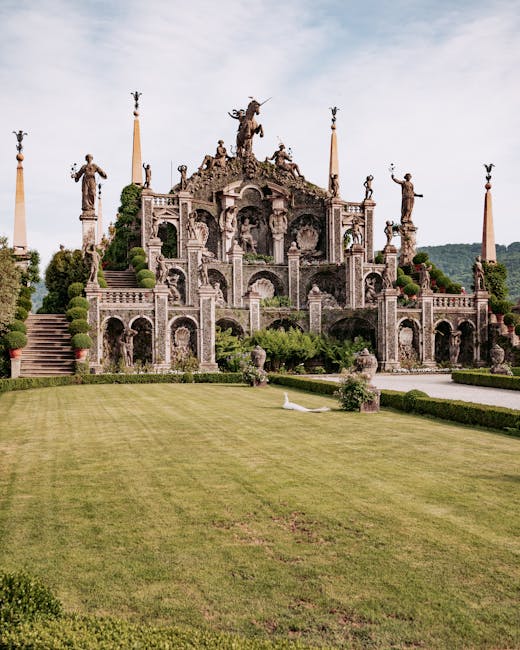
Isola Bella is unarguably one of Lake Maggiore’s most iconic places to study baroque sculptural language. Dominated by the sumptuous Palazzo Borromeo, the island is reached from Stresa and unfolds a sequence of terraces — both Japanese‑inspired and baroque — that slope down to the water. The palace and gardens were developed in the 17th and 18th centuries by the Borromeo family, who transformed the rocky islet into a luxurious stage where every statue and basin serves a narrative or ceremonial purpose.
Address: Palazzo Borromeo, Isola Bella, 28838 Stresa VB, Italy. Access by boat from Piazza Giuseppe Mazzini, 28838 Stresa VB (regular shuttle boats). Opening times: generally open April to October, 09:00–18:30 (seasonal variations). Indicative price: combined palace + gardens ticket around €16 for adults (discounts for youth, seniors, children; prices may change). During high season it’s wise to buy tickets online to avoid queues.
The garden terraces are anchored by rows of marble statues and monumental basins. Notable works include allegories of the Mediterranean, mythological figures and water mascarons that animate the pools. The main terrace reads like a theatrical set: a central axis draws the eye toward the palace while sculptural groups mark the visitor’s progress. The water features, now sometimes powered by modern pumps, were originally designed to amaze — alternating jets, cascades and mirror pools that reflect the façades.
Practical tips: for photos, favor early morning or late afternoon when side light emphasizes the sculptural modeling. Wear comfortable shoes — the terraces include many stone steps. In summer the island can be crowded; aim for an early departure from Stresa (the piers often open around 08:30). For a more reflective visit, book a guided walk with a local guide to decode the statues’ symbolism (Greco‑Roman myths, Borromeo family allegories).
Isola Madre: romance, gazebos and naturalistic figures
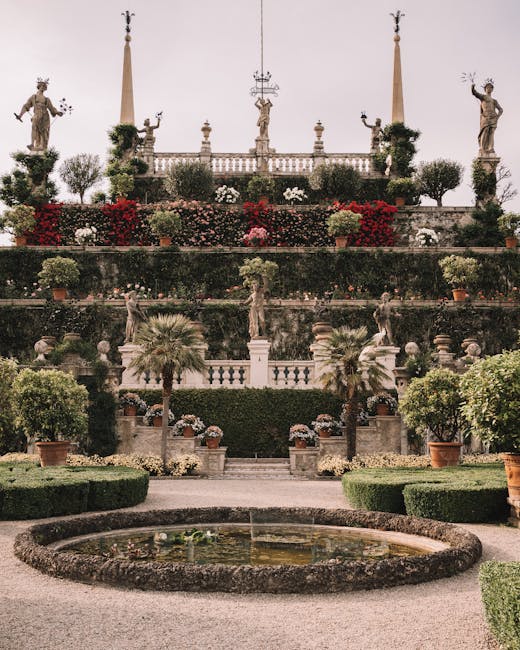
Just next to Isola Bella, Isola Madre offers a complementary experience: less theatrical and more botanical, yet equally rich in sculptures and water accents. The large botanical park established by the Borromeo in the 18th century combines shaded avenues, aviaries, scattered statues and water features that create painterly frames around every turn.
Address: Isola Madre, 28838 Stresa VB, Italy. Access: shuttle from Stresa (same pier as Isola Bella). Opening times: generally open April to October, roughly 09:00–18:00 (check the official calendar). Prices: combined islands ticket Isola Bella + Isola Madre + Isola dei Pescatori about €20, single Isola Madre ticket around €12 (seasonal variations and discounts apply).
Isola Madre stands out for life‑sized sculptures integrated into the landscape: stone busts, pastoral groups, small altars and basins tucked under Himalayan cedars and sequoias. The fountains here are often more discreet: circular pools, small man‑made streams and water features that irrigate exotic beds. The park’s layout encourages surprise: a statue appears at the bend of a path, a marble face is reflected in a calm pool, or a small jet announces a viewpoint.
For visitors interested in botany and the baroque treatment of plants, Isola Madre is a lesson in balance. Sculptures are placed to converse with exotic species — magnolias, araucarias, camellias — creating compositions where stone and foliage harmonize. Birds in the aviaries provide a natural soundtrack that complements the soft notes of the small fountains.
Practical tips: bring a small blanket if you’re planning a contemplative picnic (some spots are ideal; respect park rules). Paths can get muddy after rain, so closed shoes are recommended. Macro photographers will love the surface details of the sculptures — mosses and patinas tell the long story of works exposed to the elements.
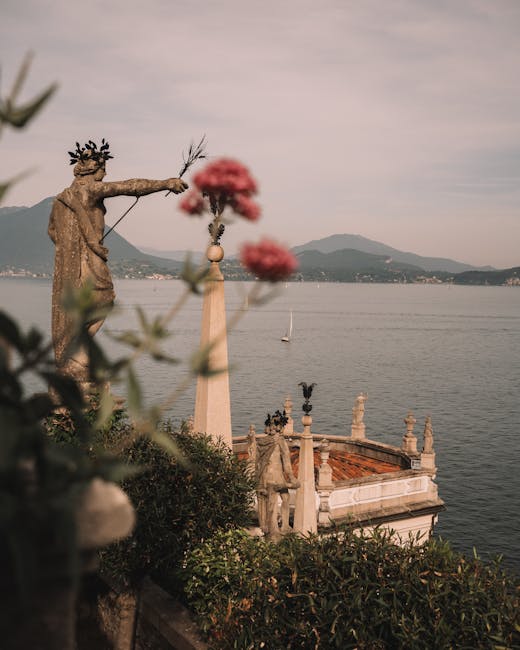
Villa Taranto: a Victorian spirit and staged water features
Though Villa Taranto in Verbania is better known for its English‑style botanic collections and herbaceous borders, sculptural interventions and ponds play a key role in the park’s drama. Created in the 20th century by Scottish botanist Neil McEacharn, the gardens adapted earlier structures and integrated them into a meticulously staged horticultural setting where statues and fountains act as visual punctuation.
Address: Giardini Botanici Villa Taranto, Viale Antonio Diaz 3, 28922 Verbania Pallanza VB, Italy. Opening times: generally open March to November, 09:30–18:00 (seasonal variations). Admission: around €12 (adult), with discounts for families and groups; prices may change. Phone contact and online ticketing recommended in high season.
Villa Taranto displays a collection of sculptures — mostly small statuettes and decorative fountains — that punctuate flowered paths, geometric beds and ponds studded with water lilies. The sculptural register here is more intimate: cherubs, ornamental cups and small allegorical figures. These elements work as « stop points » on the walk, giving visitors plenty of occasions to admire botanical detail and the reflection of stone in water.
Although more modest than Isola Bella’s baroque exuberance, Villa Taranto’s fountains are important: they pace transitions between different garden tableaux. A circular pool at the heart of a bed reveals the park’s symmetry, while other jets feed mirrors that multiply the color of dahlias and tulips in spring.
Practical tips: allow several hours to explore Villa Taranto if you want to cover all paths and greenhouses. Bring water, a hat and sun protection in spring and summer. As the collections are highly photogenic, observe the « no entry » signs and refrain from touching the sculptures. Benches near the ponds make great rest stops for watching reflections.
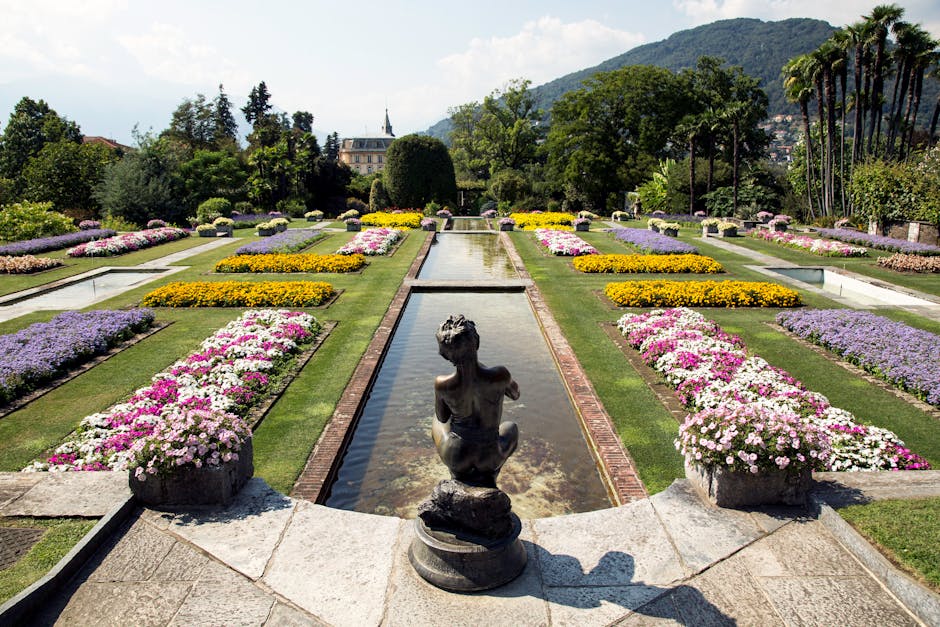
Villa Pallavicino and the animal park: sculptures, grottoes and little water theaters
The Parco della Villa Pallavicino, in Stresa, is another place where sculpture and water features coexist with aviaries and a small menagerie. Created in the 19th century and later converted into a public park, it combines decorative elements, artificial grottoes, tiny waterfalls and statues that adorn key points along the route. The approach here is more family friendly and picturesque, with an emphasis on strolling and children’s wonder.
Address: Parco della Villa Pallavicino, Via Vittorio Emanuele III, 51, 28838 Stresa VB, Italy (note: numbering varies by access; often listed as Parco Pallavicino, Stresa). Opening times: generally open April to October, 09:00–19:00 in high season. Admission: about €12 for adults, reduced rates for children and families (possible combined boat + park tickets). Check prices at the gate or online.
Sculptures here appear as classical statues, basins and carved groups integrated into belvederes and artificial caves. The mini‑fountains and man‑made streams help recreate moods: illusions of ruined antiquity, secret pools and small « water theaters » where jets punctuate a landscape scene. It’s a welcoming space where local cultural programming sometimes includes open‑air concerts, enhancing the dialogue between art and nature.
Practical tips: the park is stroller‑friendly on most main paths, though some steeper areas may be less accessible. Refreshment stands are on site; check their hours outside the peak season. For photographers, the variety of subjects — sculptures, animals, water features and lake views — makes for strong themed series.
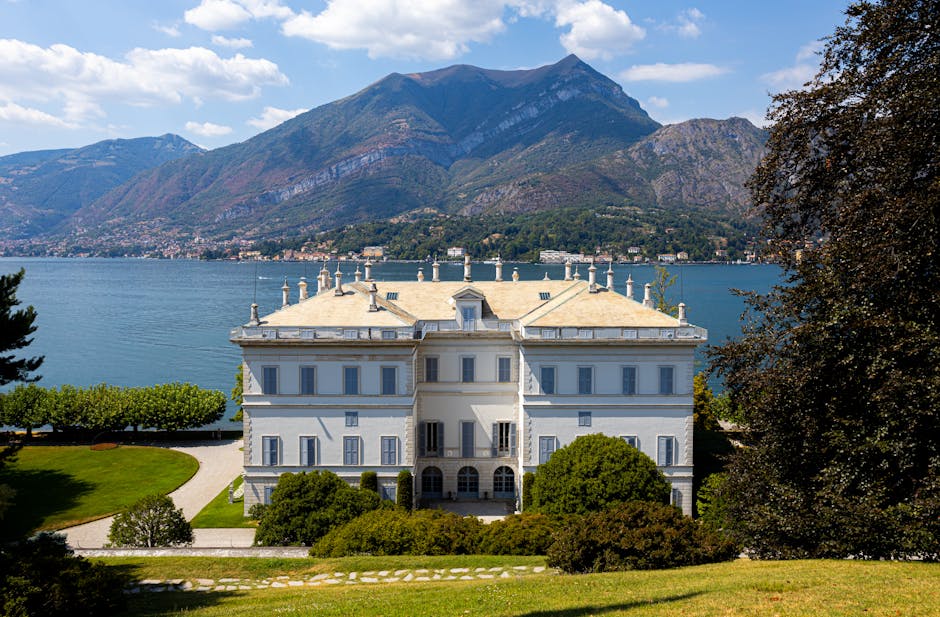
The scattered properties around the lake: hidden fountains, small sculptures and discovery routes
Lake Maggiore is not just the big islands and famous villas: many private estates, municipal parks and town squares preserve lesser‑known baroque or neo‑baroque elements that are equally fascinating. These secondary sites often hold unexpected finds — a restored fountain in a village square, a sculpted group set into a façade or an old basin tucked into a public garden.
Notable spots include the Stresa promenade – Lungolago di Stresa (Piazza Giuseppe Mazzini, 28838 Stresa VB) where decorative sculptures and ornamented pools line the waterfront; Cannobio (Piazza Vittorio Emanuele II, 28822 Cannobio VB) with its small paved squares and public fountains; and the village of Cannero Riviera (28825 Cannero Riviera VB), where the Rocca di Cannero and coastal ruins are highlighted by landscaping punctuated with sculptures.
Practical info and addresses: most of these small spots are free to access (public squares and promenades). Some private properties or monasteries may charge a modest entry fee (for example local small museums priced between €3 and €7). Opening times vary widely: public squares are open 24/7, while museums and small exhibitions often follow 09:00–12:30 and 14:30–18:00 schedules. Ask local tourist offices for themed maps (for example Ufficio Turistico Stresa, Piazza Marconi 11, 28838 Stresa VB).
Practical tips: do thematic walks starting from the lakeshore at dawn — low light reveals textures and patinas on the sculptures. Local guides and themed maps provided by tourist offices often point out « blind alleys » — small streets where you find old fountains. To help preserve these places, follow signage, don’t climb on statues and avoid picnicking right at the base of historic works.
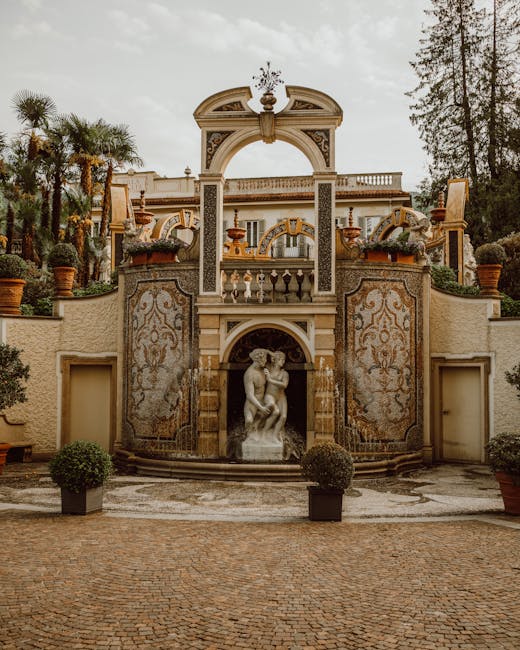
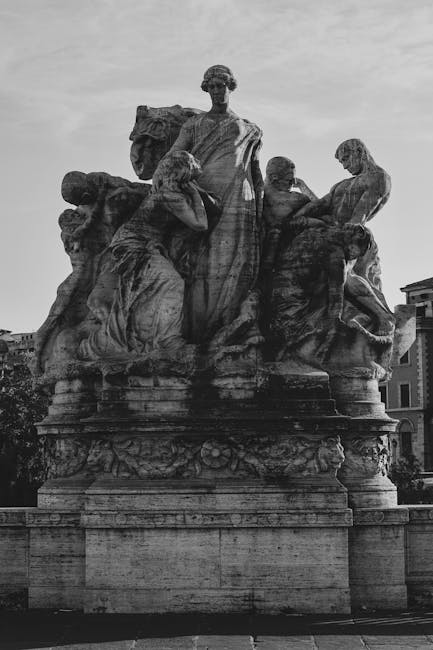
Practical tips for reading and photographing baroque sculptures and fountains
Understanding the language of the baroque garden requires close observation and a few technical reference points. First, identify the garden’s main axis: a long perspective with opposing statues often signals an intent to stage a scene. Allegories (virtues, seasons, natural elements) are frequently shown with attributes — laurel crowns, urns, animals — which help decode the message. Fountains were designed to surprise or direct the eye: a sudden jet, a hidden cascade or a mirror pool multiplying landscape images.
Photography tips: favor the « golden hour » at sunrise or sunset — side light sculpts volumes and enhances relief. Use a mid‑range lens (35–70mm) for overall compositions and a longer lens (85–200mm) to isolate details of carved faces and hands. Don’t forget a tripod if you want to capture silky water with long exposures (if the site permits tripods). Respect site rules: some gardens don’t allow tripods or professional shoots without a permit.
Preservation and behaviour: statues and fountains are often old and fragile. Avoid direct contact, don’t climb on pedestals and leave no trace (litter, graffiti). If you’re traveling in a group, appoint a photo coordinator to avoid blocking narrow spots. Check rules for pets — many botanical gardens prohibit animals.
Getting around the lake: use the shuttle boats to link Stresa, Verbania, Baveno and the islands — often the most scenic and quickest option. Boat tickets are sold at ticket offices and online; fares vary (one‑way island transfers ≈ €6–€8). Parking near piers (e.g. Stresa, Piazzale Lido) may be paid (≈ €1–€3 per hour depending on season). In summer, book crossings early to avoid queues.
Conclusion: listening to the mute language of Lake Maggiore’s baroque gardens
Lake Maggiore’s baroque gardens are places where sculpture and water converse to weave a visual narrative that goes far beyond mere decoration. At Isola Bella, Isola Madre, Villa Taranto, Villa Pallavicino and in lakeside towns, every statue, basin and jet was conceived to speak to those who know how to look. These elements form a language composed of classical symbols and theatrical effects: they tell of power, virtue and beauty, but also of ephemerality and fragility in the face of time.
Traveling the shores of Lake Maggiore to read this language calls for a deliberate pace. Take time to stop, study the attributes of figures, listen to the fountains’ rhythm and note how the landscape is framed by carefully constructed perspectives. The practical information gathered here — full addresses, typical opening hours, approximate prices and photography tips — is meant to help plan your visit. Keep in mind that times and prices may change with the season and local events; always check official sites or the tourist office before you go.
Finally, these gardens invite visitor responsibility: respect the works and spaces, avoid any damage, and favor behaviours that help preserve these cultural landscapes. In return you’ll receive a rich experience — a book of stone and water where each step turns a new metaphor. Lake Maggiore, with its islands, villas and waterfront streets, remains one of Europe’s clearest and most poetic expressions of the baroque garden. Take your time, let a surprise fountain catch you off guard, pause before a marble face and listen: the gardens will speak.