





INTRODUCTION — Orchids, camellias and cypresses: seasonal highlights in Lake Maggiore’s gardens
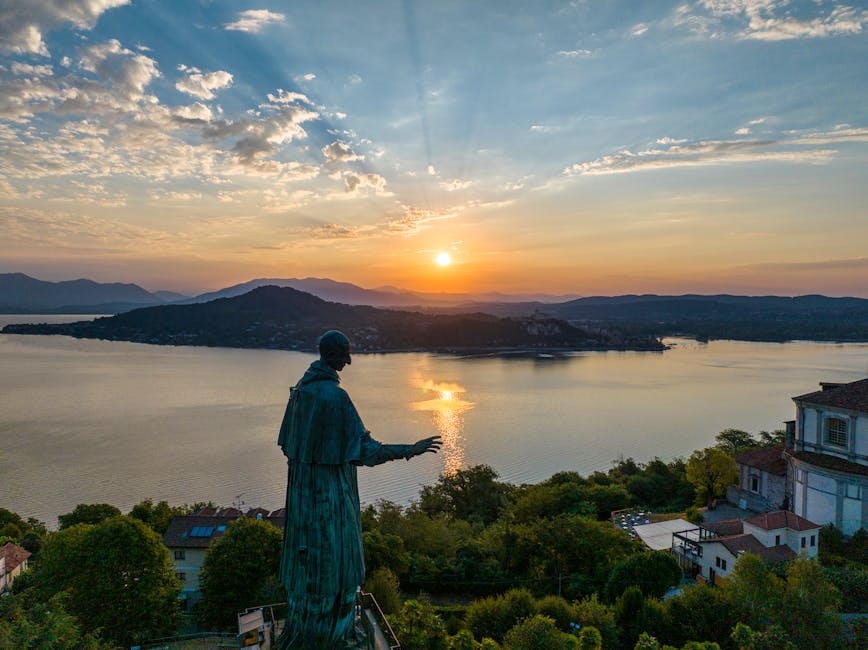
Lake Maggiore, the liquid border between Lombardy and Piedmont, is a place where a temperate climate softens the seasons and encourages lush vegetation. From spring onwards the shores and the Borromean Islands explode with color: centuries-old camellias, rhododendrons, azaleas and orchids vie for visitors’ attention, while tall cypresses form the backbone of historic gardens. This microclimate, moderated by the lake’s mass and sheltered by surrounding mountains, has allowed species from milder climates to acclimatize, turning parks and gardens into true botanical conservatories.
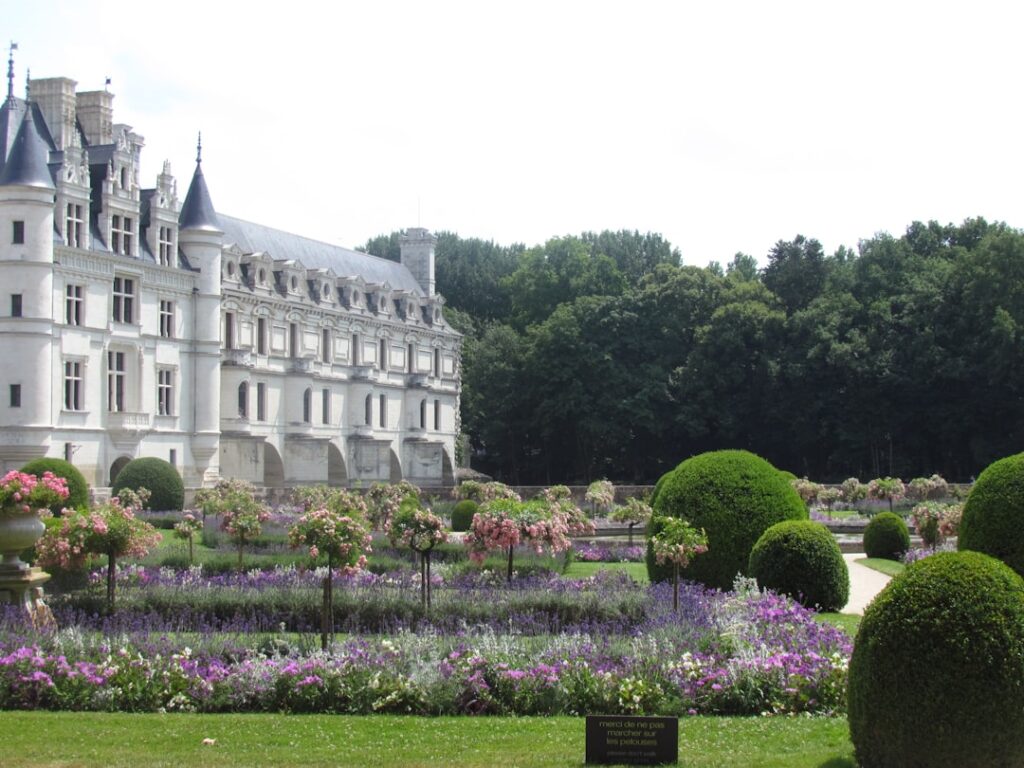
In this piece I’ll take you on a sensory, season-by-season tour of Lake Maggiore’s gardens — not just to admire spectacular blooms but to help you plan your visit, pick the spots you shouldn’t miss, and make the most of each changing atmosphere. We’ll cover specific places like the Giardini Botanici Villa Taranto in Verbania-Pallanza, the Borromean Islands (Isola Bella, Isola Madre) and Parco Villa Pallavicino in Stresa, with opening times, approximate fees, detailed descriptions and practical tips for photographing, avoiding crowds and extending your stay nearby.
Although orchids are often associated with tropical greenhouses, around Lake Maggiore they find cool, humid niches — alpine rock gardens, damp understories and shady exposures — that suit alpine species and naturalized varieties. Camellias reign in winter and early spring: some avenues at Isola Madre and Villa Taranto put on vivid displays of pink, ruby red and pristine white as early as February–March. And the ever‑green cypresses, Mediterranean symbols, structure vistas, mark viewpoints and create columns of shade that persist year‑round.
Throughout this guide you’ll find immersive descriptions, local practical tips (best hours, transport, amenities), exact addresses, opening times and prices in euros to plan your visits. Whether you’re an amateur botanist, a photographer or a walker seeking calm, this seasonal overview of Lake Maggiore will help you choose the right time for each species and get the most from every garden.
Orchids at Lake Maggiore: where to see them, when and how
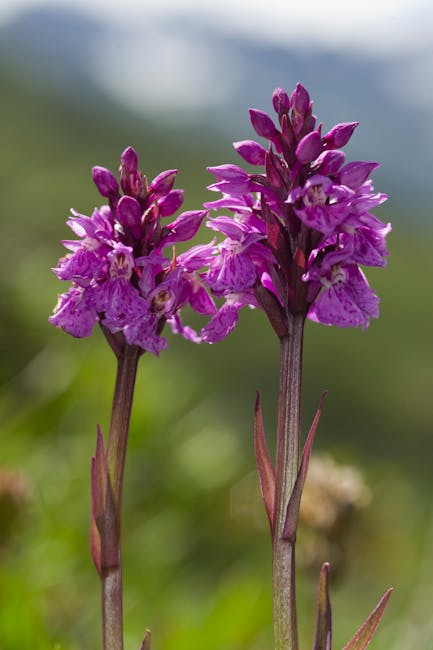
Orchids around Lake Maggiore are often discovered while walking forest edges, in alpine rock gardens or inside curated botanical collections. You won’t typically find the big tropical phalaenopsis that grace living rooms, but you will encounter a wealth of terrestrial orchids (genera like Orchis and Dactylorhiza), epiphytic or lithophytic orchids housed in historic greenhouses, and alpine varieties cultivated in rockeries. Observing these discreet plants requires care: never pick them, avoid trampling the understory, and favour guided tours offered by some gardens.
A must-visit for enthusiasts is the Giardino Botanico Alpinia (Mottarone / Stresa), renowned for its alpine rockeries and mountain species collections. Address: Giardino Alpino Alpinia, Via Panoramica del Mottarone, 28838 Stresa VB, Italy. Opening hours: generally 9:00–17:00 (seasonal and snow-dependent). Admission: around €6–€8. Perched between lake and mountain, this garden offers shaded paths where humidity and cool conditions allow alpine orchids to thrive. The best time to see them is late spring to early summer, when snowmelt creates favorable microclimates.
Another great spot for collections and greenhouses is the Giardini Botanici Villa Taranto, Via Vittorio Veneto 3, 28838 Verbania (Pallanza). Hours: high season (April to October) 9:00–18:00; reduced hours outside that period — check before you go. Admission: roughly €13–€15 for adults depending on season. Villa Taranto hosts beds, rockeries and greenhouses where exotic orchids are maintained under controlled conditions. For photographers, misty mornings are ideal: low, slanted light reveals petal textures without washing out colors.
Practical tips: wear shoes suited to damp trails, bring a loupe or a macro lens for close-ups, and read the gardens’ information panels which often pinpoint rare species. If you want to join botanical walks, contact the tourist offices in Stresa (Piazza Marconi, 1, 28838 Stresa VB; Tel: +39 0323 937… — check the local number) or Verbania for seasonal programs. Above all, obey protection rules: wild orchids are protected and removing them can result in fines.
Camellias: winter blooms on the Borromean Islands and the shores
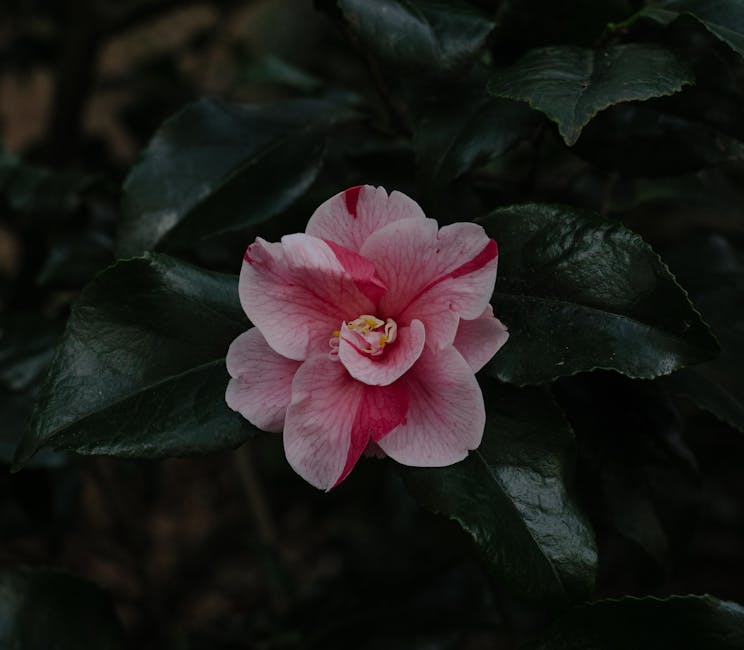
Camellias on Lake Maggiore are a major attraction from late winter into early spring. On the Borromean Islands — especially Isola Madre and Isola Bella — and in the Villa Taranto gardens, whole avenues burst into red, pink and white from February onward. Many of these trees and shrubs are centuries old and show evidence of long, careful horticultural stewardship.
Isola Madre (Isole Borromee) is famous for its historic park and its camellias. Boarding and visitor info: Imbarcadero Stresa – Piazzale Lido, 28838 Stresa VB (ferries to the Borromean Islands). Isola Madre — Palazzo Borromeo, Isola Madre, 28838 Stresa VB. Hours: island and palazzo opening times vary with the season; typically 9:00–18:00 in high season. Combined tickets (Isola Bella + Isola Madre + Isola dei Pescatori) are about €20–€25 for boat + admission (prices vary by operator). The park at Isola Madre, with its long avenues and lake views, is ideal for spotting camellias as single specimens or in groves, sometimes trained as small standard trees.
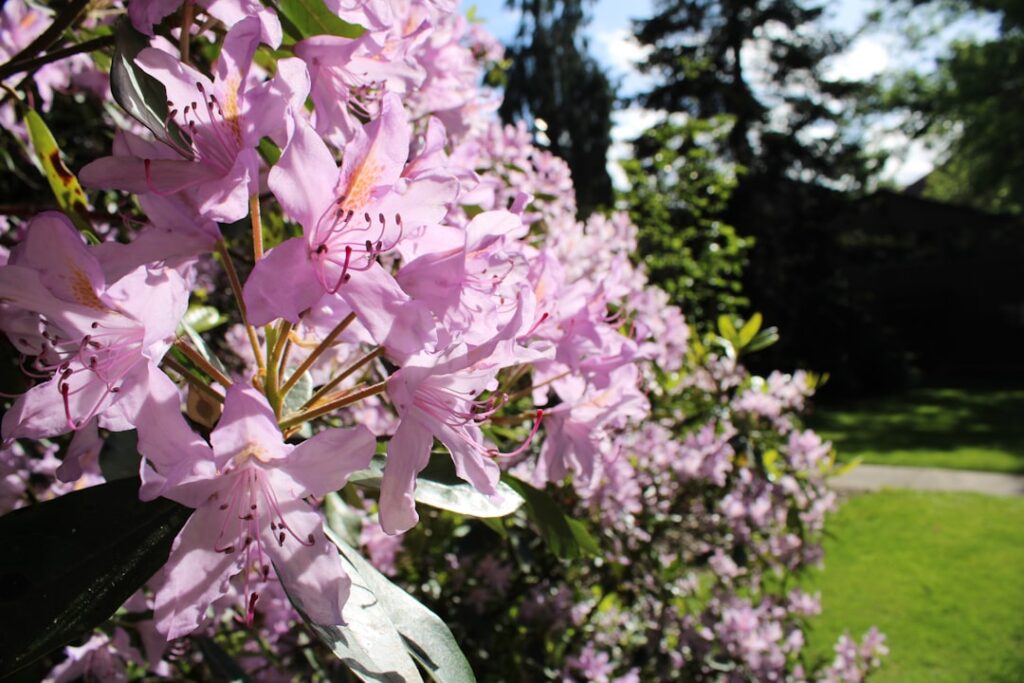
Villa Taranto (Giardini Botanici Villa Taranto, Via Vittorio Veneto 3, 28838 Verbania Pallanza) also holds an outstanding collection of camellias and rhododendrons. The plantings are staged to offer sequential transitions: camellias give way to rhododendrons and then to spring blooms. Beds are well labelled and often include planting dates, origin and horticultural notes.
To make the most of camellia season, visit on weekdays, early in the morning or late afternoon when light softens and crowds thin. For photos, a mid-range focal length helps isolate flowers against the lake background; a macro lens captures petal textures after rain. Transport-wise, many water taxis and excursions depart from Stresa (Imbarcadero Stresa, Piazzale Lido, 28838 Stresa VB); buy tickets online in high season to skip queues.
Cypresses and landscape architecture: lines, shade and routes
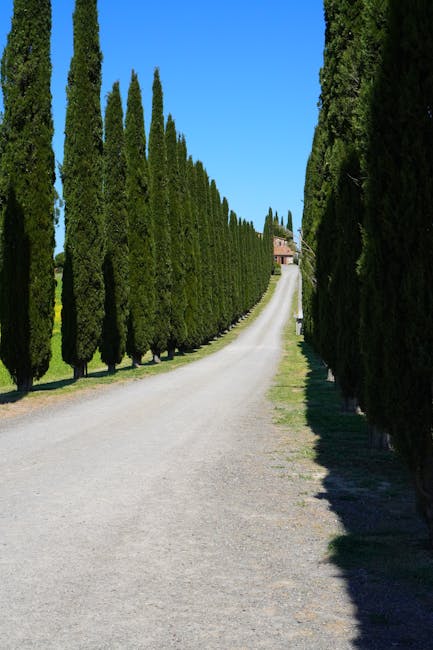
Cypresses give Lake Maggiore a Mediterranean verticality that structures gardens, frames paths and highlights viewpoints across the water. Whether lining a paved promenade or flanking a monumental staircase, these conifers add visual stability and seasonal contrast to the colorful understorey. The best examples are found in large public and private parks where landscape history has paired local topography with acclimatized exotic species.
Parco Villa Pallavicino (Parco Villa Pallavicino, Via Antonio Mella 43, 28838 Stresa VB) offers shaded avenues punctuated by cypresses and Mediterranean species. Opening hours: generally 9:00–17:30 (seasonal); Admission: around €10 for adults. This park is a fine example of how cypresses function both as landscape punctuation and as shelter for the fauna in its animal park. Walking between groves and viewpoints you can see how plant choices guide the path and shape the sensory experience.
In Verbania (Pallanza) the lakeside promenade provides other framed views: the Viale delle Magnolie and the public gardens overlook the lake and are dotted with cypresses that outline those vistas. Address: Lungolago di Pallanza, 28922 Verbania, Italia. These alignments are especially effective in autumn, when summer bloom fades and the dark green of cypresses helps read the landscape lines more clearly.
Practical tips: to photograph cypresses look for side-lighting (morning or late afternoon) to sculpt trunks and create shadow patterns. If you plan a longer botanical walk, bring a topographic map or an offline GPS app: some trails between Stresa and Verbania cross quieter areas where you’ll find cypress lines near historic villas. And remember that winds off the lake can make it noticeably cooler — pack an extra layer.
Visiting, planning and local practical advice
Planning visits around Lake Maggiore means taking seasons, garden opening times and boat services between shore and islands into account. In high season (April–October) most gardens open earlier and close later; however February–March is prime camellia time, while May–June is peak season for alpine orchids and rhododendrons.
Transport: Stresa (Piazza Marconi, 1, 28838 Stresa VB) is the main departure point for boat excursions. The lake navigation network (Navigazione Laghi) runs regular crossings and offers combined tickets for the Borromean Islands. Expect roughly €15–€25 for boat tours with multiple stops, depending on season and ticket type. Regional trains and buses connect Verbania, Stresa and surrounding towns; check schedules on Trenitalia and local bus sites like ARPA Piemonte.
Tickets and opening times: for Villa Taranto (Via Vittorio Veneto 3, 28838 Verbania Pallanza), Isola Bella (Palazzo Borromeo, Isola Bella, 28838 Stresa VB) and Isola Madre (Palazzo Borromeo, Isola Madre), it’s wise to buy tickets online in high season. Prices: Villa Taranto around €13–€15; combined Isola Bella + Isola Madre boat-and-entry tickets about €20–€25 (varies by operator and period). Smaller parks like Giardino Alpino Alpinia (Via Panoramica del Mottarone, 28838 Stresa VB) typically charge modest fees (€6–€8).
On-site practicalities: bring water, especially in summer; carry a bank card — many gardens accept card payments but some island kiosks and shops prefer cash. For meals, favor small local trattorie or lakeside cafés: for example Ristorante La Rampolina (Via Guglielmo Marconi, 5, 28838 Stresa VB) serves regional dishes with a view; budget roughly €20–€45 per person depending on the menu. And respect environmental rules: leave no litter, stay on paths, and do not pick plants.
CONCLUSION — A plant calendar to savor
Lake Maggiore is more than a visual destination: it’s a botanical calendar you walk through between villas, islands and hills. Camellias celebrate winter and early spring with splendid blooms, orchids punctuate woods and rockeries with their often discreet yet captivating forms, and cypresses structure the scenery, offering year-round perspectives and shady retreats. Visiting these gardens is also a way to read the history of European botanical taste, the acclimatization efforts of the 19th and 20th centuries, and the ongoing care of gardeners who turn exotic species into harmonious landscapes.
To get the most out of the experience plan around bloom times: February–March for camellias, May–June for a real profusion of rhododendrons and alpine orchids, and autumn for quieter walks and low-angle light on the cypresses. Don’t forget practical details: exact addresses (Giardini Botanici Villa Taranto, Via Vittorio Veneto 3, 28838 Verbania Pallanza; Parco Villa Pallavicino, Via Antonio Mella 43, 28838 Stresa VB; Imbarcadero Stresa, Piazzale Lido, 28838 Stresa VB), opening hours and fees listed above, and the need to reserve some tickets in high season. Bring a camera, suitable footwear and a deep respect for fragile habitats.
Finally, leave time for small detours: a coffee on the Pallanza lakeside, a stop at a local nursery to bring home a botanical memento, or a twilight crossing on a boat between the islands. These moments extend the garden visits and give a fuller reading of Lake Maggiore — a place where botany, history and landscape beauty answer one another throughout the year.