





Introduction: Why a Baroque Photowalk on Lake Maggiore Will Change the Way You See Things
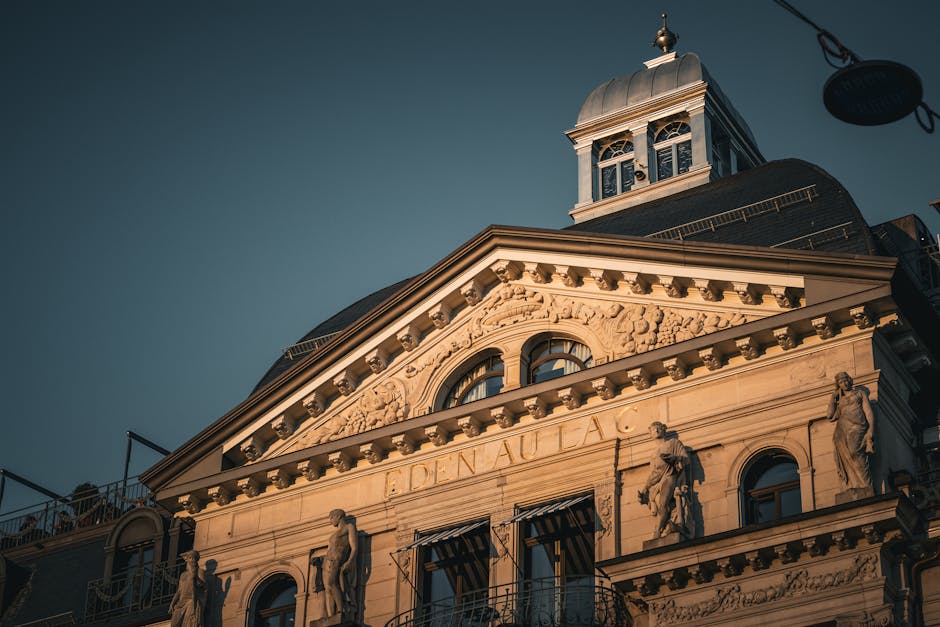
Lake Maggiore, straddling the border between Lombardy and Piedmont, has for centuries drawn aristocrats, artists and travelers seeking sumptuous backdrops. For any photographer — hobbyist or pro — a baroque photowalk on Lake Maggiore is a golden opportunity: ornate architecture, structured gardens, sculpted façades and water vistas that multiply visual possibilities. The baroque here isn’t a frozen style: it’s alive in the Borromeo palaces, age-old churches and shoreline villas that constantly play with the lake’s shifting light.
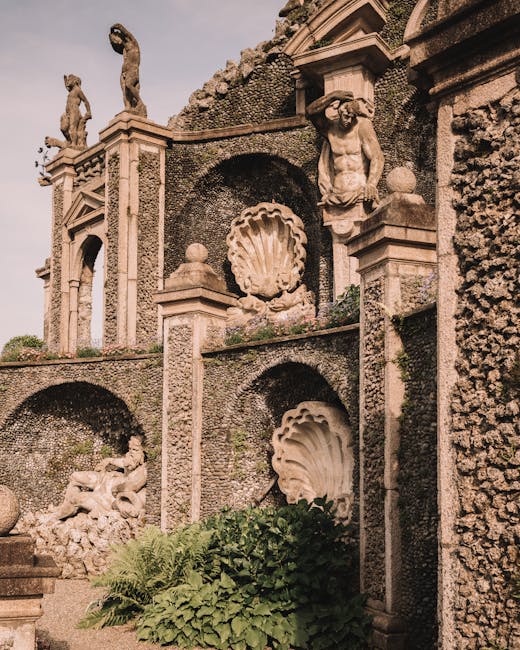
This kind of photo stroll needs some prep. It’s not just about pointing and shooting: baroque ornamentation — stuccoes, statues, axial perspectives, and dramatic light-and-shadow — calls for considered technical and artistic choices. Think managing highlights and shadows cast by cornices, using vanishing lines of terraced gardens, or zeroing in on details (mascarons, cartouches, cherubs) that tell the place’s story. The goal of this guide is to give you practical tips you can use on the ground at Lake Maggiore: where to go (full names and addresses), when to go (hours and seasons), how much to budget (entry fees), and how to frame and set your camera to best capture the baroque spirit.
We’ll explore key spots: Palazzo Borromeo on Isola Bella, Giardino Botanico Villa Taranto in Verbania, Villa Pallavicino in Stresa, and the Basilica di San Vittore in Verbania-Intra. For each site you’ll find an immersive description, practical details (exact address, opening hours and prices in euros), plus composition tips, recommended lenses and accessories. Local tips — like hopping between the Borromean islands by boat, avoiding crowds in high season or making the most of golden hours — will help you squeeze the most out of your shoot and walk away with refined, authentic baroque images.
Preparing Your Photowalk: Route, Gear and Timing
A successful baroque photowalk starts before you reach the lake: plan a realistic route and prioritize spots based on light and opening hours. For a day focused on baroque sights at Lake Maggiore, I recommend an early start in Verbania (Verbania-Pallanza) and then work your way up to Stresa and the Borromean islands. One practical route: Verbania — Giardino Botanico Villa Taranto — boat to Isola Bella (Palazzo Borromeo) — Isola Madre (Botanical Garden) — return via Villa Pallavicino in Stresa.
Recommended gear:
- Camera: a stable DSLR or mirrorless body with good dynamic range.
- Lenses: a 16–35mm wide-angle for façades and garden perspectives, a 24–70mm for all-around versatility, and a 70–200mm telephoto to isolate sculpted details and subjects.
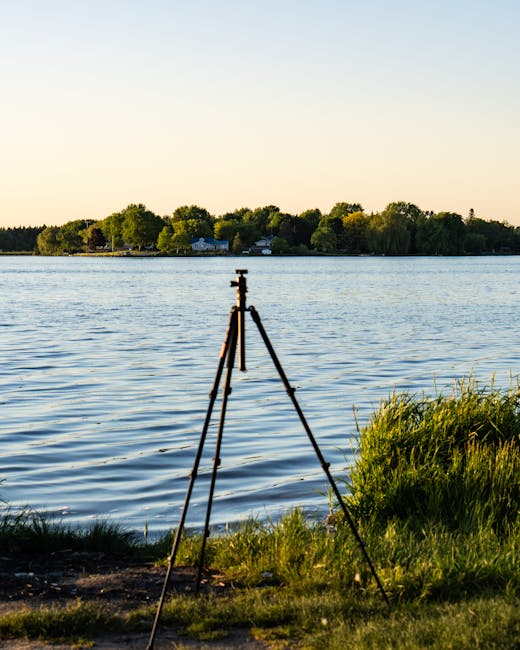
- Compact tripod: essential for long exposures at dawn or dusk, especially to capture smooth water reflections.
- Filters: a polarizer to deepen the lake’s blue and tame reflections; graduated ND filters to balance bright skies with darker foregrounds.
- Accessories: spare battery, fast memory cards, microfiber cloth and a lightweight rain cover.
Timing and light: for baroque subjects, the soft hours of morning (roughly 07:00–10:00) and evening (around 17:30–20:30 depending on season) are ideal. Oblique light brings out the relief in sculptures and reveals depth in terraced gardens. In the middle of the day favor details — bas-reliefs, staircases, balustrades — or embrace backlighting for dramatic silhouettes.
Logistics tips: pre-book tickets for Palazzo Borromeo (Isola Bella) and Villa Taranto during high season (April–October). Carry euros for small purchases: coffee, boat tickets or local guides. Main parking areas include Largo Zano in Stresa (Piazza Marconi near the train station) and the lakefront car park in Verbania-Pallanza; whenever possible, prefer boat transport: Società Navigazione Lago Maggiore runs regular services between Stresa, Baveno, Verbania and the Borromean islands.
Palazzo Borromeo and Isola Bella: Baroque Drama on the Water
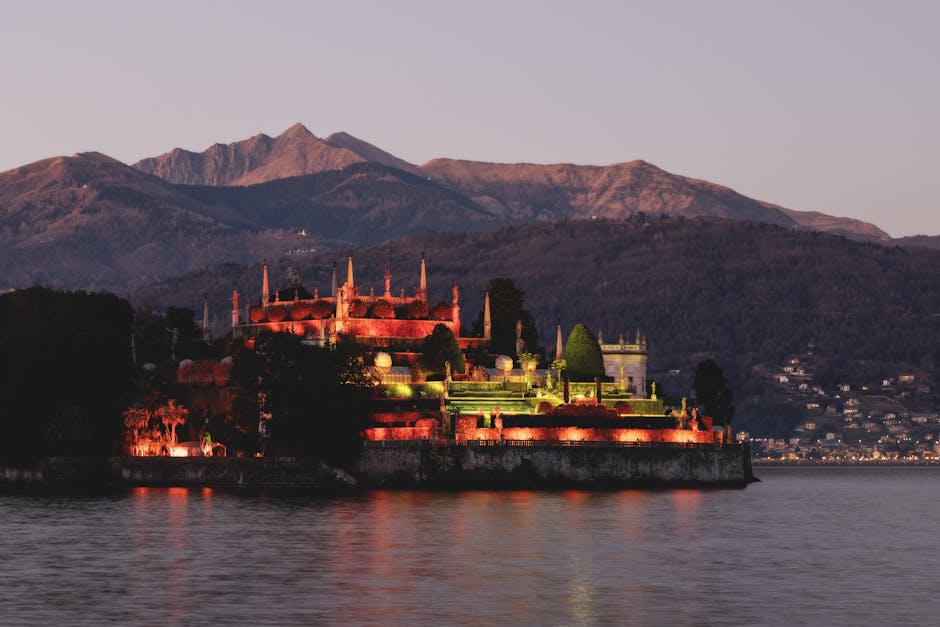
Palazzo Borromeo on Isola Bella is the epitome of lakefront baroque. Address: Isola Bella, 28838 Stresa VB, Italy. The palace and its terraced baroque gardens are framed by tall balustrades, axial staircases and mythological statuary; the whole composition is perfect for show-stopping shots. Opening hours (subject to season): typically 09:00–17:30 from April to October, closed some winter days; combined palace-and-garden tickets around €16. Guided tours in English and Italian are often available.
On-site photo tips:
- Approach by boat: arrive from Stresa with a viewpoint that lets the palace stand out against the lake to capture symmetry and reflections. The arrival quay often gives your first sweeping panorama.
- Framing and perspective: use a wide-angle to encompass the terraced gardens, but switch to longer focal lengths to isolate sculptures and statue groups. Hunt for vanishing lines created by paths and stair railings.
- Baroque details: focus on mascarons, cartouches and wrought-iron lanterns. Wider apertures (f/2.8–f/5.6) separate a detail from the lake behind, while smaller apertures (f/8–f/16) ensure deep focus across garden scenes.
- Best moments: sunrise for soft tones on the stone, late afternoon for long shadows that sculpt forms, and foggy conditions for a theatrical, mysterious mood.
Local practicalities: there are food spots and restrooms on the island; bring water and a windbreaker if the lake breeze picks up. Professional photographers planning tripod setups or commercial shoots should contact Palazzo Borromeo management in advance to obtain permission.
Giardino Botanico Villa Taranto and Villa Pallavicino: Baroque Gardens and Landscape Perspectives
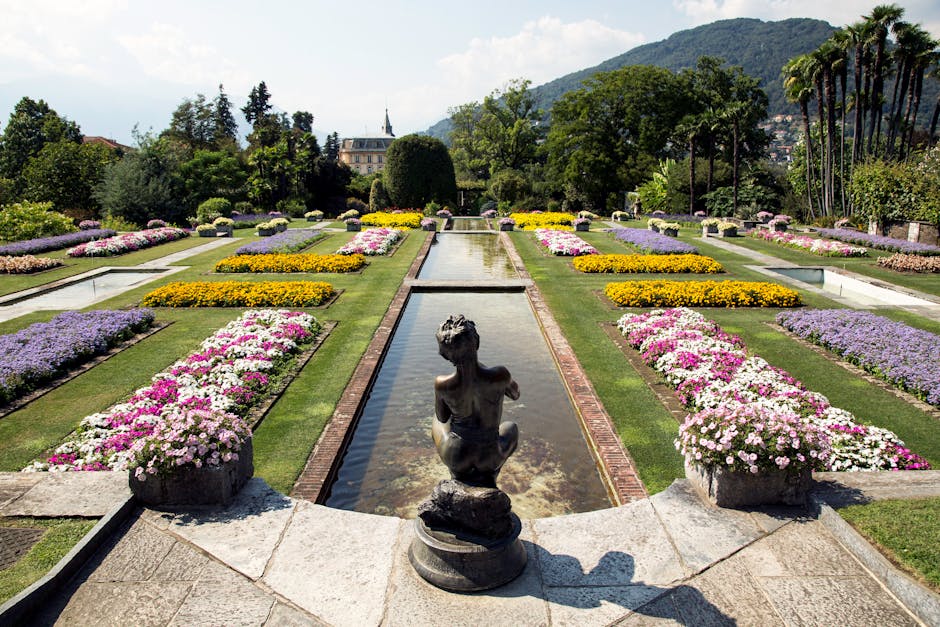
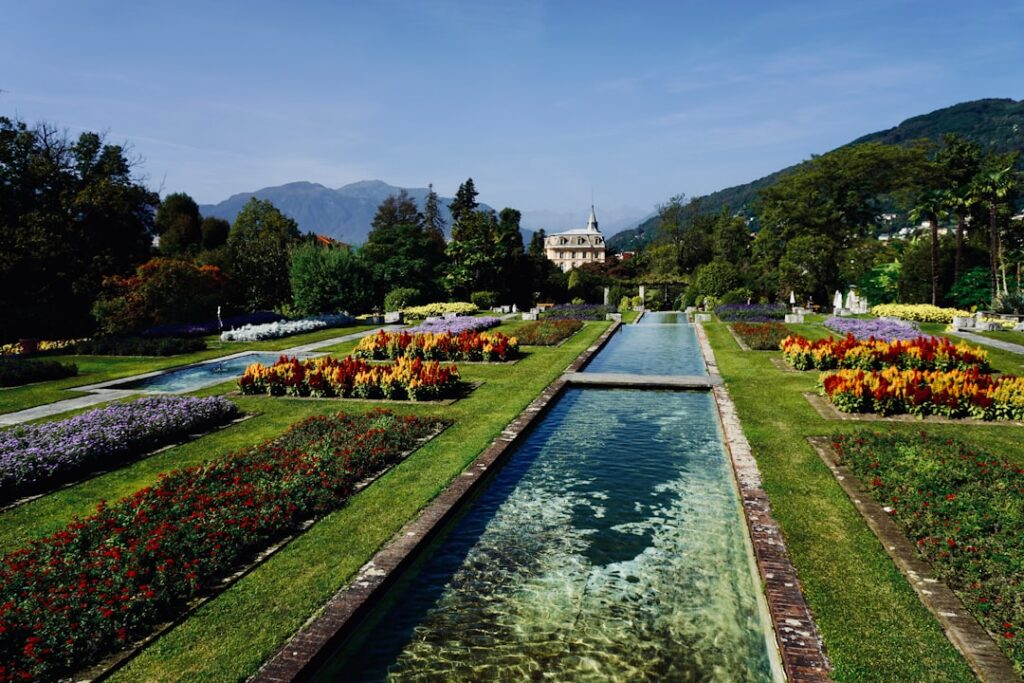
Giardino Botanico Villa Taranto — Address: Via Vittorio Veneto, 111, 28922 Verbania Pallanza VB, Italy — is a botanical garden known for its layout and floral collections. Opening (approx): March–November 09:00–18:00; entry around €12; winter closures vary. The garden pairs trimmed avenues, reflective pools and neoclassical sculptures — ideal for a photowalk focused on statuary and repeating patterns.
Photo tips for Villa Taranto:
- Symmetrical compositions: align shots along main avenues to exploit topiary repetition and pools, giving a landscape treatment with almost baroque rigor.
- Manual focus: for close-ups of rare plants, switch to manual focus and shallow depth of field to isolate texture and color.
- Reflections and water: on ponds, a polarizer can boost saturation and either reveal or suppress reflections depending on the effect you want.
Villa Pallavicino (Parco Villa Pallavicino) — Address: Via Gignese, 4, 28838 Stresa VB, Italy — is a historic park with animals, gardens and plunging lake views. Opening (approx): 10:00–18:00 in season; entry around €10. This park offers a more informal take on the baroque: belvederes, romantic statues and terraced gardens that let you mix nature and architecture in your frames.
Local practical advice:
- Transport: from Verbania-Pallanza station take a local bus or taxi to Villa Taranto. From Stresa the lakeside promenade leads to Villa Pallavicino if you prefer to walk.
- Food: both sites have kiosks and cafés, but bring a snack for longer sessions.
- Respect the site: don’t touch rare plants, obey « no tripods » signs where posted, and be discreet when shooting models so you don’t disturb other visitors.
Basilica di San Vittore and Other Baroque Churches: Capturing the Spiritual Side
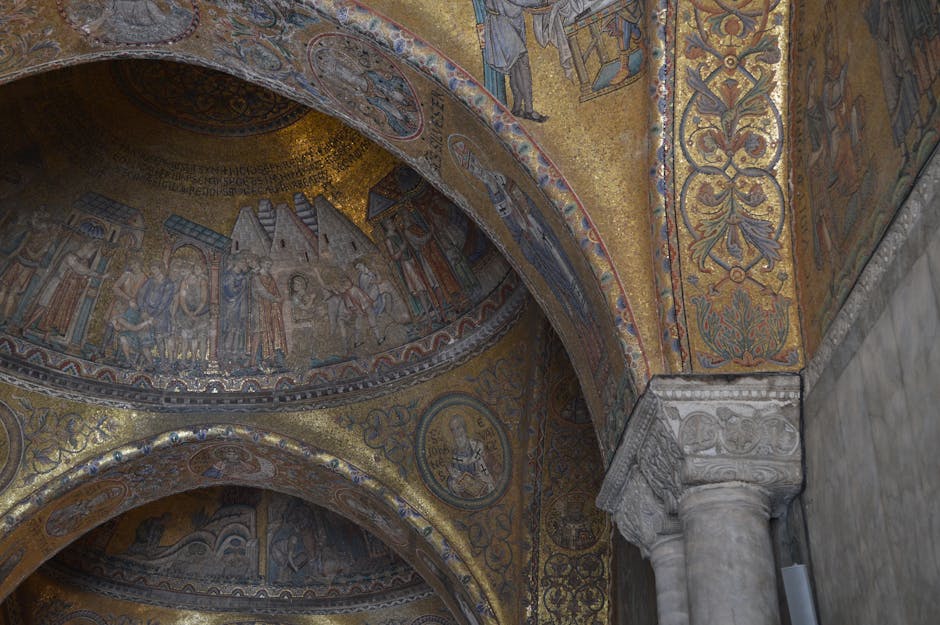
The Basilica di San Vittore sits in Verbania-Intra on Piazza Garibaldi (Piazza Garibaldi, 28922 Verbania VB, Italy). With its altarpieces and stuccoes, it’s a striking example where baroque exuberance meets Piedmontese restraint. Opening hours (approx): usually open for Masses and visits between 08:00–12:00 and 15:00–19:00; free entry though donations (suggested €1–3) are appreciated. In the area you’ll also find Santa Maria Assunta in Stresa (Piazza San Gottardo, 1, 28838 Stresa VB) and San Ambrogio in Pallanza.
Tips for shooting inside baroque churches:
- Respect and discretion: dress appropriately, use silent mode on your camera, and avoid flash while people are praying. Always ask permission for close-ups of artworks or for commercial use.
- Stabilization: a small tabletop tripod or discreet monopod is useful in low light; otherwise raise ISO modestly while watching for noise.
- White balance: set white balance manually to preserve the warm tones of gilding and aged wood.
- Spiritual compositions: look for viewpoints that layer architectural elements (arches, columns, altars) to create frames within frames, enhancing depth and intimacy.
Practical note: Sunday Mass schedules vary; check posted times at the entrance. For photos without visitors, favor weekday mornings. Some churches host sacred music concerts — attending a sung Mass can provide unique chances to capture the sound-and-light atmosphere of the baroque.
Advanced Tips: Post-Processing, Rights and Selling Your Work
After your photowalk, post-processing is what gives your baroque shots their final punch. Adopt a workflow that preserves architectural texture without crushing detail. Key adjustments:
- Tone curve: lift shadows slightly to recover sculptural recesses and pull down highlights to protect detail in pale stones.
- Clarity and texture: increase clarity moderately to emphasize reliefs, and tweak texture to bring out stucco and patina.
- Colors: use selective saturation — warm up ochres and golds a touch, and boost the lake’s blue carefully to keep results natural.
Rights and commercialization: if you plan to use images commercially (sales, paid exhibitions, publications), check rules at the sites you visited. Private palaces and gardens like Palazzo Borromeo sometimes restrict image use. For shots with identifiable people, get written releases. Local art markets and galleries in Verbania or Stresa can be venues to sell prints — ask about entry fees and recommended formats.
Practical networking tips:
- Meet local guides: historical guides can point out hidden angles and provide context that enriches your captions.
- Join local photo workshops: regional photographers sometimes run outings focused specifically on the lake’s baroque themes.
- Archive your data: keep EXIF metadata intact, note exact locations (GPS if possible), light conditions and settings so you can reproduce a look on future shoots.
Conclusion: Lake Maggiore as a Baroque Playground Between Heritage and Creativity
A baroque photowalk on Lake Maggiore blends heritage, nature and photographic technique. From Isola Bella’s sculpted terraces to the flowering avenues of Giardino Botanico Villa Taranto and the spiritual perspectives of Basilica di San Vittore, each location offers a palette of forms and lights perfect for visual storytelling. Preparation — gear, timing, route — will largely determine your image quality, but the photographer’s sensibility and willingness to engage with the place make the biggest difference. The tips here are meant to give you concrete keys: how to frame, when to visit, which settings to favor and how to handle practical matters (addresses, hours, prices).
Remember: respecting heritage is essential — monuments and gardens survive thanks to conservation and considerate visitors. Be discreet, follow local rules and support sites by paying entry fees or joining guided tours. And let yourself be surprised: baroque beauty often shows up in unexpected details — an oddly formed putto, a moss-covered balustrade, the lacy reflection of a cloud on the water — which will become the signatures of your images. Leave with a coherent series, caption your photos precisely (location, date, time, conditions) and, if you like, share your best shots with the local community to help shine a light on Lake Maggiore’s heritage.