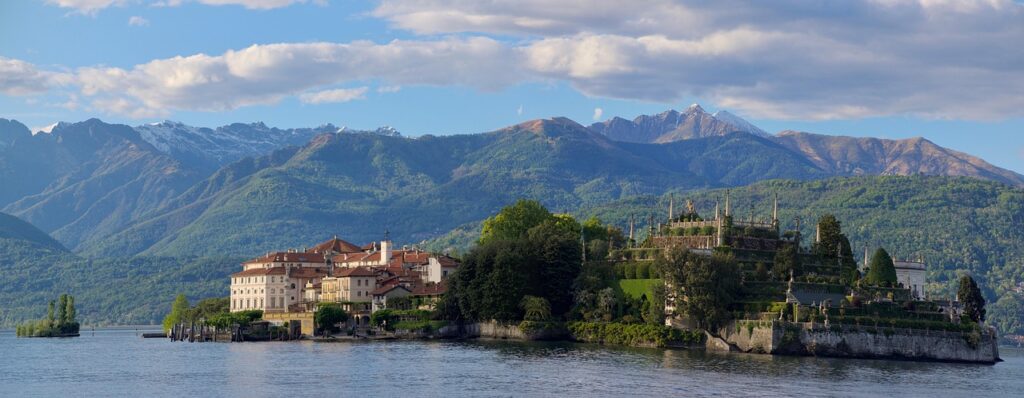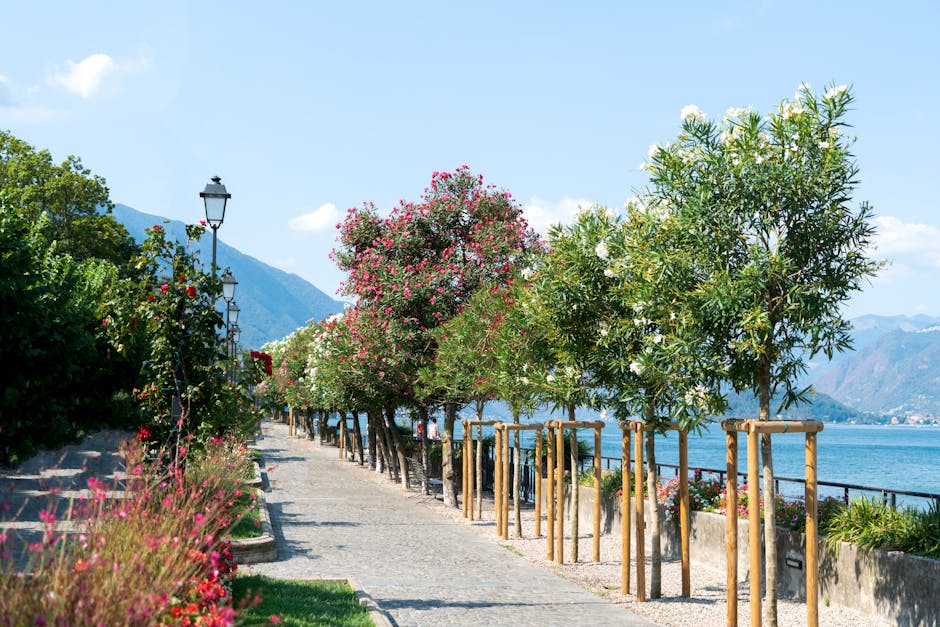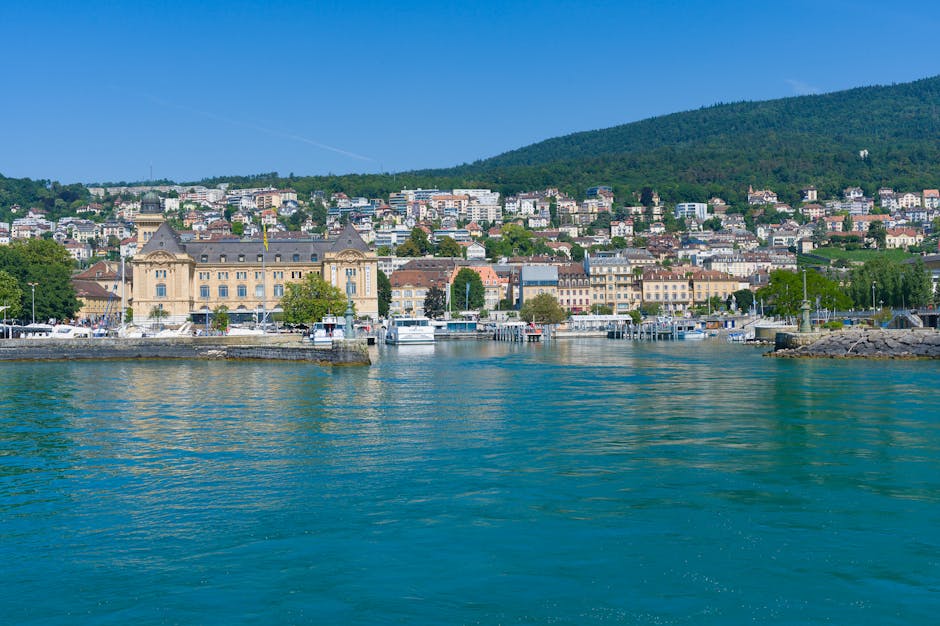






Introduction: Citadels and Fortresses around Lake Maggiore — guardians of water and history
Lake Maggiore (Lago Maggiore) stretches between Piedmont, Lombardy and the Swiss canton of Ticino. Its shores, dotted with elegant towns, subtropical gardens and picturesque islands, are also studded with citadels, fortresses and castles that tell a thousand years of military, political and cultural history. Built to protect trade routes, ports and borders, these structures now offer visitors spectacular views, museums, gardens and immersive routes that show how the lake’s geography shaped local defense strategies.
This general guide will take you through the main fortified sites that watch over Lake Maggiore. It compiles locations, precise addresses, practical information (opening hours, prices in euros), architectural descriptions and local tips to help you get the most from each visit. Whether you’re into military history, a photographer chasing dramatic vistas, a curious traveler or a family wanting a mix of history and strolls, you’ll find concrete itineraries and recommendations here.
We’ll cover well-preserved castles, fortified palaces that became princely residences, and picturesque ruins that literally tumble into the lake. Each site is set in context: why it was built here, what strategic role it played, and how it presents itself today. The guide also offers handy tips — best times for photos, access by boat or car, combined tickets, and little local secrets (where to park, which café to favor after a visit, nearby hiking paths).
Before you go, note that some Lake Maggiore sites have seasonal opening hours and prices that vary by period (high season: April–September; low season: October–March). The information here is indicative and should be checked on official sites or with local tourist offices before you travel. That said, armed with this guide you’ll be ready to map out a loop rich in lakeside panoramas and historic stone — from medieval ramparts to baroque palaces that turned strongholds into places of leisure.
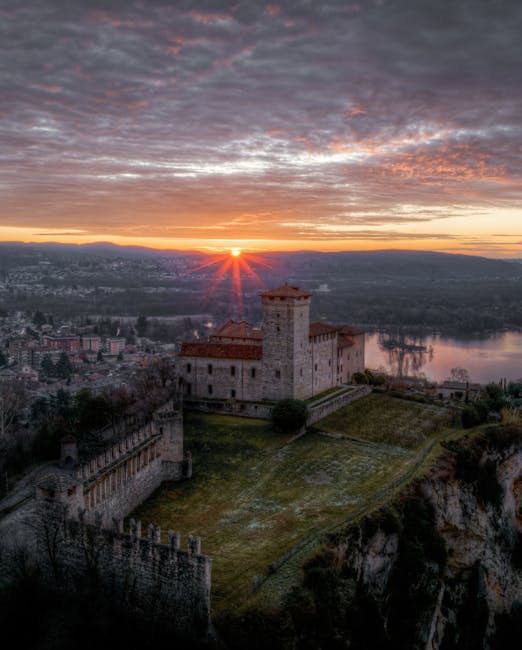
Rocca Borromeo di Angera — the dominating fortress on the Lombardy shore
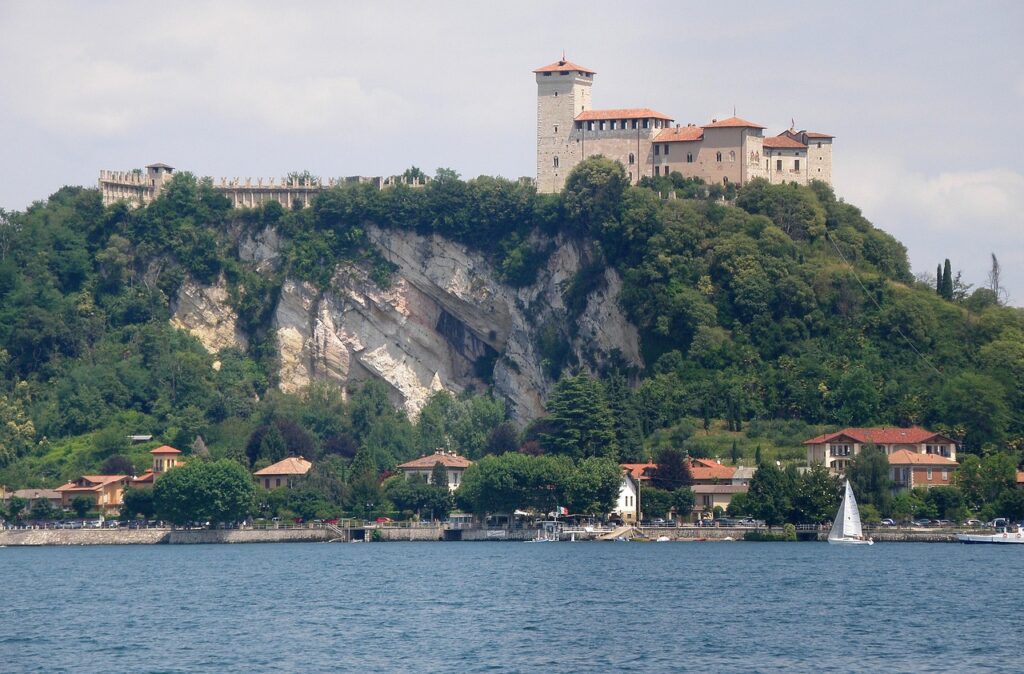
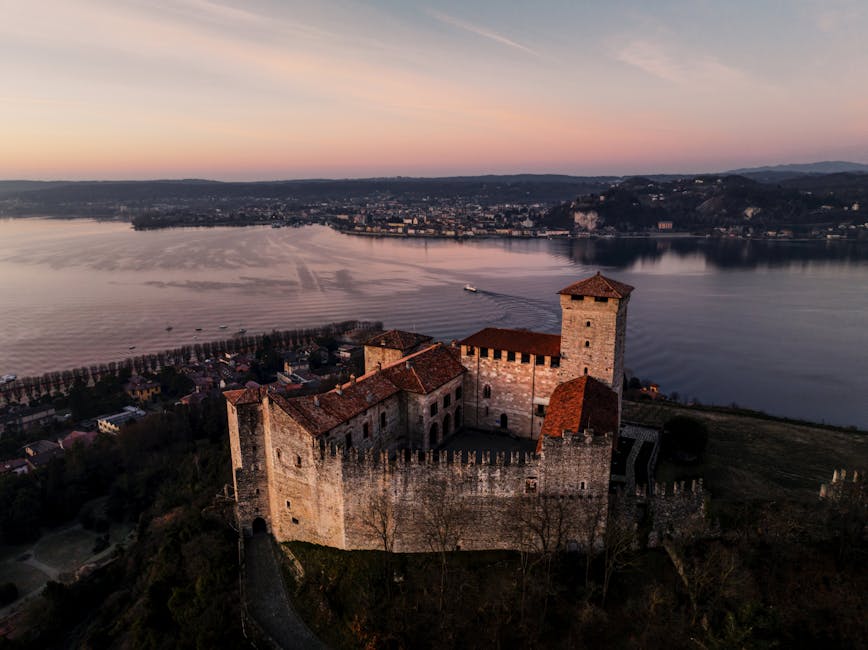
Rocca Borromeo di Angera is one of the most visible monuments from the lake’s southern shore. Perched on a hill overlooking the town of Angera, this medieval fortress offers a deep dive into the Borromeo dynasty and the defense of lake routes. Full address: Rocca Borromeo di Angera, Via Rocca 1, 21021 Angera VA, Italia. The fortress towers above the village and is visible from the ferries that link the lake’s shores.
Hours and prices (indicative): open daily from April to October 9:00–18:30 (last admission 17:45); reduced hours from November to March, often 10:00–16:00 (check before you go). Prices: adult ticket around €8.00; reduced (students/over 65) around €6.00; free for children under 6. The visit includes access to the ramparts, the dolls and toys museum (unique), the historic rooms and panoramic terraces.
Immersive description: the Rocca mixes raw military architecture (keeps, curtain walls, arrow slits) with richly decorated spaces left by noble refurbishments. A progressive climb leads from the drawbridge to the lower halls and up to the keep, where the view over the Borromean Islands, Stresa and the Alps is spectacular. Exposed stone, medieval staircases and defensive features such as machicolations and the chemin de ronde tell of tensions between lordships and lakeside towns from the 13th to the 15th centuries.
Local tips: favor late afternoon for the soft light that highlights the façade and the islands; wear sturdy shoes for uneven cobbles; combine the visit with a boat crossing to the Borromean Islands (boarding at Angera port); in the village, try the local pasticcini at a bakery near Piazza Garibaldi after your visit.
Isola Bella and Palazzo Borromeo — where residence meets fortification
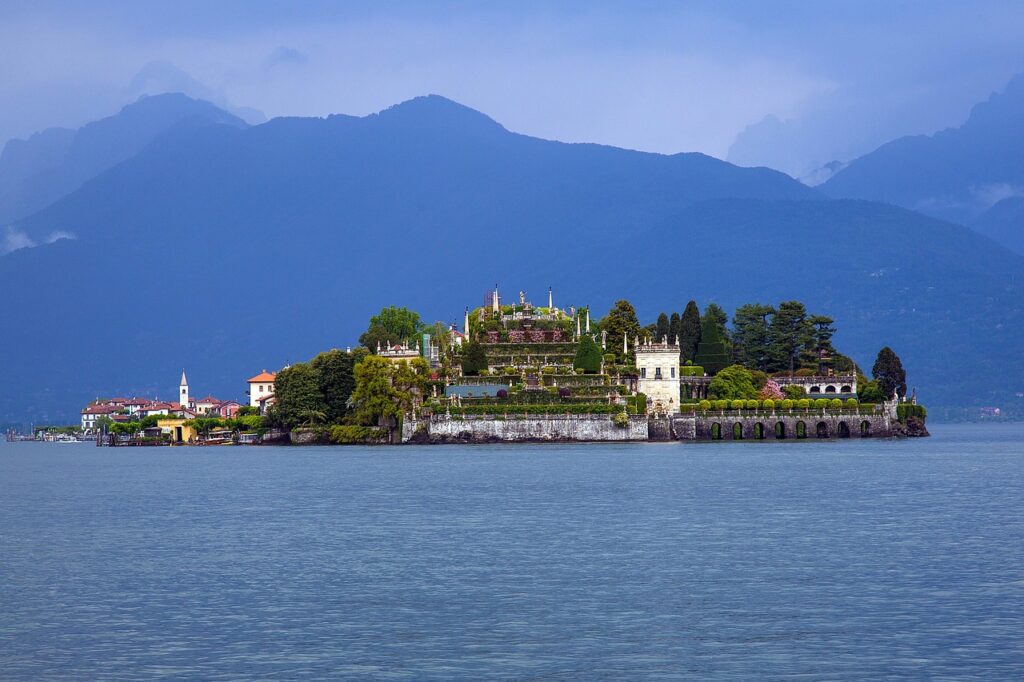
Isola Bella, one of the famous Isole Borromee, is often seen more as a palace-garden than a fortress. Yet Palazzo Borromeo on Isola Bella (address: Isola Bella, 28838 Stresa VB, Italia) retains defensive structures integrated into a princely residence transformed in the 17th–18th centuries. The palace and terraced gardens offer a full visit combining art, history and sweeping views.
Hours and prices (indicative): high season (April–October) generally 09:00–18:30; reduced hours in low season. Combined “Palace + Gardens” ticket adult around €17.00; reduced €12.00; free for children <6 years. Separate tickets exist for gardens or palace; ferry + entry bundles are often available from local operators (Stresa, Laveno and Verbania).
Description: Palazzo Borromeo opens onto a suite of salons decorated with tapestries, period furniture and art collections, while outside unveils a triumph of topiary, baroque statues and terraces stepping down toward the lake. Defensive elements are noticeable in the island’s compact layout — the enclosure, rocky escarpments and quays also served to control boats and maritime access. From the belvederes you can read the old strategy: visual dominance of the lake, monitoring of currents and protection of aristocratic privileges.
Practical tips: depart from Stresa (porto di Stresa, Piazza Marconi) early to avoid crowds; buy the combined boat + entry ticket to save time; allow 2–3 hours for the palace and gardens; the climb to the terraces can be steep — strollers are difficult to manage. After the visit, hop across by boat to Isola dei Pescatori for a lakeside fish lunch.
Isola Madre — botanical fortifications and the feel of a living conservatory
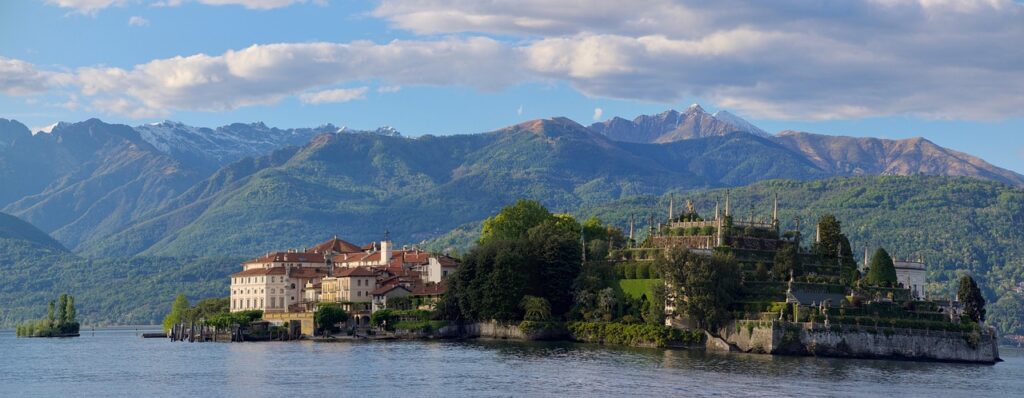
A short hop from Isola Bella, Isola Madre (Isola Madre, 28838 Stresa VB, Italia) is the largest of the Borromean islands. Less “palatial” than its neighbor, it’s characterized by vast botanical gardens laid out in a setting that still preserves remains of defensive structures and former garrison houses turned into leisure spaces.
Hours and prices (indicative): often open in the same periods as Isola Bella; combined tickets “Isola Madre + Isola Bella + Isola dei Pescatori” are available through navigation companies (combined adult prices around €20–25 depending on season). Single entry to Isola Madre (gardens) around €10–12. Hours mostly 09:00–18:00 in season.
Immersive description: the island’s profile, cloaked in cedars, magnolias, camellias and palms, hides old outbuildings and retaining walls that once formed part of the Borromeo defensive and logistical system. The gardens wind along sinuous paths, revealing belvederes, statues and small constructions that hint at the island’s mixed uses — pleasure and guard posts. The calm that rules the island contrasts with the martial function it once served: observation posts, boat relays and surveillance batteries.
Local tips: plant lovers should visit in spring (April–May) for magnolia blooms; bring a plant-identification guide — there are plaques but a guided tour highlights the spirit of the Baroque gardener; take sunscreen in spring–summer as belvederes offer little shade; for photographers, morning light creates soft shadows and a photogenic lake mist.
Castelli di Cannero — dramatic ruins at water level
On the northern shore of Lake Maggiore, at Cannero Riviera, stand the famous Castelli di Cannero: three ruined medieval towers on rocks jutting from the lake. They form one of the most romantic and melancholic images of the basin. Location: Castelli di Cannero, Cannero Riviera, 28821 Cannero Riviera VB, Italia (visible from the promenade and local boats).
Access and prices: the ruins are not prepared for interior visits, but several companies offer boat tours from Cannero Riviera (porto di Cannero Riviera, Piazza della Chiesa) and Verbania. Local boat fares to admire the castles from the lake: panoramic trips about €10–15 per person (duration 20–60 minutes depending on the route). No official access inside the ruins, so no entrance fee applies.
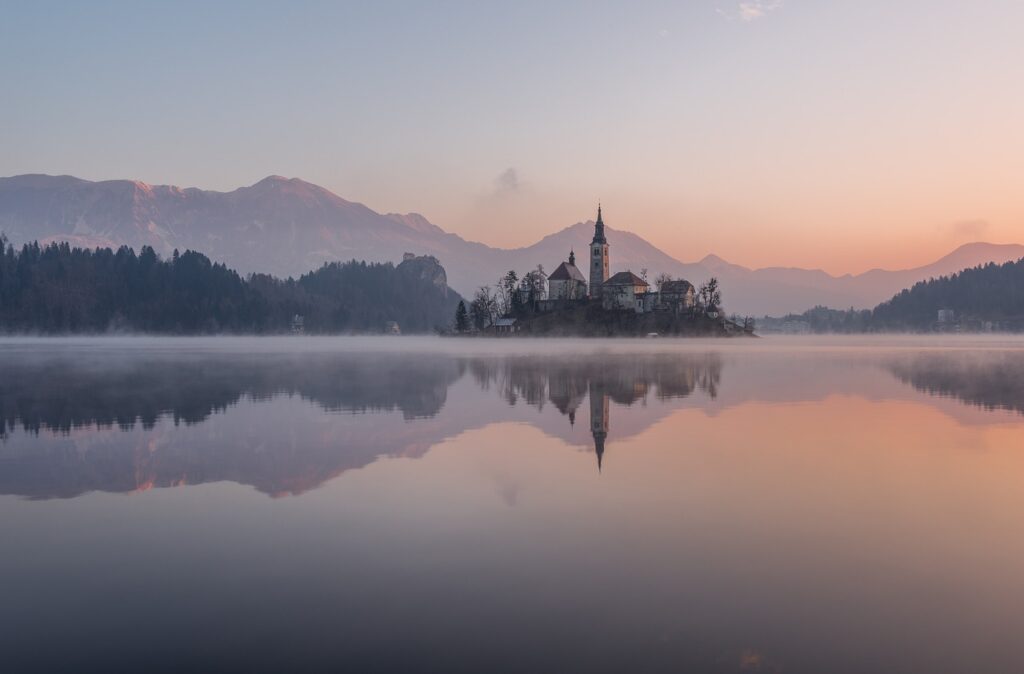
Immersive description: these towers, partly collapsed, rise like dark teeth out of the water. Their ruined state tells of destructive sieges and local legends: refuge of rebellious lords, stronghold of lake pirates and a stage for clashes between noble families. The surrounding waters are often calm, reflecting the crumbling walls and creating dramatic compositions perfect for sunset photography.
Local tips: favor a boat to view the castles up close — from Cannero Riviera’s lakeside promenade (Lungolago) several jetties offer tours. Warning: accessing the rock is dangerous; respect barriers and safety instructions. For a higher viewpoint, walk up to the village belvedere (Via Belvedere); bring binoculars to observe tower details and look for informational panels along the promenade that tell the story in Italian and English.
Rocca di Arona — sentinel of the Gulf of Arona
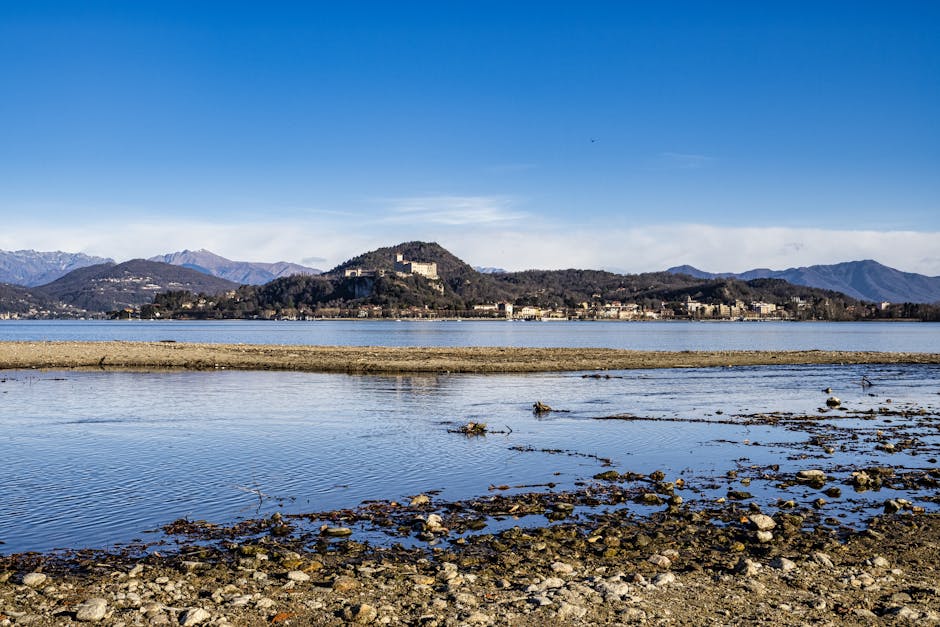
Rocca di Arona, also called Rocca Borromea di Arona, overlooks the town of Arona and the wide bay that opens onto the plain. Although partially ruined, the remains are significant for understanding control of lake routes and Arona’s role as a strategic point. Address: Rocca di Arona, Via Rocca, 1, 28041 Arona NO, Italia (the site sits on the hill above the old town).
Hours and access: the site is often freely accessible during the day (07:00–19:00 depending on season), with much of the remains outdoors. There is no large museum structure on site; some routes are free. Prices: generally free for outdoor access; a few small temporary exhibitions may request a modest donation or token ticket (€2–5) organized by the Comune di Arona.
Immersive description: the climb to the Rocca follows trails winding among pines and olive trees; crenellated walls and foundations suggest the former fortified perimeter. From the belvedere the panorama sweeps across the Gulf of Arona to the Alps, and the imposing statue of Sancarlone (statua di San Carlo Borromeo, Piazza San Carlo) sits nearby, offering a religious and military juxtaposition in the landscape. The experience is as much scenic as archaeological.
Practical tips: pair the visit with a climb to the Sancarlone statue (Piazza San Carlo, 28041 Arona NO) for a different vantage; trails can be steep — wear appropriate shoes; bring water and a hat in summer. For photographers, morning light reduces glare on the lake and reveals stone textures.
Castello Visconteo di Locarno — Ticino’s lakeside stronghold
On the northern shore of Lake Maggiore, on the Swiss side, Locarno is home to the Castello Visconteo, a former medieval castle turned cultural center and museum. Location: Castello Visconteo di Locarno, Via Alle Mura 8, 6600 Locarno, Switzerland. The castle provides a Swiss perspective on lake defense, with careful conservation and historical exhibits.
Hours and prices (indicative): the Castello hosts temporary and permanent exhibitions — hours often 10:00–17:00, closed some days (check the official Comune di Locarno site). Prices vary by exhibition; a standard museum ticket around CHF 8–12 (equivalent in euros depending on exchange). Locarno tourist offices (Via Borgo, 6600 Locarno) can advise on combined tickets with other local attractions.
Description: the fortification shows successive reworkings: guard towers, vaulted rooms and terraces offering a strategic view over Locarno’s bay. The castle often hosts art exhibitions and cultural events, linking its defensive past to contemporary life. The time-worn walls are a good example of how a historic monument integrates into the urban fabric.
Local tips: combine the visit with a stroll on Locarno’s Piazza Grande and a short funicular or bus ride for higher views; favor late morning to avoid temporary exhibitions closing in the evening. Tourist offices provide detailed maps of the city’s historic circuits.
Conclusion: touring Lake Maggiore’s fortresses — strategy, light and landscape
The fortresses, citadels and palaces of Lake Maggiore form a narrative network that links geography, power and art. From Rocca Borromeo di Angera to the palace on Isola Bella, from the picturesque ruins of Cannero to the ramparts of Rocca di Arona and the Castello Visconteo di Locarno, each site offers a distinct experience: strategic observation, botanical strolls, architectural heritage, museums and panoramas. Visiting these places follows the lines of force that shape the lake — high points for surveillance, islands for control of maritime routes and shores for logistics and economy.
Final practical tips: always check opening hours and prices on official sites (tourist offices of Verbano-Cusio-Ossola, local municipalities or dedicated Borromeo pages); consider buying combined boat + entry tickets to save time; favor less busy hours (early morning or late afternoon) to enjoy the light and a more intimate atmosphere; bring comfortable shoes and a light jacket as the lake breeze can cool things down even in summer. For photographers, the golden hour at sunset brings out the stones and water; panoramas from keeps and belvederes create incredible compositions with the islands and Alps in the background.
Finally, give yourself time to explore: combining a day on the Borromean Islands with a half-day in Angera and a stroll in Cannero balances museums, nature and scenery. Locals appreciate respectful visitors (don’t climb the ruins, follow signs in botanical gardens) and are often happy to share anecdotes and local traditions — don’t hesitate to ask guides and tourist office staff about guided tours, audioguides and special events (historical reenactments, concerts in the gardens, temporary exhibitions).
This guide puts you on the trail of the lake’s guardians through the ages. Now it’s your turn to plan the route: stone, water, light and stories await on the shores of Lake Maggiore.