




Introduction: Forgotten villages around Lake Maggiore — why explore these secret hamlets
Lake Maggiore, stretched between Italy’s northern lake district and Switzerland, isn’t just about lavish islands and well-known seaside resorts. Between the sparkling shores and green hills lie discreet hamlets — villages overlooked by mass tourism where time seems to stand still. This guide will take you to these hidden spots, describe their narrow lanes, small churches, intimate lakeside scenes and, importantly, provide practical information (exact addresses, opening times, prices) so you can plan your own explorations.
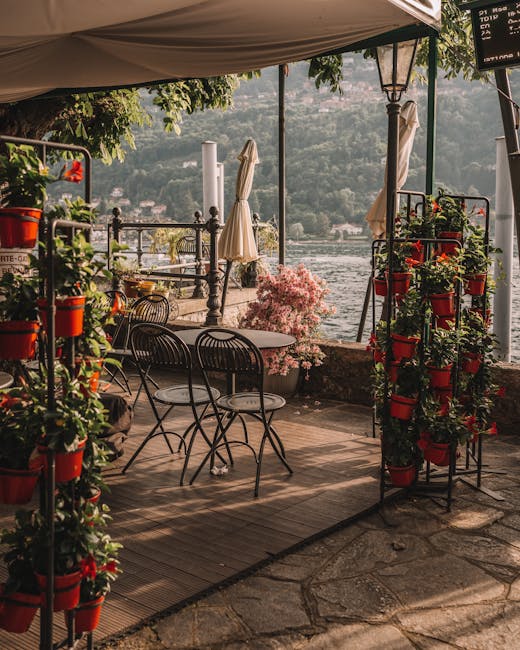
The hamlets around Lake Maggiore offer a different way to experience the area: dawn strolls along empty quays, espresso on terraces served by familiar faces, flower-bedecked balconies overlooking little-visited coves. You’ll find living local traditions — farmers’ fairs, basket-weaving workshops, small family-run trattorie serving lake fish with regional wines. The mule tracks linking the hamlets are often well maintained and provide surprisingly beautiful panoramas, with sweeping views of the Borromean Islands and the pre-Alpine hinterland.
This guide keeps an informative, professional tone: each stop is described precisely — address, opening hours when a site or business is concerned, prices in euros for museum visits, cable cars or lunch at recommended trattorie. You’ll also find local tips: what shoes to favor, how to avoid peak times, which products make authentic souvenirs. The twin aims are to help curious travelers build a realistic itinerary and to offer keys for a respectful immersion into these fragile communities.
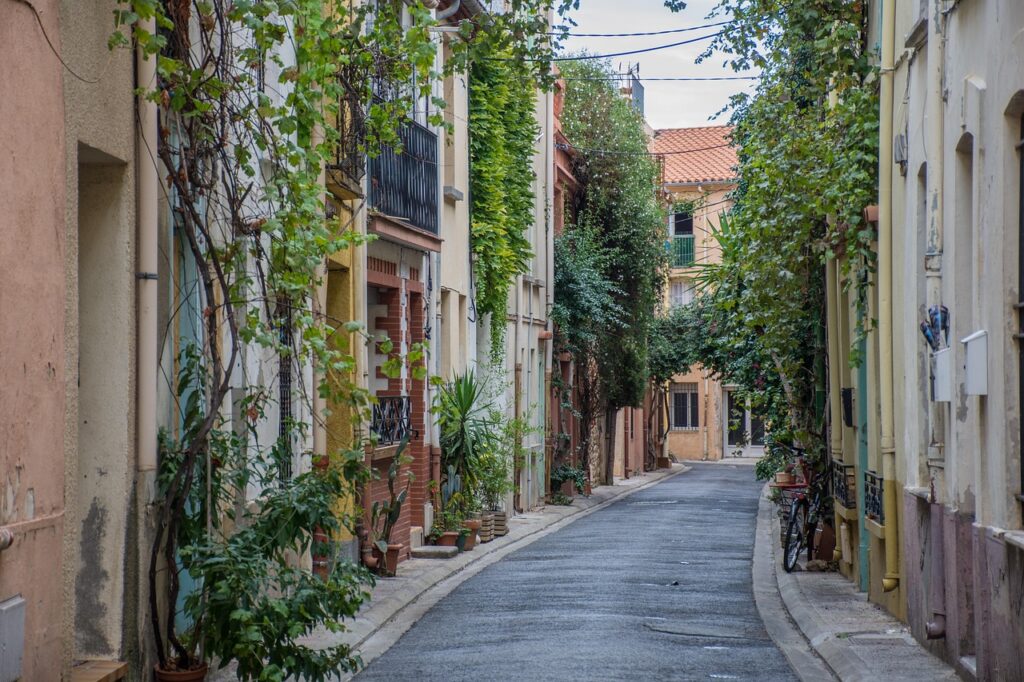
The hamlets featured cover both shores of the lake, from towns on the Piedmont side to communities on the Lombardy shore and even a few rare incursions into Swiss banks. They’re reachable by car, local boat, or on foot via lesser-known valley trails. Some stretches of road are narrow; patience and caution are essential. We list commonly observed prices (ferries, museums, local attractions) and give exact addresses (street, postal code, municipality) to help you locate places on GPS. Finally, the immersive descriptions are meant to convey the atmosphere: the sound of laundry flapping, the smell of pines, sun-warmed stones of old walls.
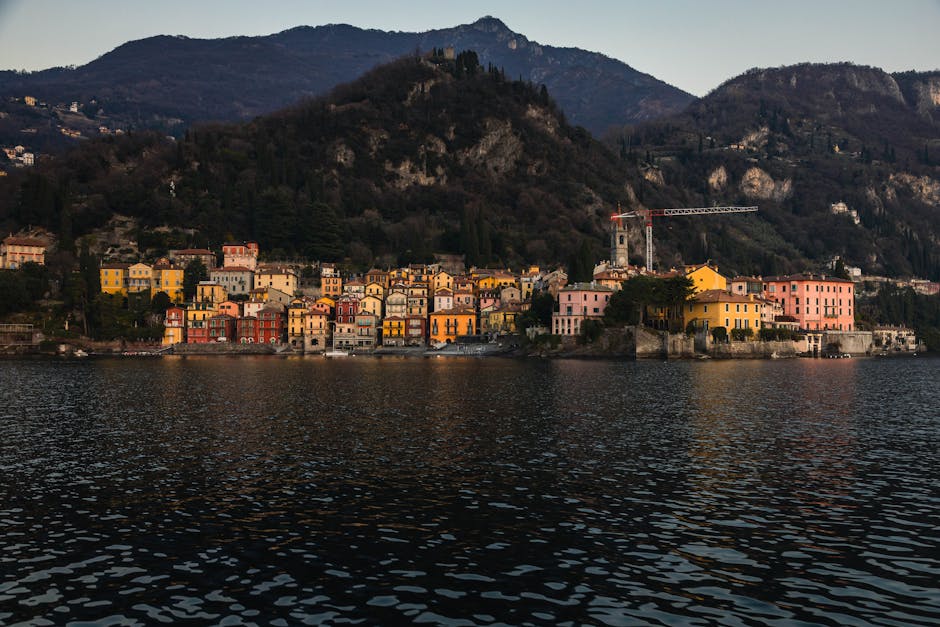
1. Cheglio (Trarego Viggiona) — the hilltop hamlet with hidden viewpoints
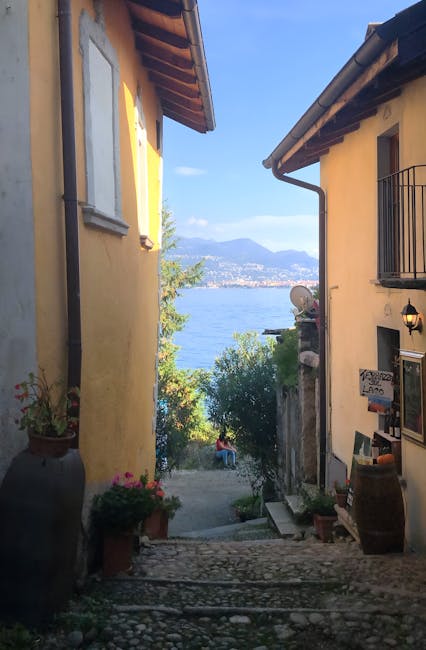
Cheglio is a very small hamlet in the municipality of Trarego Viggiona, located on the western shore of Lake Maggiore in the province of Verbano-Cusio-Ossola. Indicative address: Località Cheglio, 28824 Trarego Viggiona VB, Italy. Reachable by a winding road and then on foot via a clearly marked trail, Cheglio is known for its breathtaking views over the lake’s northern section and the Borromean Islands when you climb a little higher.
Once you arrive, you’ll find stone houses with brightly painted shutters, small shaded squares and a modest Romanesque chapel, the Oratorio di San Giacomo (Via Oratorio, Località Cheglio). The oratory is generally open during religious services: Sunday mass at 10:00 (check the local noticeboard for seasonal variations). Don’t expect a museum: this is a living village experience, with residents tending gardens and greeting visitors.
Activities and practical tips: the panoramic trail « Sentiero degli Alberi » connects Cheglio to the nearby frazione of Viggiona over about 3.2 km. Allow roughly 1h15 of walking; lightweight hiking shoes are recommended. Bring water: there are no shops regularly open all day in the hamlet. For food, Trattoria « Da Mariuccia » in Trarego (Via Roma 12, 28824 Trarego Viggiona VB, Tel. +39 0323 xxx xxx) serves simple Piedmontese dishes — mains between €10 and €18. Typical hours: 12:00–14:30 and 19:00–22:00 (closed Tuesday).
Local advice: arrive early in the morning to enjoy the silence and the soft light of sunrise on the lake; sunsets are also spectacular but the road can be narrow at night. If you visit in summer, ask locals where to pick wild blackberries along the path — they ripen in July–August and are free, provided you respect private property. Respect the village’s quiet: mass tourism is still rare here and it’s important to preserve that atmosphere.
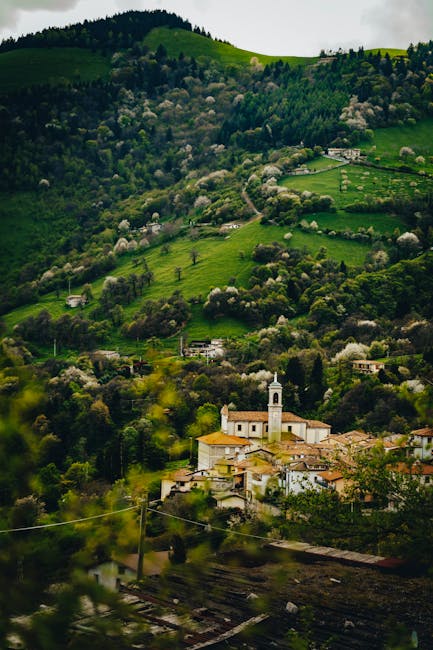
2. Corconio (Cannero Riviera) — narrow lanes, ancient mulberry trees and mysterious isles
Corconio is a picturesque hamlet of the Cannero Riviera municipality, on the lake’s northwest shore. Address: Località Corconio, 28821 Cannero Riviera VB, Italy. Less busy than Cannero Riviera’s center, Corconio offers narrow alleys, lakeside terraces and lush vegetation dominated by old mulberries and olive trees. The hamlet lies a few kilometres north of Cannero Riviera’s port (Via IV Novembre 12, 28821 Cannero Riviera VB).
What strikes you immediately is the place’s intimacy: small paved squares where you can sit and gaze at the silhouette of the Castelli di Cannero (the ruined castles on rocky islets). For a cultural touch, visit the Oratorio di San Vittore (Via Oratorio, Corconio); opening times are irregular but you can get information from Pro Loco Cannero Riviera (Piazza del Porto, 28821 Cannero Riviera VB, Tel. +39 0323 xxx xxx).
Eating and staying: accommodation in Corconio is limited but authentic. Pensione « Casa al Lago » (Via Lago 3, 28821 Corconio, Cannero Riviera) offers double rooms from €65/night in low season and €95 in high season. Breakfast included; booking by phone or email is recommended. For a meal, Trattoria « Il Pescatore » in Cannero Riviera (Via G. Matteotti 7, 28821) serves lake fish tastings: antipasti €6–€12, mains €12–€20. Hours: 12:00–14:30, 18:30–22:00 (closed Wednesday).
Must-do experiences: rent a small boat at Cannero’s harbour (hourly rental about €25–€40 depending on season) to approach the Castelli di Cannero and find coves only accessible by water. Local fishermen sometimes offer morning outings (prices vary, generally €40–€70 per person for a 2–3 hour trip). Photography and environmental respect are essential: don’t land on protected islets without permission.
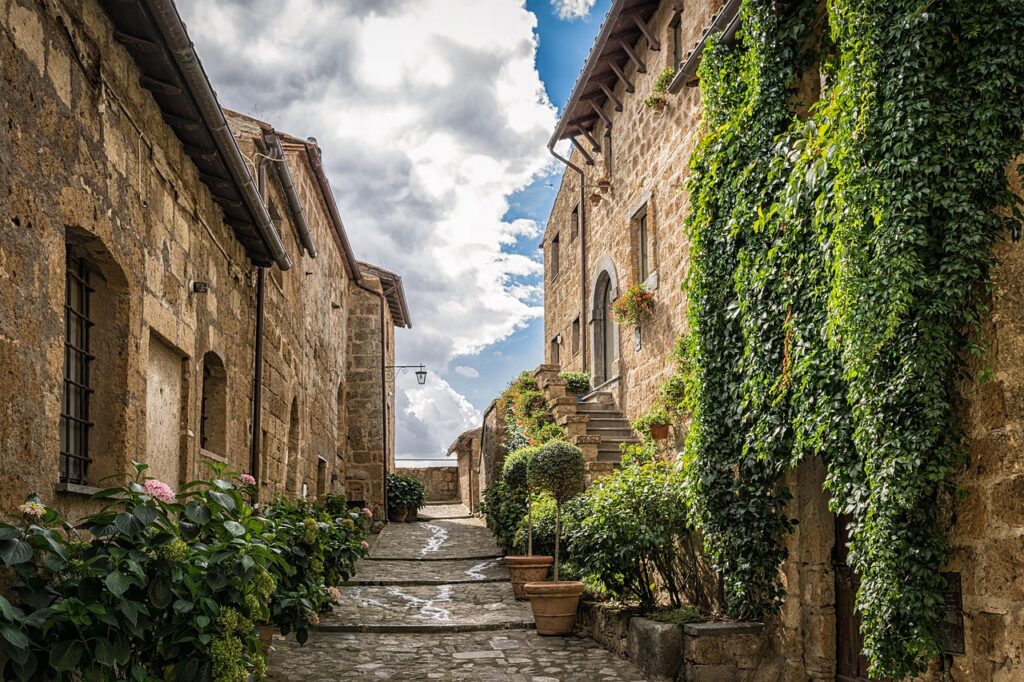
3. Cannobio — the historic lakeside and lanes close to secret corners
Cannobio is a better-known town but it borders lesser-visited hamlets at its edges. Central address: Lungolago Guglielmo Marconi, 28822 Cannobio VB, Italy. Step away from the lungolago and the main Corso and you’ll find old neighbourhoods and small frazioni like « Oltre » and « Borgo Vecchio » where artisanal traditions and family shops persist.
In Cannobio itself, the lakeside promenade is lively, especially in summer; try to go early morning or late afternoon to reach the adjacent alleys and discover weaving workshops, butchers and cheesemakers who keep local recipes alive. For crafts: the workshop « Tessitura di Cannobio » (Via Alessandro Manzoni 5, 28822 Cannobio VB) offers demonstrations by appointment. Contact: +39 0323 xxx xxx. Some demonstrations are free; private workshops may ask a small contribution of €5–€10 for a guided demo.
Visits and activities: the Basilica of Cannobio, Santuario della Pietà (Piazza della Chiesa, 28822 Cannobio VB), is open daily from 08:00 to 19:00. Entrance is free, but specialized guided tours (with a local guide) can be arranged through the tourist office (L.go Marconi 1, open 09:00–13:00 and 15:00–18:00; guided tour prices: €8–€15 per person depending on duration).
Visiting tips: in Cannobio, enjoy the local markets — the weekly market takes place Monday morning on Corso Nino Bixio and the square. You’ll find fresh produce, cheeses, cured meats and artisan breads. Prices are reasonable: mountain cheeses €12–€18/kg, country loaf €3–€5. For a simple, authentic lunch try « Osteria La Porta » (Via Rodi 2, 28822), dishes €8–€16, open 12:00–14:30 and 19:00–22:30.
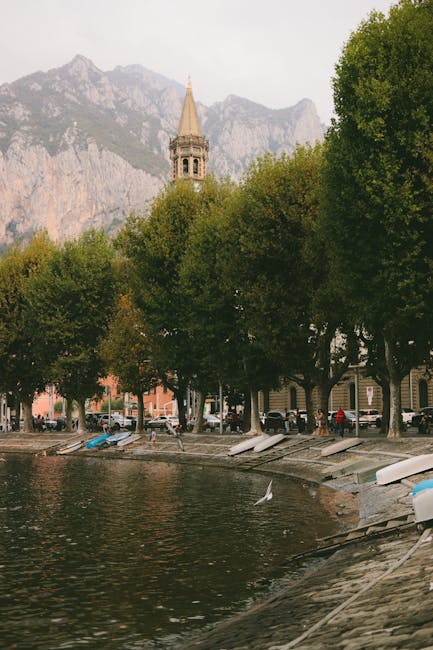
4. Ghiffa and the Sacro Monte — nature, baroque art and hamlets linking hills to the lake
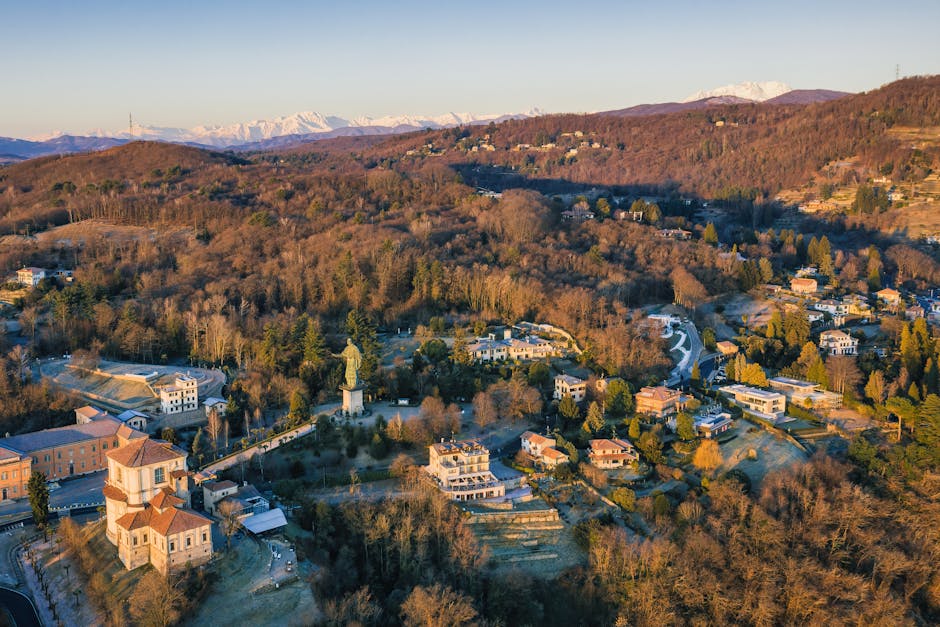
Ghiffa, on the Piedmont shore, is known for the Sacro Monte di Ghiffa, a UNESCO World Heritage site, but its surrounding hamlets — such as « Cinerello » and « Rivotorto » — remain quieter and more authentic. Address of the Sacro Monte: Via Sacro Monte, 28823 Ghiffa VB, Italy. Sanctuary and monumental route hours: generally 09:00–18:00 (April to September), 09:00–16:30 (October to March). Entry to the sanctuary is free; access to the chapels and the adjacent museum is sometimes charged: combined ticket about €4–€6.
The Sacro Monte of Ghiffa is a series of baroque chapels set within an oak and pine wood, overlooking the lake. The frescoes and statues depict episodes from the life of Christ and are integrated into a landscape of great serenity. Walk up on foot along the paved path from Ghiffa town centre (Via Rosmini 7): allow 45–60 minutes for a gentle ascent. Wear walking shoes, bring water and a hat in summer. The viewpoints are perfect for photo stops and to admire the light on the lake’s surface.
Where to eat: in Ghiffa, « Ristorante La Terrazza » (Via per Zoverallo 2, 28823 Ghiffa VB) offers local cuisine with dishes starting at €12. Hours: 12:00–14:30 and 19:00–22:00; closed Tuesday. For a cheaper stop, Bar Caffetteria « Il Ponte » (Piazza XXV Aprile 1, 28823) serves panini for €4–€7 and coffees for €1.30–€1.50.
Local tips: combine a visit to the Sacro Monte with a walk through the small hillside settlements, where you’ll find orchards and dry stone walls. Farmers sometimes sell seasonal fruit directly from the farm: apples and pears €2–€3/kg in season, homemade jams €4–€6 per jar. In autumn, ask about harvest days or local festivals: chestnut or new-wine celebrations often include stalls and tastings (entry usually symbolic or free depending on the event). Always respect natural areas and don’t pick produce without permission.
Conclusion: Getting close to authenticity — practical tips and suggested route
Exploring the forgotten hamlets around Lake Maggiore means embracing a different approach: slowing down, avoiding tourist clichés and stepping into still-preserved living spaces. The four stops described — Cheglio, Corconio, the discreet quarters of Cannobio and Ghiffa with its Sacro Monte — offer a range of experiences: panoramas, crafts, local gastronomy and small baroque chapels. For a weekend itinerary, stay one night in Cannobio (Lungolago G. Marconi, hotels from €70/night), spend the morning in Cheglio, have lunch near Corconio and finish the day with a visit to Ghiffa’s Sacro Monte. The distances are short but the roads are winding; it’s best to set off early to enjoy the light and quiet.
Final practical advice: – Transport: a car is convenient for linking these hamlets, but boat and bus connections exist (Azienda Navigazione Lago Maggiore ferry: single ticket Cannero–Stresa around €8–€12 depending on distance; timetables vary by season). Check schedules in advance on the official site or at the harbour. – Maps and GPS: use the exact addresses given to find small streets; some roads are narrow and poorly signposted, so drive carefully. – Local respect: keep noise to a minimum in residential areas, take all your rubbish with you, and ask permission before photographing people. – Cash: carry small change for purchases — some hamlets don’t always accept card payments. – Health and safety: in summer carry water and sunscreen; in winter equip your vehicle for mountain conditions if necessary.
Ultimately, these hamlets offer an intimate Italy, built of stone, gardens and routines passed down through generations. They ask for time — to walk, to talk and to look. Don’t wait for crowds to change these places: go now, be curious and respectful, and you’ll return with images and flavours that will linger long after the trip.