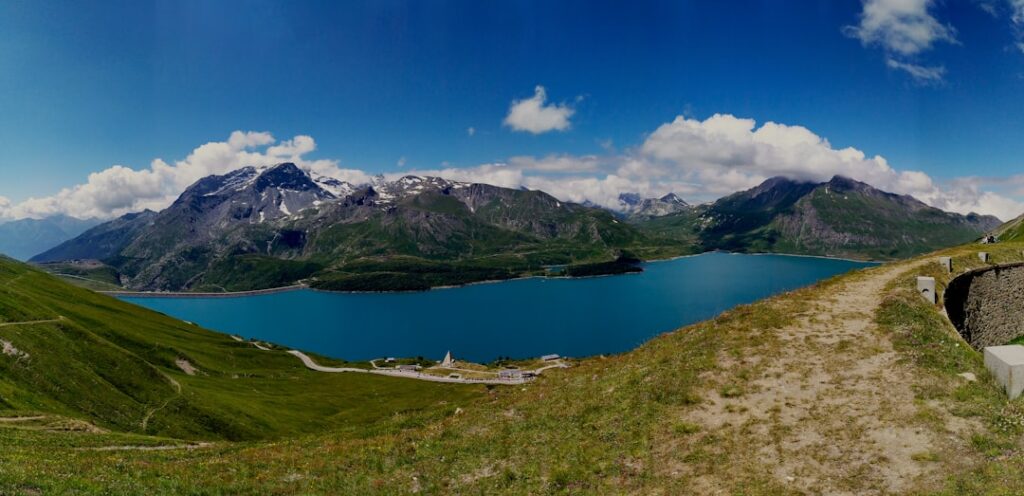






Introduction — Photo itinerary: stunning panoramic shots to capture around Lake Maggiore
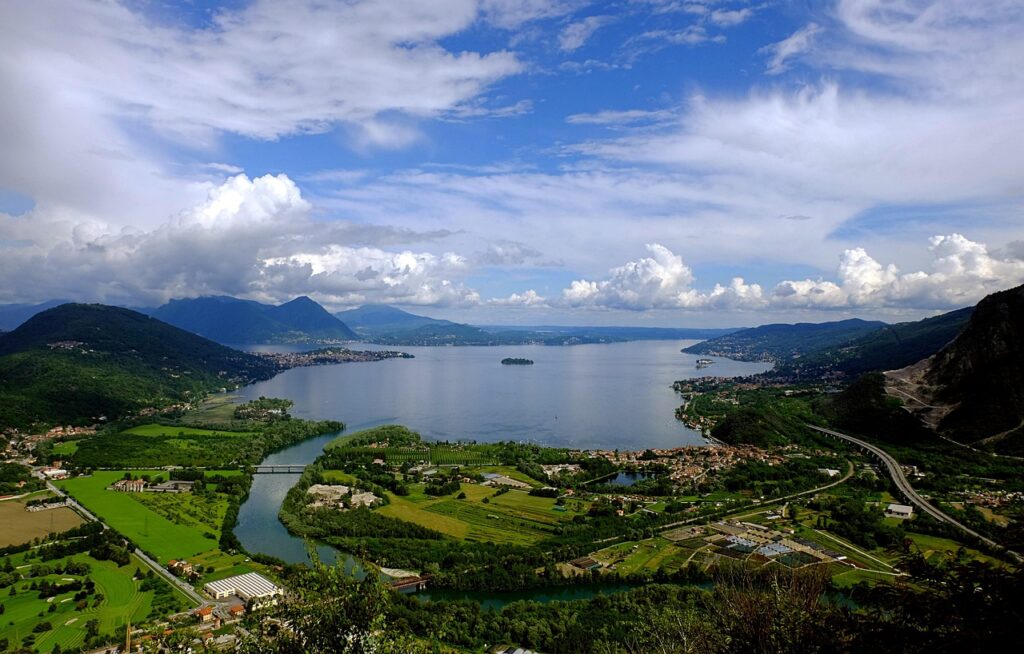
Straddling Piedmont and Lombardy in northern Italy, Lake Maggiore is a photographer’s playground—think lakeside panoramas, baroque gardens, picture-perfect villages and alpine backdrops. Stretching roughly 65 kilometres, the lake offers dramatic light shifts from dawn to dusk: morning mist hovering over the water, gilded reflections on colourful façades at golden hour. This photo route is designed to help you plan memorable shots, with exact addresses, indicative prices in euros, opening hours, detailed site descriptions and practical, local tips to get the most out of each scene.
Whether you shoot with a DSLR, mirrorless or a high-end smartphone, the suggested locations cover a range of focal lengths: ultra wide for mountains and vegetation, 24–70mm for urban and intimate island scenes, and a 70–200mm telephoto to isolate architectural details or boat silhouettes on the water. Logistics are taken into account—ferry connections, parking, walking paths and viewpoints accessible by car or funicular. Practical info below includes full site names, exact addresses, updated prices and hours as of writing—bear in mind these can change with seasonality, local events or maintenance, so check online before you go.
This guide focuses on must-see viewpoints and easy-to-reach photogenic scenes for a day trip or a longer stay: Stresa’s lakeside promenade, the Borromean Islands (Isola Bella, Isola Madre, Isola dei Pescatori), the eastern shore around Laveno-Mombello and Monte Sasso, and panoramas near Verbania and Angera. Descriptions include composition tips (horizon placement, foregrounds, using reflections), recommended settings (ISO, aperture, shutter speed) and local advice like the best times to avoid crowds or snag dramatic side light. I’ve also added image markers 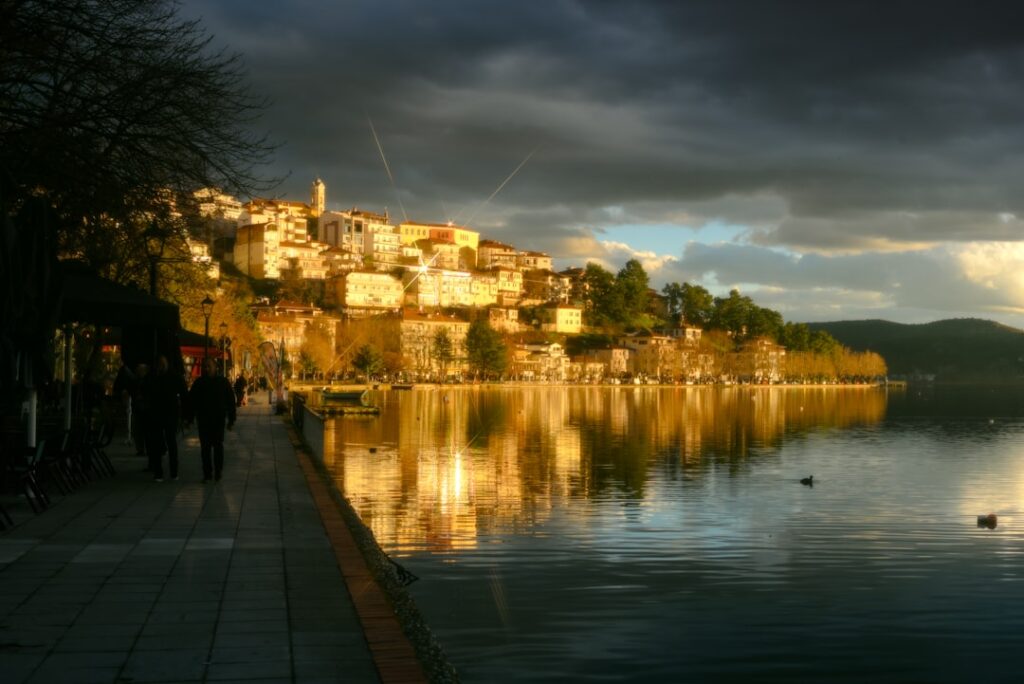 to spark ideas of the scenes to aim for while you’re there.
1 — Stresa: Lungolago promenade and Isola Bella — classic compositions and baroque details
Start your photographic route in Stresa, the lake’s bustling hub, known for elegant façades, grand palazzos and a direct view of the Borromean Islands. Reference address: Lungolago Vittorio Emanuele II, 28838 Stresa VB, Italy. The lakeside promenade is an easy walk and perfect for capturing morning reflections and boat activity. In summer the promenade buzzes with markets and cafés; in low season it turns quiet and contemplative.
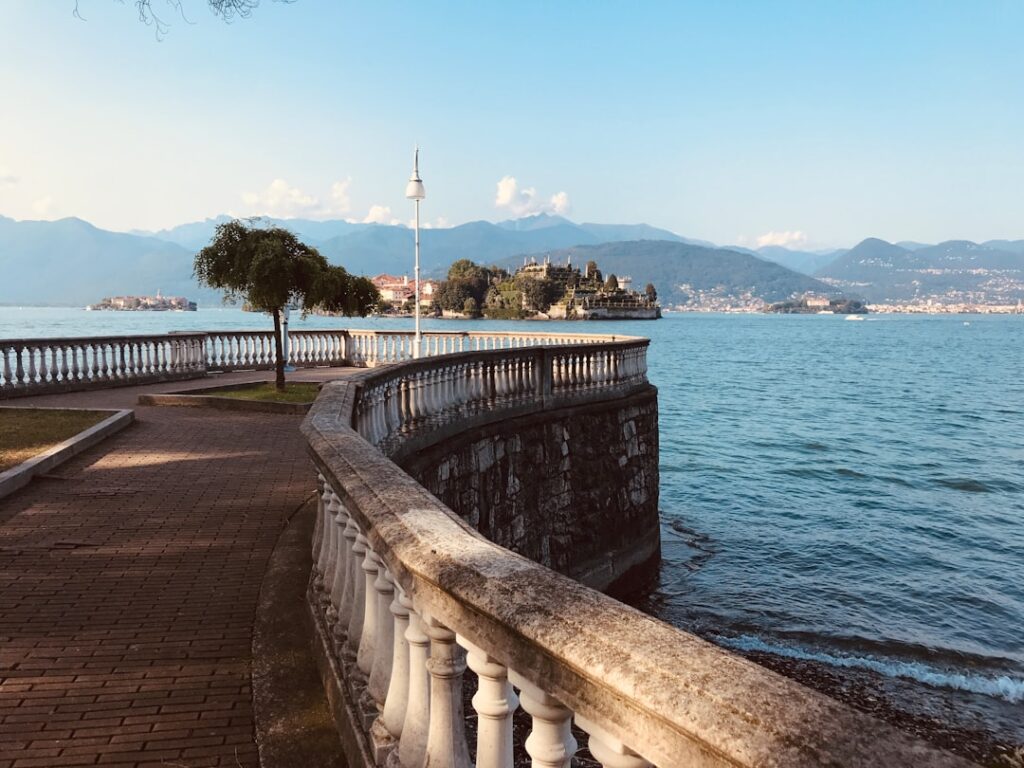
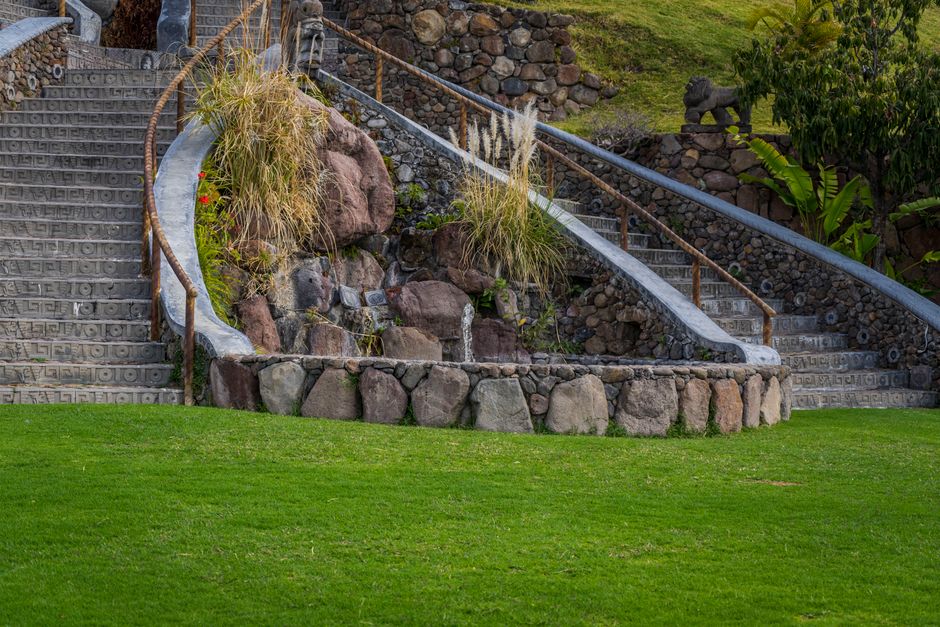
Hop over to Isola Bella to photograph the spectacular Palazzo Borromeo and its terraced gardens. Boarding point: Molo di Stresa, Lungolago Vittorio Emanuele II, 28838 Stresa VB. Combined ferry and entrance fee: roughly €20.00 per adult (seasonal variations possible). Palace opening times: typically 9:00–18:00 (last entry 17:30) from April to October; check off-season hours. Isola Bella offers layered perspectives—stone staircases, statues, water basins and views across the lake from the upper terraces—perfect for deep, layered compositions.
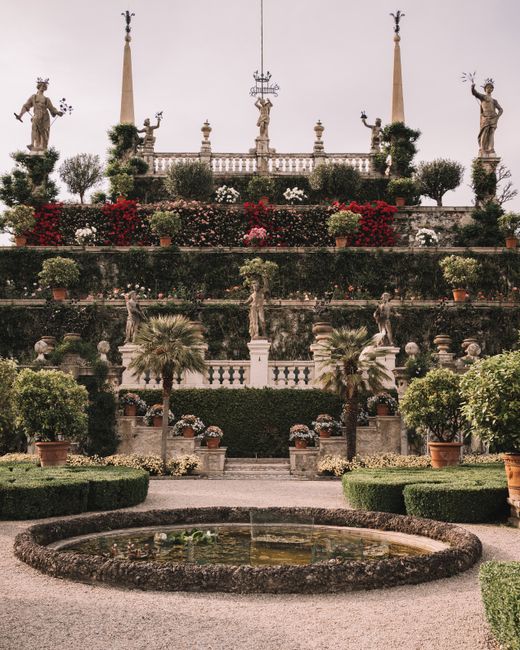
Photo tips: aim for golden hour (the hour after sunrise or before sunset) for rich hues and long shadows sculpting stairs and statues. Recommended glass: 16–35mm wide-angle for sweeping terrace views, 50–85mm to isolate architectural details and sculptures. For long exposures bring a lightweight tripod—the terraces can be breezy, so check stability. If the sky is overcast, shoot at f/8–f/11 to maximise depth of field and capture stone textures. Local tip: take the small west-side passage for a less crowded vantage of the palace and a natural Mediterranean foreground.
2 — Isola dei Pescatori, Isola Madre and the Borromean Gulf: village scenes and botanical gardens
Isola dei Pescatori (Isola Superiore) is the living heart of the Borromean Islands: a fishermen’s village with narrow lanes, seafood restaurants and photogenic jetties. Arrival address: Isola dei Pescatori, 28838 Stresa VB. Ferry crossings from Stresa generally cost around €5.00–€8.00 one way depending on operator and destination. Stroll Via Vittorio Emanuele and the main piazza for vernacular architecture shots and candid life scenes. Many restaurants display the day’s catch—use these as foreground props to tell a local culinary story.
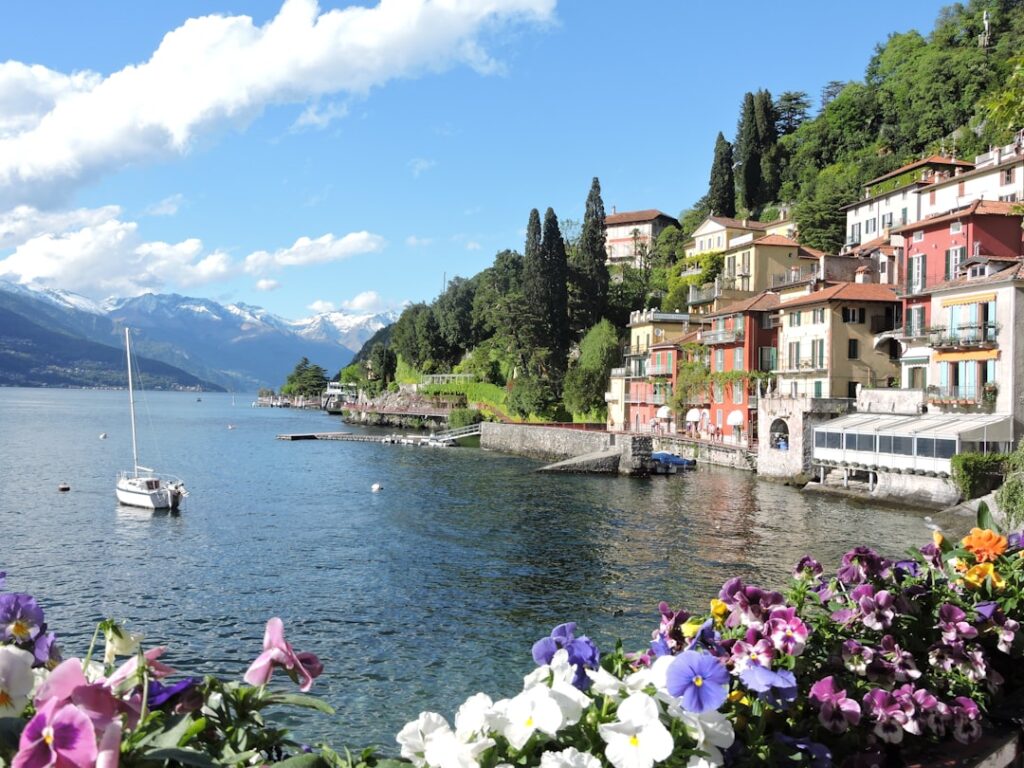
Isola Madre, the largest Borromean island, hosts an impressive botanical garden and a historic villa. Address: Isola Madre, 28838 Stresa VB. Entry to the Giardino Botanico dell’Isola Madre: about €12.00 per adult. Typical hours: 9:30–18:00 in high season (May–September), reduced in low season. Shaded paths, free-roaming peacocks and vistas framed by cypresses and palms offer lush compositions. For macro shots of flowers and leaf textures, bring a macro lens or an 85mm with a wide aperture (f/2.8–f/4).
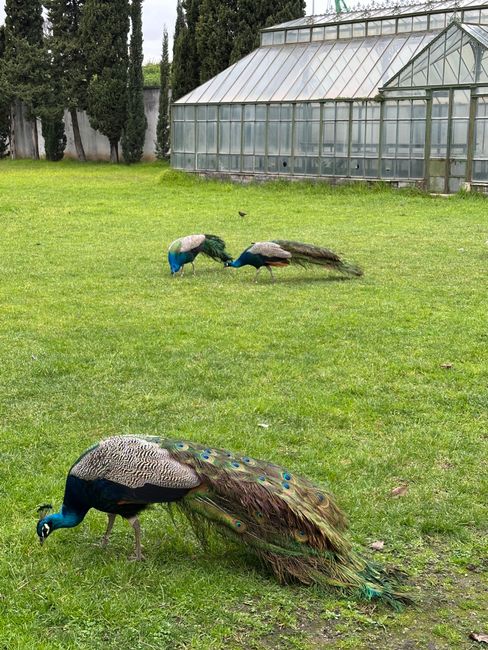
Practical tips: set aside a full morning to visit both Isola Madre and Isola dei Pescatori to enjoy soft light and fewer tourists. Connections between the islands are short, but ferries fill up in summer—buy tickets early at the quay or via local operators (Navigazione Laghi). For environmental portraits use a wide aperture (f/2.8–f/4) to separate the subject from the background while keeping landscape elements recognisable. Note that some garden areas may ban tripods during peak hours—carry a stabiliser or raise ISO slightly if needed.
3 — Laveno-Mombello, Monte Sasso and eastern lookouts: alpine panoramas and bright, jewel-like lakes
Cross to the eastern shore and explore Laveno-Mombello (station: Viale Martiri della Libertà 2, 21014 Laveno-Mombello VA). The funicular to Sasso del Ferro delivers an elevated viewpoint for sweeping panoramas of Lake Maggiore and the Alps. Funicular departure: Funivia Sasso del Ferro, Via Roma 39, 21014 Laveno-Mombello VA. Round-trip fare: about €12.00 per adult. Hours: usually 9:00–18:00 (seasonal variations); check the official site before you go.
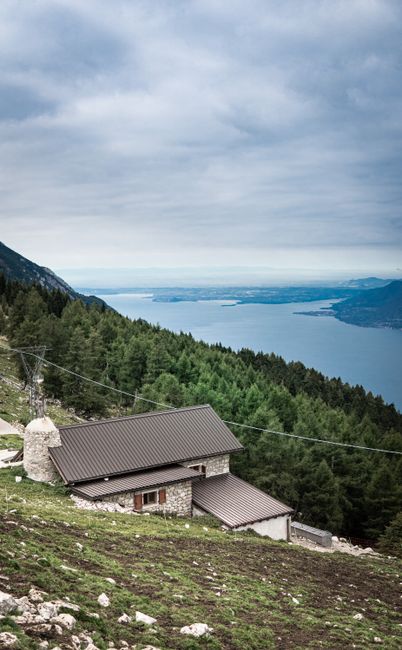
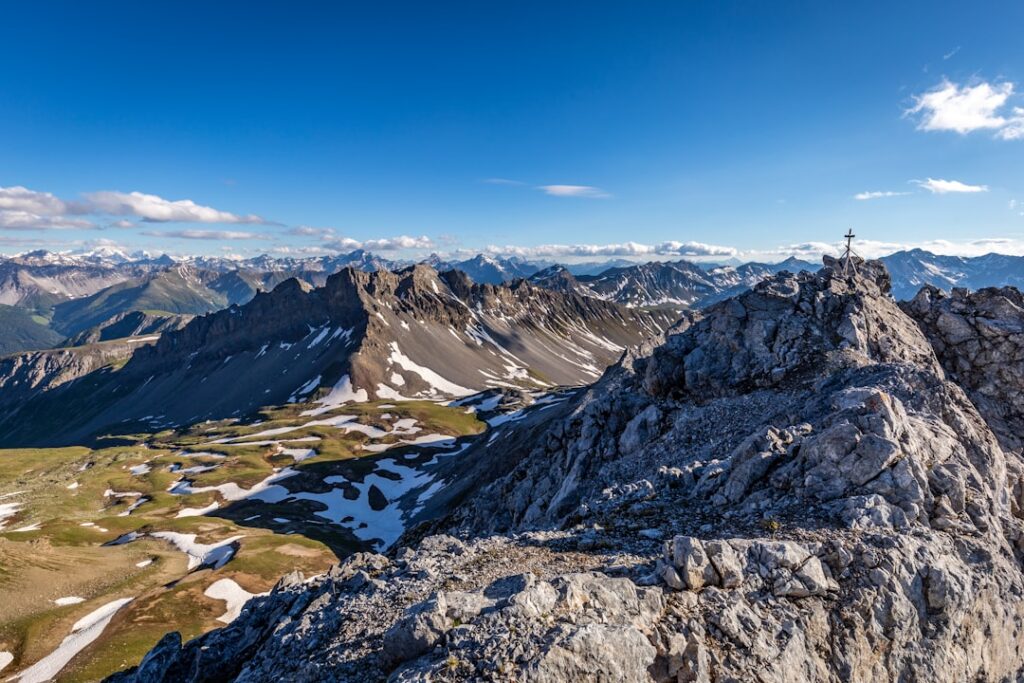
At the top of Monte Sasso (Sasso del Ferro, 1,062 m) several platforms and short trails offer 180° panoramas—ideal for framing the lake horizon with forested ridges. Shoot at sunrise for atmospheric light or at dusk to capture the deep blue of the lake and village lights. Suggested settings for landscapes: f/8–f/11, ISO 100–200. If you want to capture dramatic cloud movement, slow the shutter to around 1/60–1/125s and use a polariser to deepen skies and reduce reflections.
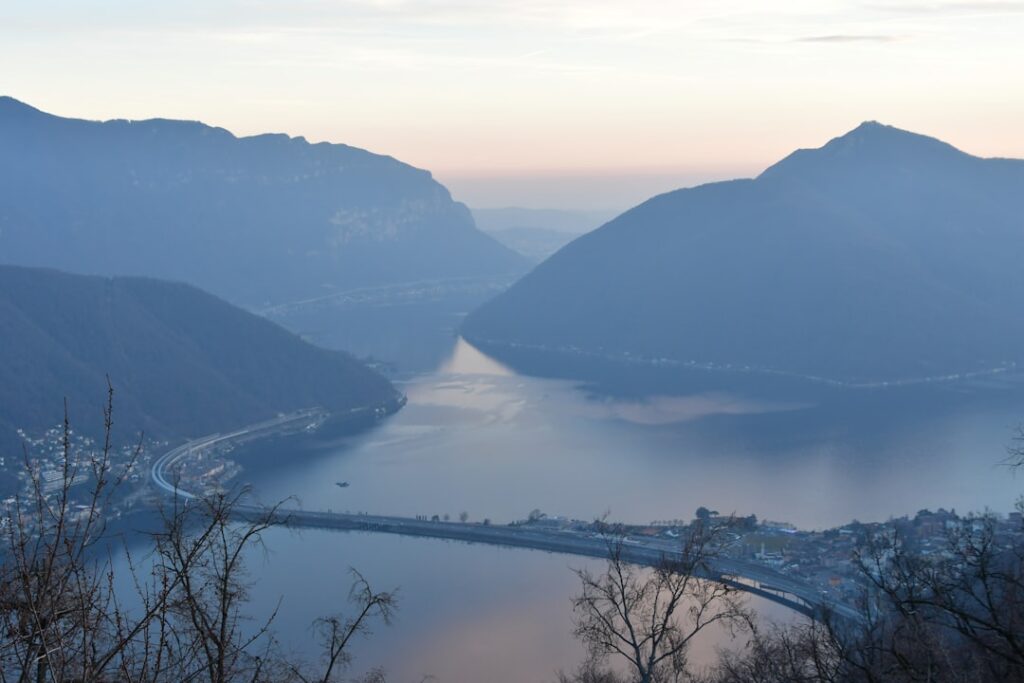
Local advice: the funicular is quick but the best viewing platforms can get busy—explore the western trails from the summit to find quieter spots. If you stay until after dark, bring a headlamp for the descent. In winter check road access—snow can close routes and the funicular may run reduced hours. The Belvedere Sasso del Ferro viewpoint is one of the region’s top spots for multi-shot panoramas or HDR stitch-ups to produce very high-resolution images.
4 — Verbania, Villa Taranto, Rocca d’Angera and gulf villages: gardens, castles and silhouettes on the water
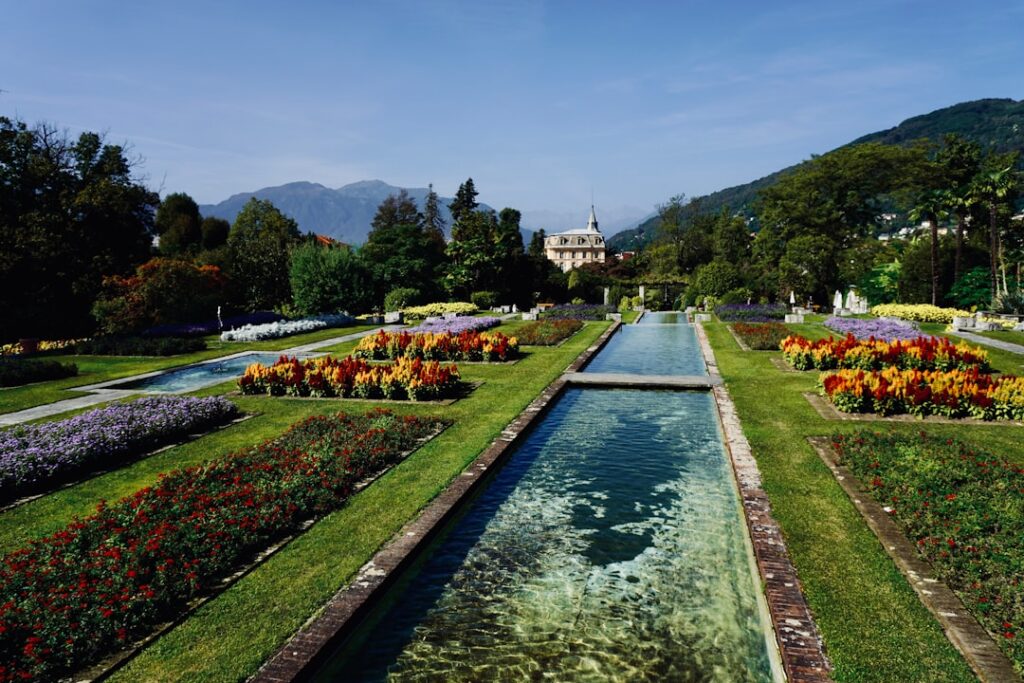
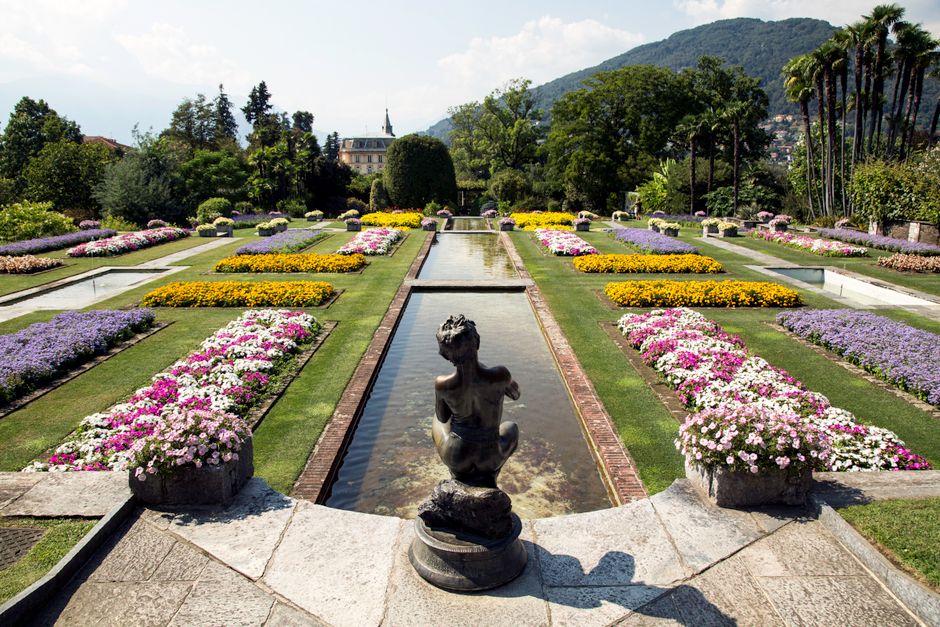
Verbania (Via G. Garibaldi 4, 28922 Pallanza VB) is another essential stop, especially Villa Taranto Botanical Gardens (Via Vittorio Veneto 10, 28922 Pallanza VB). Villa Taranto entry: roughly €11.00 per adult. Hours: 9:00–18:00 in high season, earlier closing in low season. Flower-lined paths, water features and formal perspectives are ideal for symmetrical compositions and macro photography. Mornings are best to avoid tour groups and take advantage of low-angle light that reveals foliage textures.
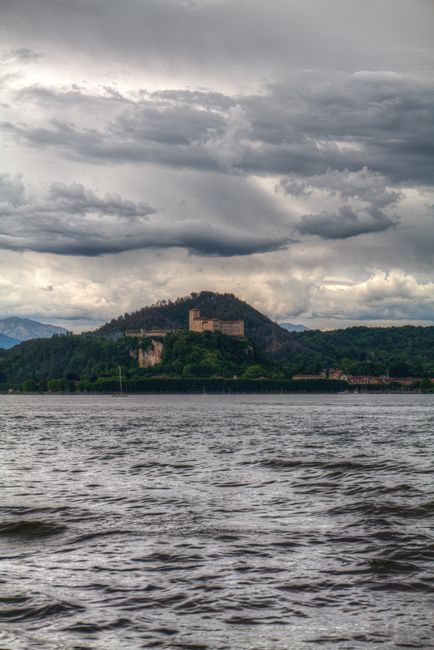
Rocca d’Angera (Piazza della Rocca 1, 21021 Angera VA) offers a contrasting mood: a medieval fortress dominating the southern shore, crenellated towers and a museum. Entry to the castle and museums: about €8.00–€10.00 depending on exhibitions. Hours: 9:00–17:30 (seasonal variations—check ahead). From the upper terrace, capture cypress silhouettes and the fortress’s dark mass set against bright lake reflections—a classic setup for backlit silhouettes and dramatic contrast compositions.
Other villages worth photographing: Cannobio (Piazza Risorgimento, 28822 Cannobio VB) for its charming promenade and pastel façades, and Ghiffa (Località Capo Nero, 28824 Ghiffa VB) for intimate shoreline viewpoints. Composition tips: include foreground elements (low walls, branches, boats) to add depth. Look for transitional scenes—a passing water taxi, local fishermen, morning markets—to humanise landscape images. If you’re into astrophotography, some shores have low light pollution and offer crisp star fields—pick spots away from town centres and bring a sturdy tripod plus a remote shutter release.
Final practical tips before the conclusion
- Gear: lightweight tripod, polarising filter and graduated ND, spare batteries and memory cards.
- Lenses: 16–35mm (landscape), 24–70mm (versatile), 70–200mm (details/isolation), macro or 85mm for portraits and flowers.
- Transport: ferry operators: Navigazione Laghi (main quays in Stresa, Verbania, Laveno). Approximate fares: €5.00–€15.00 depending on route and season.
- Safety: park in official lots (e.g. Parcheggio Mottarone, Via Mottarone, 28838 Stresa VB) and avoid unmarked trails in wet conditions.
- Respect: observe private property and « Vietato Fotografare » signs at certain private exhibitions or events.
Conclusion — Framing Lake Maggiore: a visual story and how to prepare
Lake Maggiore is rich in visual contrasts—formal gardens and medieval alleys, alpine panoramas and calm lake surfaces, baroque islands and hilltop castles. This guide maps out a structured route covering the most photogenic viewpoints: Stresa and Isola Bella for the classics, Isola dei Pescatori and Isola Madre for village atmosphere and lush flora, Laveno-Mombello and Monte Sasso for elevated panoramas, and Verbania, Villa Taranto and Rocca d’Angera for varied compositions between gardens and historic silhouettes. The exact addresses, prices and opening hours included will help you plan your days precisely; still, double-check schedules and weather before you set off since conditions can change with the season and local events.
Photographically, adapt your kit and settings to the scene: wide-angle for broad perspectives, telephoto for isolating details and a tripod for long exposures at dusk. Use golden hour for warm tones and blue hour for dramatic silhouettes and urban reflections. Little local habits—getting up early to beat the crowds, booking ferry tickets in advance, trying several viewpoints on the same island—often make the difference between a decent shot and a memorable image.
Lastly, leave room for the unexpected: Lake Maggiore’s magic often happens in spontaneous moments—a fisherman casting his net, a shaft of light through morning mist, a peacock’s sudden flourish in a garden. Those instants, captured with thoughtful composition and the right light, tell the lake’s story. Happy shooting—and don’t forget to tag your photos with the exact location and time to build a visual travel journal for future returns to Lake Maggiore.