Introduction: Roman Footsteps on Lake Maggiore — a journey through ruins and legends
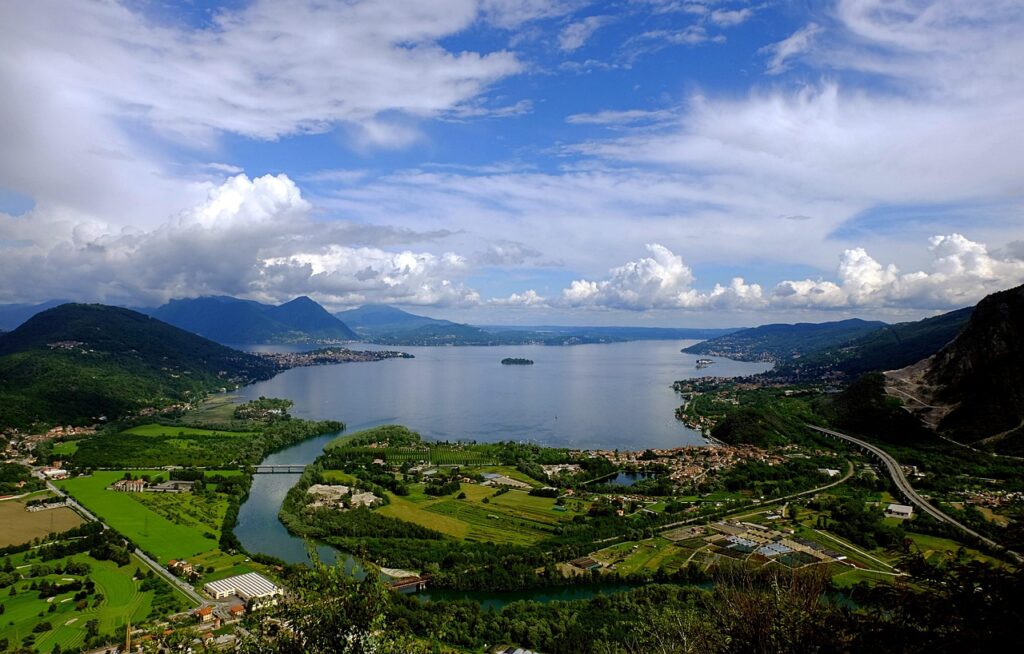
Lake Maggiore is often associated with the Borromean lush gardens, baroque villas and picture-postcard villages dotting its shores. But beneath that sometimes “romantic” veneer lies a much older historical layering: the footprint of Roman presence and its legacies — roads, villas, tombs, everyday objects and, above all, the popular stories that turned ruins into local legends. This guide invites you to walk the shoreline of Lago Maggiore and nearby areas following Roman traces, pausing at archaeological sites, museums that hold the finds, and places of memory where documented history and oral tradition mingle.
Romanization in northern Italy left uneven marks depending on the area: major road axes that connected Mediolanum (Milan) to the north, patrician villas perched to take advantage of the view and riverside trade, and necropolises placed at key crossing points. Around Lake Maggiore, these traces were reinterpreted over centuries — medieval fortifications built on Roman foundations, churches reusing ancient elements, and municipal museums bringing together stelae, ceramics and coins found during excavations or by chance.
This guide is conceived as an explorer’s map: it suggests precise stops (place name, address where given, indicative prices in euros, usual opening hours) and includes immersive descriptions to help you feel the site — the creak of an ancient wall under your hand, the smell of stone heated by the sun, the panoramic view from a reconstructed Roman roadway. You’ll also find practical tips (best time to visit, how to avoid crowds, recommended gear) and suggestions for further reading and visits. The aim is not to deliver an exhaustive inventory of every small archaeological find — many are held in private collections and local archives — but to structure a coherent route suitable for a curious visitor, whether hiker, history lover or traveler seeking authenticity.
Finally, this guide takes a critical, practical approach: practical information (prices and hours) follows the most recent public indications known, but it’s recommended, before traveling, to verify updates directly with tourist offices or official sites, especially in the low season or during special events. With that in mind, lace up comfortable shoes, bring a paper or offline map and get ready to step back in time — the Romans left traces that are waiting to be rediscovered along Lake Maggiore.
1. Main gateways: Roman roads and routes around the lake
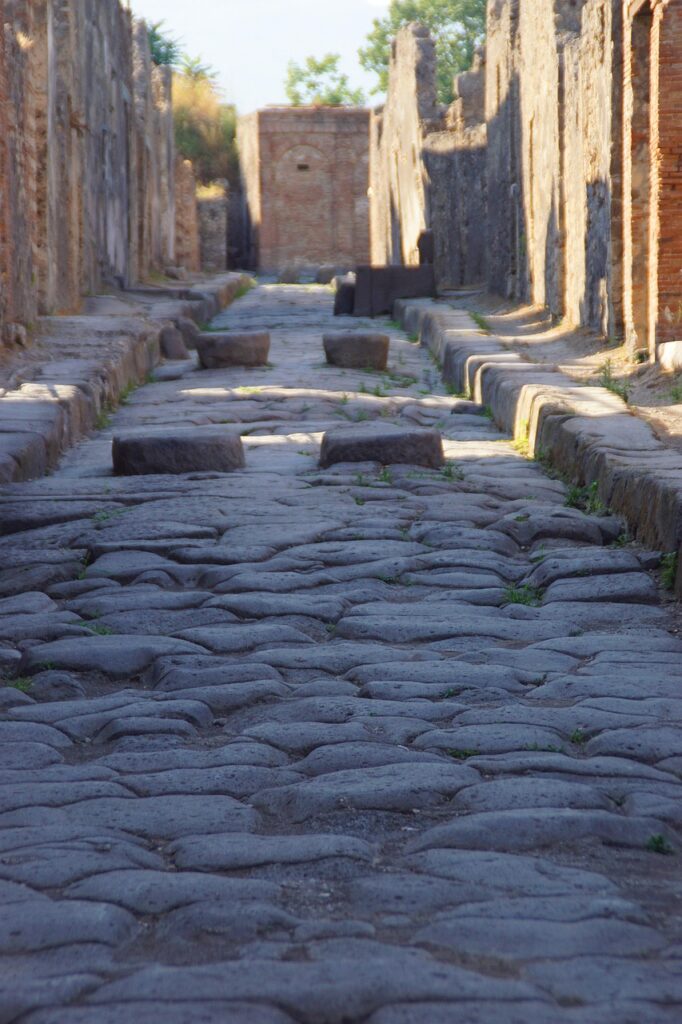
Romanity often reveals itself in the landscape: routes that favored mountain passes, easy waterside crossings and natural landing points. Around Lake Maggiore, several ancient axes have been identified by archaeologists or through toponymic studies: stretches of Roman pavement, buried bridges and road segments that later became medieval communal paths. For visitors the interest is twofold: to physically spot these alignments and to understand their strategic and economic roles.
Among the most evocative routes is the military road that linked the Lombard plain to the northern flank of the Alps, used for troop movements and the transport of goods. Remains of reinforced carriageways and drainage ditches have been identified at various points, often under the medieval layer. Marked walks around Verbania and Pallanza sometimes follow these ancient foundations: walking these trails gives you a sense of the topographical constraints that dictated Roman settlement.
Practical tips: to find traces of Roman roads, favor archaeological maps provided by local tourist offices (Verbania Tourist Office, Piazza G. Garibaldi 1, 28922 Verbania VB — tel. +39 0323 5550, office hours 09:00–17:00 in season; check for seasonal closures). Bring sturdy walking shoes, a compass or an offline GPS app and, if possible, a local guide. Many road traces are most visible late in the day when the low sun and tree shadows highlight ancient embankments.
- Point of interest: Sentiero Storico (sections near Ghiffa and Pallanza) — marked hiking trail, free access. Best time: late afternoon for the golden angled light.
- Local tip: ask farmers or hamlet residents; many know of cup-marked stones or foundations locally called “Roman” that aren’t officially catalogued.
2. Lakeside villas and residences: where Roman elites savored the views
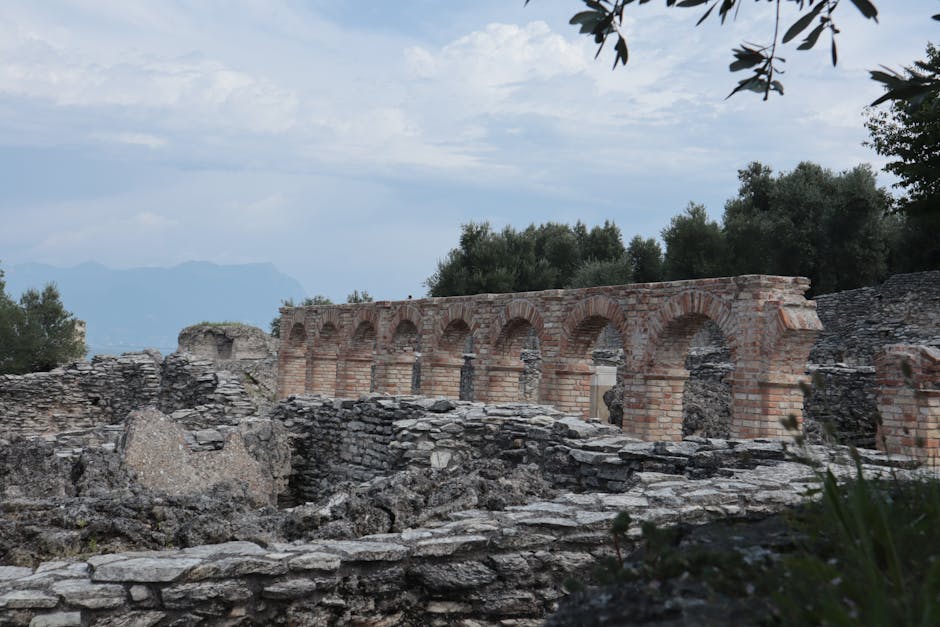
The shores of Lake Maggiore attracted elites from Roman times who wished to combine pleasure and business. Prestigious villas, often built on promontories or set back to enjoy a milder microclimate, controlled access to the lake and functioned as agricultural and production centers (olive groves, vineyards, orchards, fish farming). Today you may still find stretches of walls, reused mosaic floors in later buildings or references in local inventories.
A telling example is the archaeological zone near Angera and Arona where spot excavations have brought to light villa structures and rural baths — fragments of opus reticulatum walls, column bases and sections of polychrome mosaic. Many of these artefacts are kept in municipal museums or regional scientific labs, but interpretive panels along trails help explain the spatial organization: the pars urbana (residential area), pars rustica (working area) and hydraulic installations.
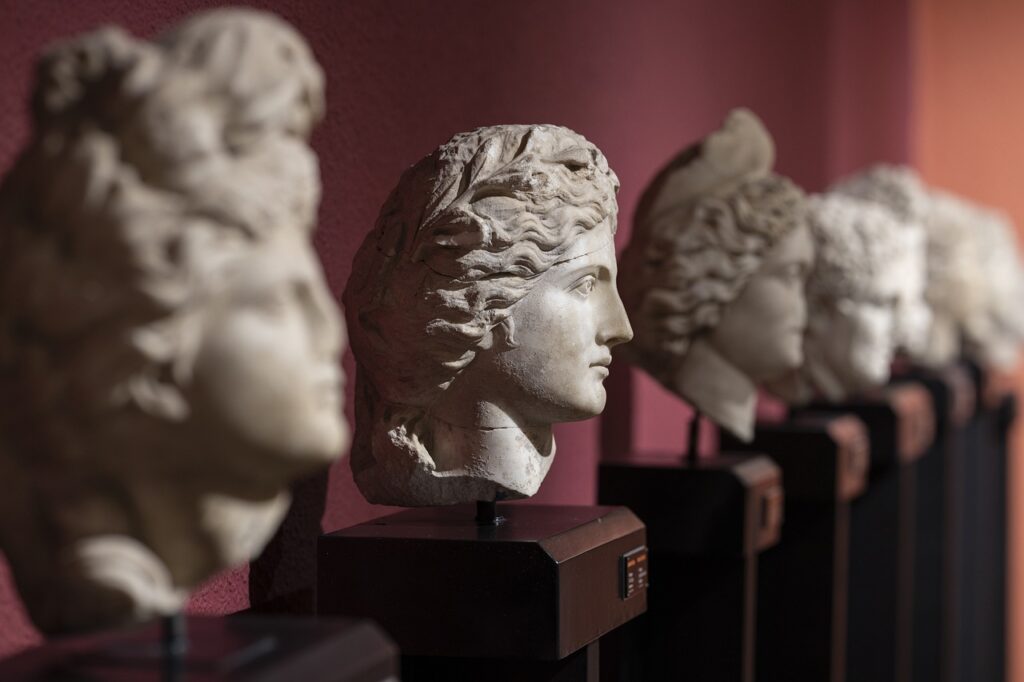
Recommended visit: Museo Civico Archeologico di Angera (Via del Lago 45, 21021 Angera VA — tel. +39 0331 873…); hours and prices vary by season (entry typically €3–6 for temporary exhibitions, free for children/students under certain conditions). The museum displays pottery sherds, metal objects, funerary tablets and reconstructed plans. Public information can be succinct: contact the comune’s ufficio cultura for in-depth guided visits.
- Typical address: Villa rustica, southern Lake Maggiore area — inquiries via Comune di Angera, Piazza Garibaldi 1, 21021 Angera VA.
- Indicative price: archaeological guided tours €6–12 per person (depending on duration and guide).
Practical tips: the best time to explore villa remains is shoulder season (May–June and September–October): pleasant temperatures and fewer tall weeds obscuring structures. Bring a hat, water and a notebook — many discoveries are still ongoing and university teams sometimes welcome curious visitors for a chat.
3. Necropolises and funerary monuments: death and its markers along the lake
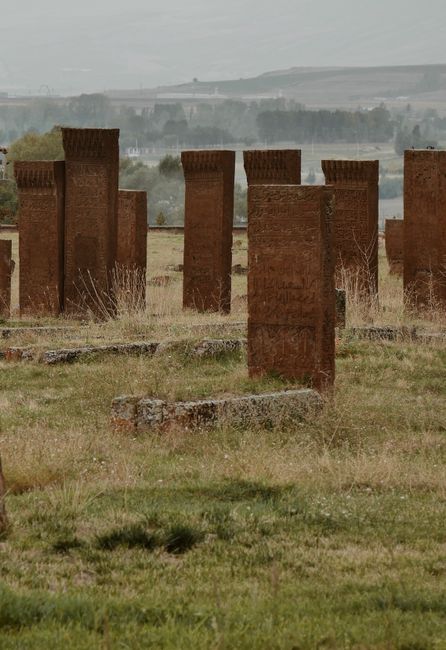
Roman necropolises often appear on the edges of major routes: along a road, the tombs formed a continuous fringe visible to travellers, reminding them of life’s realities. Around Lake Maggiore, excavations and chance finds have produced funerary stelae, urns and inscriptions, sometimes displayed in local collections. The carved stones reveal origins, names and statuses of the deceased, and show the mingling of local populations with the Roman world.
A crucial stop for anyone interested in these practices is the Museo Archeologico Nazionale of the nearest province that displays Roman material: collections include tombs, stelae and everyday objects discovered during surveys. Typical contact for provincial resources: Museo Archeologico Provinciale, Corso Roma 12, 28922 Verbania VB (hours vary, entry €4–8, reductions for groups and school visits). These museums also explain funerary customs: cremation, inhumation, ceramic offerings and the use of Latin inscriptions.
Immersive description: picture a clear day — you walk along an old road, reeds rustle at the lake’s edge and, scattered in a field, several roadside tombstones lie half-covered in moss. Latin letters, worn by centuries, still reveal truncated names enough for a local guide to reconstruct the story of a small merchant or a Romanized farming family.
- Sites to note: small stelae on open display near the communes of Arona and Sesto Calende (check with municipal offices for exact locations).
- Prices and opening hours: surface sites are usually free; local museums €3–8; hours 09:00–12:30 and 14:00–18:00 in high season.
Local advice: strictly respect fenced-off areas; never move fragments; photograph and report any recent discovery to the Soprintendenza Archeologica (regional conservation office). For a deeper immersion, some local guides offer workshops on reading Latin inscriptions and ceramic typology — book in advance and allow 1.5–2 hours.
4. Museums, collections and specialist visits: where to consult the finds
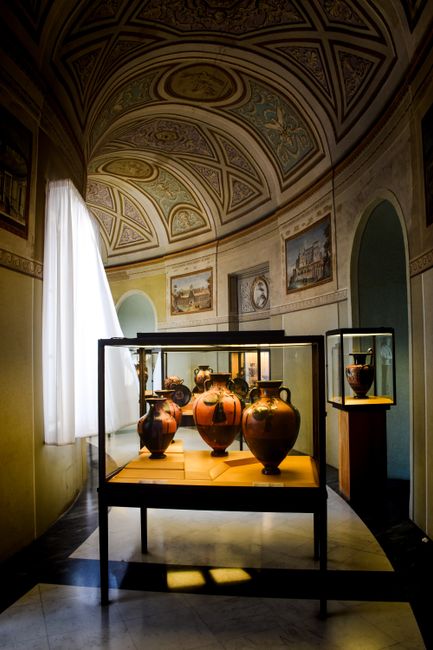
If you want to deepen your knowledge of Roman heritage around Lake Maggiore, museums and archive centers are essential. They preserve in situ fragments, publish catalogs and host lectures. Several institutions scattered along the lake and in nearby towns present Roman collections accessible to the public.
Notable addresses to know:
- Museo del Paesaggio di Verbania — Via Corridoni 11, 28922 Verbania VB. Although primarily devoted to landscape and local history, this museum includes archaeological sections that contrast the territory’s evolution since Roman times. Hours: generally 10:00–18:00 (closed Mondays off-season). Indicative price: €5–10.
- Museo Civico Archeologico di Angera — Via del Lago 45, 21021 Angera VA. The museum offers objects, sherds and reconstructions, and sometimes runs themed guided tours. Hours vary; entry €3–6.
- Archival resources — Soprintendenza Archeologia Belle Arti e Paesaggio per le provincie di Bergamo, Brescia e Varese — for excavation requests and scientific publications (contact through provincial offices; it’s recommended to email for appointments and archive consultation).
Temporary exhibitions in municipal libraries are an excellent way to discover recent finds: mosaic fragments loaned by university labs, dendrochronological studies of lake piles (which shed light on ancient hydrography) and old maps showing the continuity of transport axes. Museums often provide audio guides in Italian and English; for in-depth visits, prioritize guides with archaeology credentials.
Practical tips: buy skip-the-line tickets for temporary summer exhibitions (prices €8–12). If you travel in a group, ask about reduced rates and the possibility of a guided visit in French or English (2–3 weeks’ notice). Finally, several museums sell reproductions and scientific publications, handy as a field reference or scholarly souvenir.
5. Legends and stories: popular memory between myth and history
Roman presence on Lake Maggiore is not limited to stone. It’s embedded in the local imagination: legends of cursed tombs on promontories, tales of treasure buried near toppled columns, or stories of Roman soldiers who supposedly left weapons buried in marshes. These oral traditions have sometimes prompted amateur digs; they’re also a valuable source for the attentive historian.
A common example in local toponymy concerns places called “La Rocca del Romano” or “Il Castello Romano” — names applied to rocky outcrops or ruins that may or may not date to the Roman period. These spots often come with tall tales: a miracle spring discovered along an ancient wall, a stone bearing a Roman boot imprint, or a path said to have been cut by a general’s horde.
For visitors, these legends are a fascinating interpretive filter but should be treated with caution: popular accounts tend to merge periods, mix up characters and embellish. Nevertheless, local tales are informative: they show how contemporary communities reclaim the past and how some vestiges survived thanks to protective beliefs.
- Recommended activity: join a nocturnal guided walk or a local storytelling event in a lakeside village — tourist offices sometimes organize themed evenings (price €8–15).
- Tip: always cross-check a legend against archaeological sources: a story may point to an interesting site, but the dating might not match.
Finally, legends often become material for participatory museography: some small local museums provide “legend vs. reality” panels that explain a tale’s possible origins. It’s an excellent way to appreciate both intangible heritage and the rigour of scientific research at once.
Conclusion: Between visible ruins and intangible traces, rediscovering Romanity on Lake Maggiore
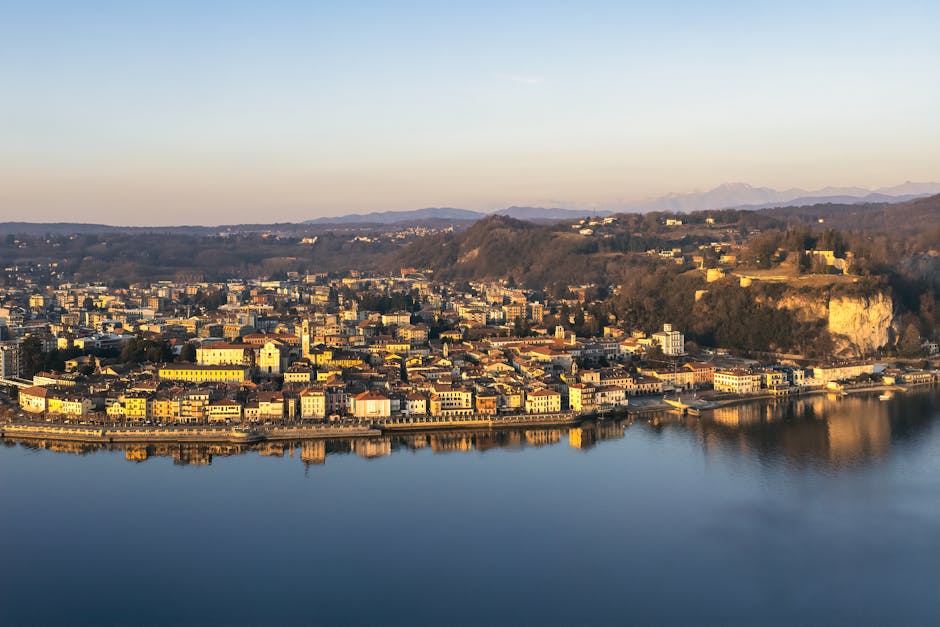
Lake Maggiore and its shores invite wandering through time: ancient roads hidden beneath modern streets, villas whose mosaic floors were covered by baroque gardens, funerary stelae that today dot bucolic paths. Following the Romans here isn’t a purely archaeological exercise: it’s a way of understanding how a landscape builds up in layers and how communities, over centuries, attach meaning to places that keep tangible reminders and oral memories.
Practical and respectful: before you go further, remember that most remains are protected by national and regional laws. Do not touch archaeological objects found by chance; report them to the competent authorities (Soprintendenza Archeologia and municipal offices). For a rewarding experience, combine visits to natural sites (sunrise walks along the shore, short boat trips to the islands) with cultural stops (museums, archive centers, temporary exhibitions). Check hours and prices before visiting: municipal offices and museums may change schedules off-season or during local events.
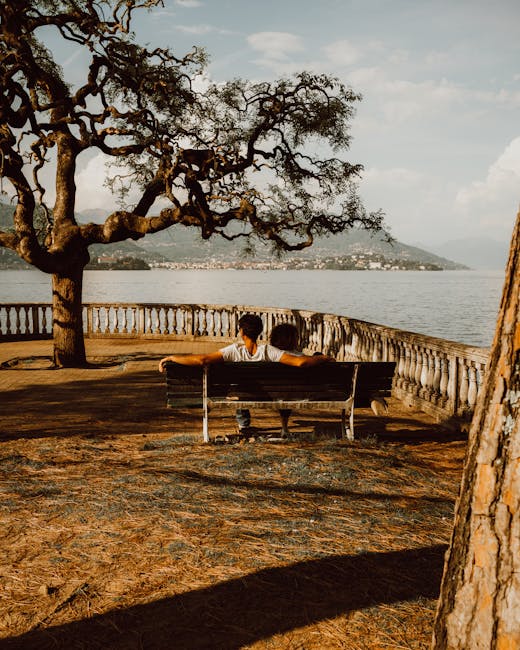
Lastly, leave room for slow time: Lake Maggiore’s Roman past often reveals itself at the pace of contemplation — sit on a bench, watch the lake surface, read an info plaque, leaf through an exhibition catalogue and, why not, chat with a local who’ll tell you the story of the place. These conversations, these small attentions to space and detail, turn a simple visit into a true historical crossing. Safe travels following the Romans’ footsteps: may your steps find stones, words and stories that make the past resonate across Lake Maggiore’s landscape.