





Introduction — Terraces & Statues: The Living Baroque of the Borromean Gardens
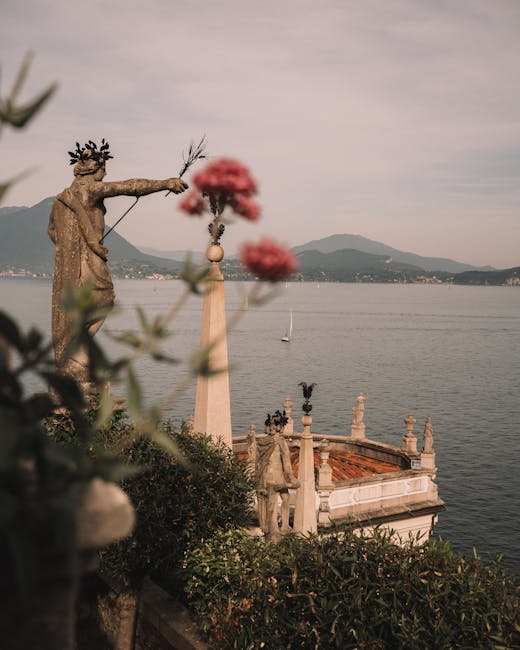
In the heart of Lake Maggiore, facing the Piedmont and Lombardy shores, lie gardens whose geometry, theatricality and sculpture seem to defy time: the Borromean Gardens. Laid out like open‑air Baroque stages, they unfold in successive terraces lined with statues, allegorical sculptures and monumental basins, creating a constant conversation between water, stone and vegetation. The experience here isn’t that of a typical botanical park but of a Baroque theatre where you move through a living set designed to surprise, move and impose a precise aesthetic order. Isola Bella and Isola Madre, two of the Borromean islands, are the main stages of this theatre: the former, with its Palazzo Borromeo and sculpted terraces; the latter, with freer botanical gardens and pathways punctuated by statues, stolen perspectives and lakeside belvederes.
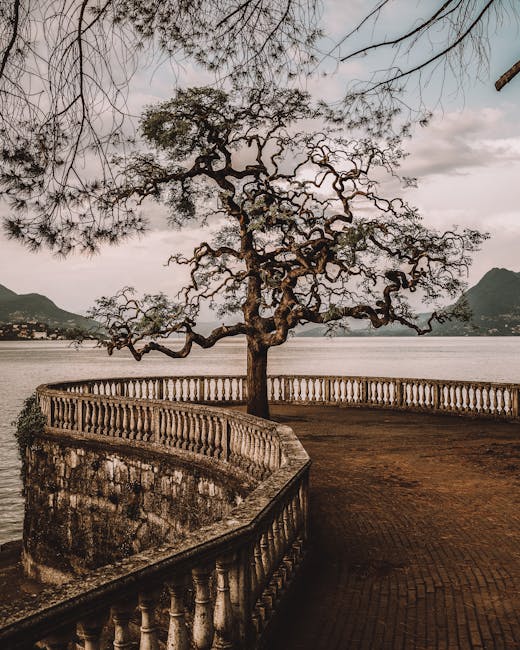
These gardens tell the story of a family — the Borromeo — who, since the 17th century, have shaped the island landscape by inscribing a monumental aesthetic: decorated basins, marble and stone statues, horseshoe staircases, formal parterres and controlled sightlines. On every terrace a statue seems to address the visitor: classical gods, mythological heroes, allegories of Virtue and Love, heroic figures compose a scenography that is at once grand and intimate. The terraces themselves, built to dominate the lake, offer exceptional frames on the Lombard and Piedmont peaks, changing mood with the morning light, the gold of sunset or the light mist of a spring morning.
But these gardens are more than museumified stone and plants; they are alive. In spring, rhododendrons and azaleas burst into colorful clumps; in summer, paths are filled with visitors from across Europe; in autumn, the play of colors across the terraces takes on an almost dramatic depth. The statues, sometimes weathered by time, integrate with plant and maritime life: mosses, droplets of water, reflections in basins and ripples on the lake create a sensory score that only historic sites with this intensity can offer. This unique blend of architecture, horticulture and sculpture makes the Borromean Gardens a perfect example of the “living Baroque” — a Baroque that breathes and dialogues with the lakescape.
In this article we’ll explore in detail the terraces and statues of the Borromean Gardens: how they’re organized, what not to miss on Isola Bella and Isola Madre, where the best viewpoints are for photos, ticket prices and how to practically plan a successful visit from Stresa or other shores of Lake Maggiore. We’ll give exact addresses, opening hours, indicative prices and plenty of local tips — from the most scenic route to the best times to avoid crowds and nail your shots. Get ready to discover one of Europe’s finest Baroque gardens, where every statue, step and basin tells an old story and finds its place in the vast panorama of Lake Maggiore.
Isola Bella — Palazzo Borromeo and its Sculptural Terraces
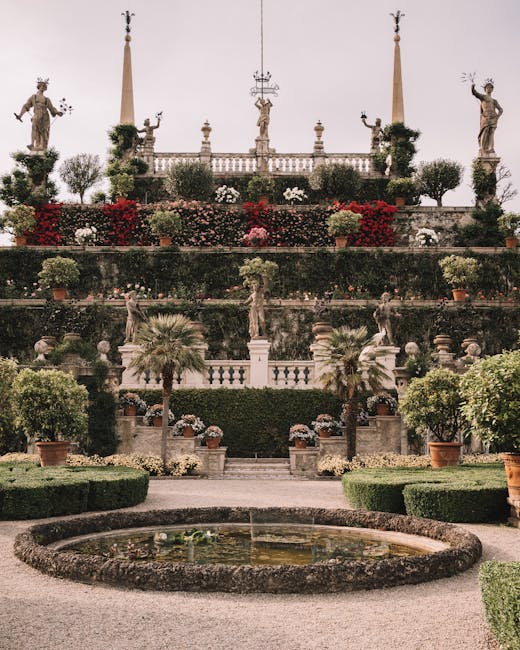
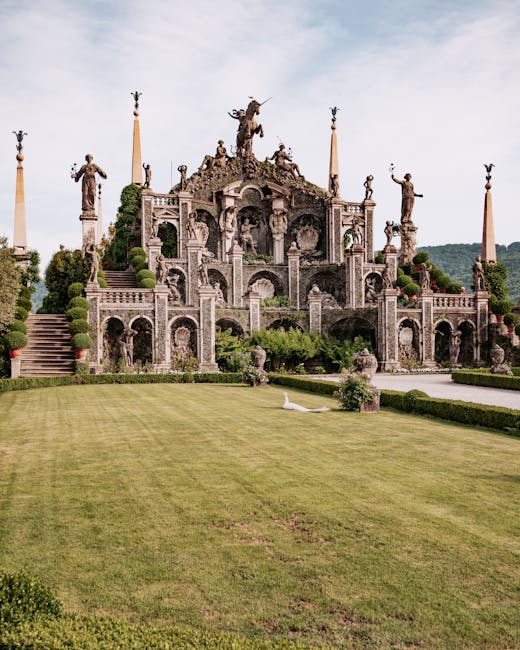
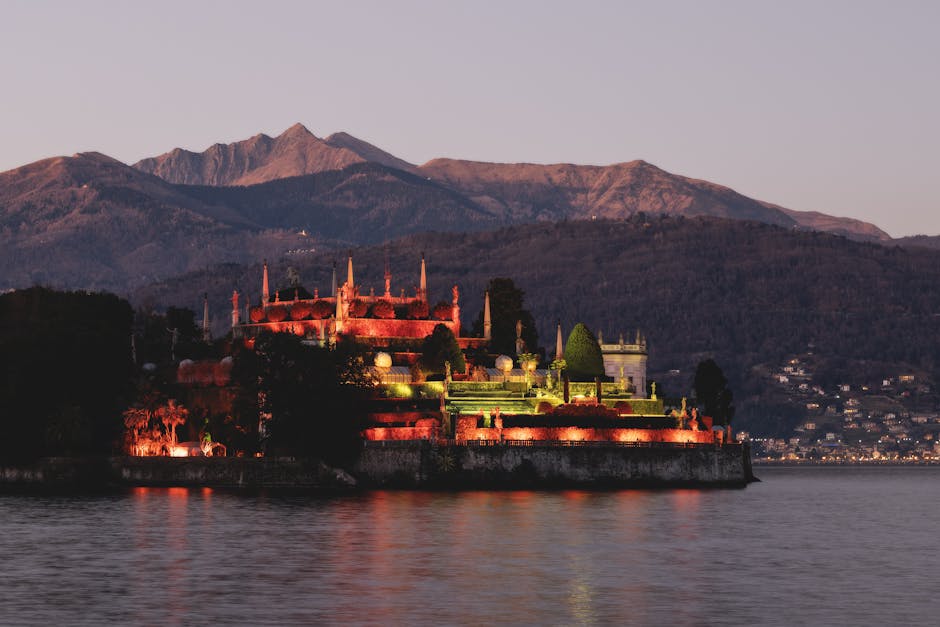
Isola Bella is arguably the most emblematic of the Borromean islands. Located at Isola Bella, 28838 Stresa VB, Italy, it is home to the majestic Palazzo Borromeo and a system of Italianate terraces that cascade down to the lake. Built from the 17th century by the Borromeo family, Palazzo Borromeo is open to the public and usually visited as a combined experience: historic furnished apartments and terraced gardens. The terraces are organized on several concentric levels connected by stone steps and adorned ramps, alternating parterres, basins, monumental vases and marble statues depicting deities, ancient heroes and allegories.
Address and access:
- Name: Palazzo Borromeo and Giardini di Isola Bella
- Address: Isola Bella, 28838 Stresa VB, Italy
- Main access: boat from Stresa (Molo di Stresa, Lungolago Mazzini, 28838 Stresa VB)
Opening hours and prices (indicative 2024):
- Opening times: April 1 to October 31, typically 09:00 – 18:00; in low season (November–March) access is reduced, check the official site
- Palazzo + Gardens admission: around €18 per adult (discounts for students, seniors and groups)
- Gardens only ticket: around €12 per adult
- Naviservizi / Navigazione Lago Maggiore Stresa–Isola Bella boats: one-way ticket about €4–6, return €8–12 depending on route and season
Immersive description:
On landing at Isola Bella you immediately notice the verticality of the garden: a succession of built terraces framed by clipped yews, symmetrical parterres and statues positioned like markers along a procession. The Baroque sculptures, set on pedestals, play an architectural role: they structure views, mark axes and punctuate visual pauses. Among the most notable pieces you’ll find allegories of the four seasons and mythological figures that seem to watch over cascading basins. The grand central staircase leads to a belvedere with a striking view of Lake Maggiore and the Alpine chain — on a clear day you can make out snow‑capped peaks on the horizon.
Practical tips on site:
- Arrive early in the morning (09:00–10:00) to avoid tour groups and enjoy soft light for photography.
- Wear comfortable shoes: the terraces include many stone steps that can be slippery when wet.
- Bring a windbreaker: the lake breeze is refreshing, especially on the upper belvederes.
- If you’re carrying a drone, note it is strictly forbidden to fly over the Borromean islands without permission; follow local rules to protect the site.
- Public toilets are near the landing; there’s a small souvenir shop and a café close by.
Isola Madre — The Other Side: Botanical Gardens, Greenhouse and Sculptures in Context
Isola Madre, at Isola Madre, 28838 Stresa VB, Italy, is the largest of the Borromean islands and offers a complementary experience to Isola Bella. Here the Baroque meets a more naturalistic taste: lush botanical gardens, a palm grove, a historic greenhouse and winding paths dotted with marble statues and water features. The island is famous for its collection of exotic species, its Teatro di Verzura (green theatre) and the more relaxed, romantic atmosphere of its grounds.
Opening hours and prices (indicative 2024):
- Opening times: April 1 to October 31, typically 09:00 – 17:30; reduced hours in low season
- Isola Madre Gardens admission: around €12 per adult (combined Isola Bella + Isola Madre tickets available)
- Stresa–Isola Madre boat: one-way about €5–7, return depending on package
Immersive description:
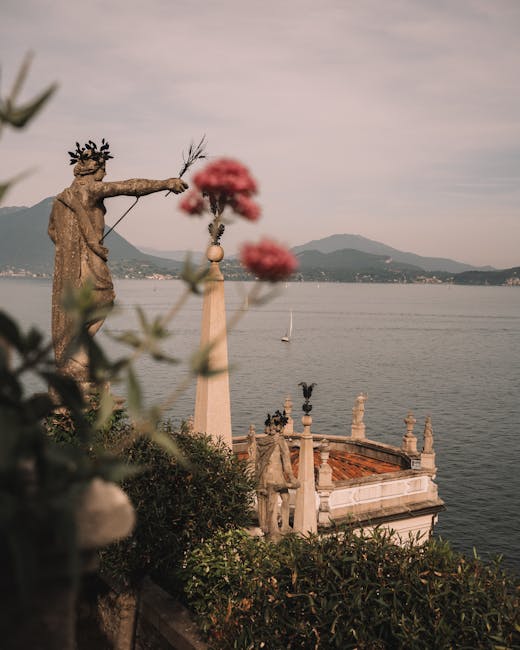
Walking through Isola Madre you get the sense that nature has been invited to take measured liberties: exotic groves spread around solitary statues as if each sculpture had been placed to surprise a walker around a bend. Sculptures are often integrated into the landscape — broken columns, antique busts under pergolas, and little artificial grottoes where shadow meets stone. The Teatro di Verzura, a vegetal stage surrounded by yews and green arches, is especially photogenic at sunrise and sunset when light cuts the silhouettes and casts dramatic shadows across steps and surrounding statues.
Practical tips:
- Set aside at least a half day for Isola Madre to enjoy the leisurely walk, the views and the greenhouse.
- Check for temporary exhibitions in the greenhouse or historic greenhouses; the island sometimes hosts botanical events.
- Paths can be muddy after rain: waterproof footwear is recommended.
- Ideal for families and plant lovers: plenty of benches and shaded areas for picnics (check local rules about eating on site).
The Statues and their Iconography: Myths, Symbols and Baroque Staging
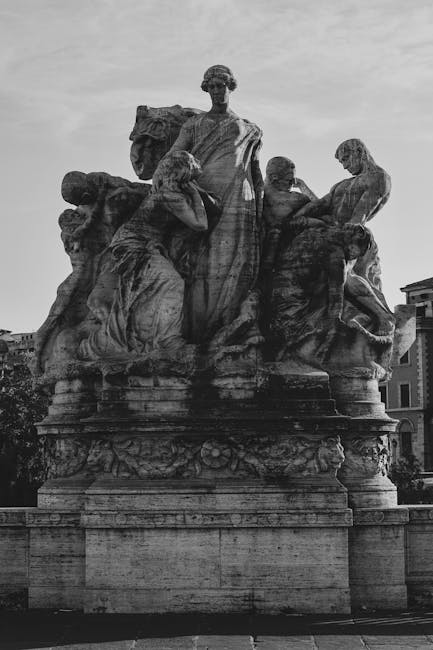
The statues that populate the Borromean Gardens are not mere decorations; they form an iconographic program blending mythology, Christian allegory and references to the Borromeo family’s glory. On Isola Bella, marble and stone statues often depict classical deities (Jupiter, Neptune, Venus), mythological heroes and allegorical figures (Virtue, Time, Fortune). Placed on high pedestals, they dominate the parterres and sometimes reflect in basins, creating mirror and symmetry effects typical of dramatic Baroque design.
Detailed description of sculpted subjects:
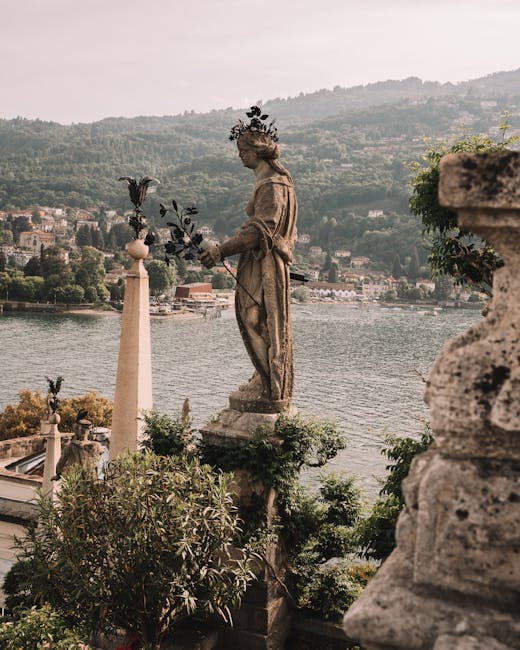
Among the most striking works you’ll encounter sculpted groups showing dramatic scenes — struggles between gods and men, tragic loves or symbolic victories — always designed to be read from multiple angles. Allegories are typically silent but expressive: a woman holding a palm can signify victory, a young man strength, while veiled figures evoke sorrow or mystery. The use of polished stone, sometimes patinated by time, gives a distinctive texture to faces and the folds of drapery, enhancing the emotional realism of these works.
Artistic context and conservation:
Most of the statues date from the 17th and 18th centuries and have been restored multiple times. Conservation work is carried out by specialist teams to protect the stone from lake humidity and winter frost. While visiting you may see areas cordoned off or explanatory panels noting recent restorations — signs of an ongoing effort to preserve these works in their original setting. Specialized guided tours, offered by the Palazzo Borromeo staff or licensed local guides, allow visitors to dive deeper into the iconography and learn about the artists or workshops behind the sculptures.
Tips for art lovers:
- Book a themed guided tour (sculpture, iconography, restoration) during your visit; they’re often available by reservation and add great value to the experience.
- Bring a notebook or use a notes app: statues often have inscriptions or explanatory cartouches you might want to remember.
- Respect safety distances and don’t touch the sculptures: oils and moisture from hands accelerate stone deterioration.
Practical Tips and Routes — How to Plan Your Visit from Stresa and Other Lake Maggiore Points
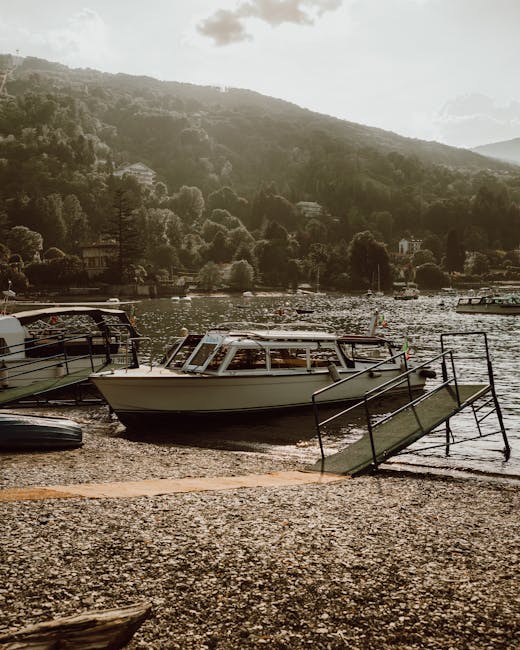
Stresa is the ideal base for exploring the Borromean islands. The main landing is at Molo di Stresa, Lungolago Mazzini, 28838 Stresa VB. From there, regular services run to Isola Bella, Isola Madre and Isola dei Pescatori. Navigazione Lago Maggiore (www.navigazionelaghi.it) offers scheduled lines and detailed timetables, typically from 08:00 to 19:00 in high season. The Stresa–Isola Bella crossing takes about 10 minutes, making visits flexible and easy to slot in.
Boat times and fares (indicative 2024):
- Company: Navigazione Lago Maggiore
- Departure: Molo di Stresa, Lungolago Mazzini, 28838 Stresa VB
- Schedule: regular lines from 08:00 to 19:00 in high season; frequency every 15–45 minutes depending on period
- Fare: one-way Stresa–Isola Bella about €5–7; day passes or combined Isola Bella + Isola Madre tickets around €15–20
Recommended itinerary for a day:
- Morning (09:00–11:30): depart Stresa for Isola Bella. Visit Palazzo Borromeo and the upper terraces; favor the morning for light and tranquility.
- Midday (12:00–13:30): lunch on Isola dei Pescatori (Fishermen’s Island), common address Isola dei Pescatori, 28838 Stresa VB — several fish restaurants serve local dishes starting at around €18–30 per person.
- Afternoon (14:00–16:30): cross to Isola Madre for a more relaxed botanical stroll, visit the greenhouse and the Teatro di Verzura.
- Late afternoon (17:00–18:30): return to Stresa, walk along Lungolago Mazzini and enjoy a coffee on one of the lakeside terraces.
Other practical tips:
- Tickets: buy Palazzo Borromeo tickets online to skip queues, especially in July–August. The official site often offers timed entry slots for the palace visit.
- Seasonal hours: out of season, palace access may be limited; the gardens are generally open longer, but always check before you go.
- Accessibility: terraces include stairs and slopes; wheelchair access is limited; contact tourist information for adapted routes.
- Languages: signs are usually in Italian; ask for an English or French brochure at reception if needed.
- Parking: in Stresa there are several paid lakeside car parks (e.g. Parcheggio Lungolago); daily rates vary — budget around €10–15 depending on season.
Experiences to Expect — Photography, Events and Best Seasons
The Borromean Gardens lend themselves to many experiences: photo sessions (portrait, still life, landscape), themed guided tours, weddings and private events (by reservation) and botanical walks. The best time to enjoy the terraces and statues is spring (April–June) when blooms are at their peak and crowds aren’t yet at their highest. Autumn (September–October) offers colors and golden light that beautifully dramatize the sculptures. Summer draws the largest crowds; if you’re visiting in July–August aim for early morning or late afternoon slots.
Photography tips and recommendations:
- Use a wide‑angle lens to capture the sequence of terraces and a telephoto to isolate statues and detail carved expressions.
- Best times: golden hour in the morning and evening. Avoid midday when light is harsh and the contrast on the white stone of statues is too strong.
- Respect areas where professional photography is restricted without permission (some interior parts of Palazzo Borromeo limit photography).
Events and activities:
The islands sometimes host outdoor classical concerts, temporary botanical exhibitions and themed nighttime visits. Weddings can be organized at Palazzo Borromeo but require lengthy reservations and special permits. For event calendars check Fondazione Isabella Ratti’s site or Stresa’s tourist offices.
Conclusion — Why the Borromean Gardens Are a Living Baroque Masterpiece
The Borromean Gardens, with their sculptural terraces and mythic statuary, form a unique ensemble where Baroque literally inhabits the landscape. Between the geometric mastery of Isola Bella’s parterres and the more romantic lushness of Isola Madre, every visitor can grasp a different facet of the same aesthetic: the desire to tame nature and turn it into a living backdrop, and the ambition to leave behind a sculptural and botanical narrative. The rich iconography of the statues, the quality of the perspectives and the intimate relationship between built elements and the lake make these gardens an unmissable destination on Lake Maggiore.
Practically speaking, organizing a visit from Stresa is easy and rewarding: frequent boat connections, affordable fares (indicative prices above) and the option to combine palace, gardens and a meal on Isola dei Pescatori for a full day itinerary. For art lovers, botanists or photographers the Borromean islands offer endless subjects: statues with intense expression, basins that mirror the sky and terraces that silhouette against the horizon. The tips given — arrive early, book online, bring good shoes — will help you enjoy the site stress‑free.
Finally, keep in mind these gardens are living heritage sites: constant conservation and management efforts are required to preserve sculptures and layouts from the effects of climate and tourism. By visiting respectfully and joining guided tours you indirectly support the safeguarding of this living Baroque. Whether you come for the architecture, sculpture, botany or simply for a lakeside stroll, the Borromean Gardens offer an experience where history, art and nature meet in spectacular harmony.