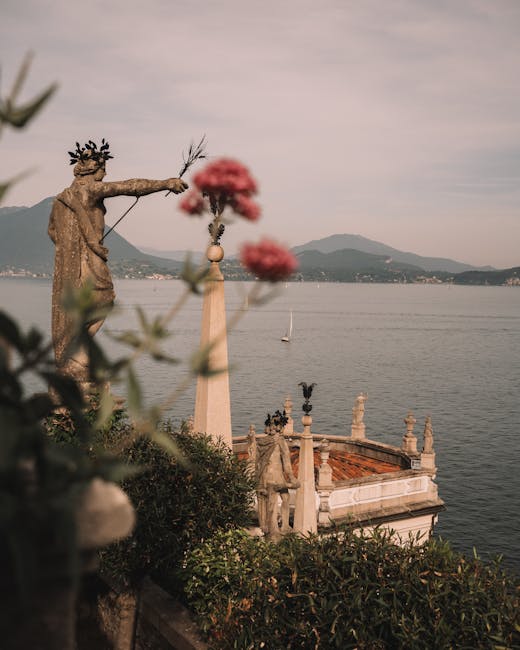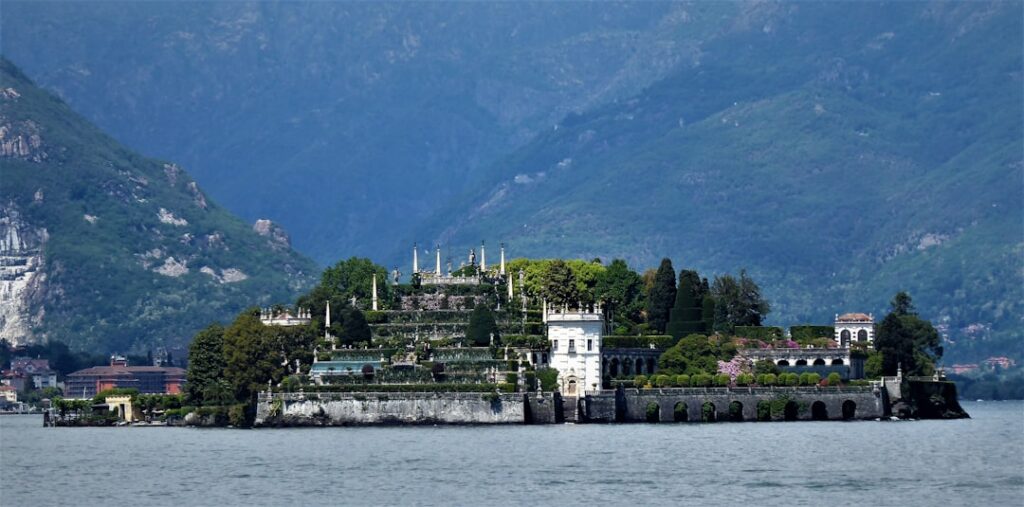




Introduction: Isola Bella, the lake’s botanical stage
Perched like a floating stage in the middle of Lake Maggiore, Isola Bella is more than an island: it’s a baroque set where architecture, gardening and sweeping lake views come together to create a uniquely theatrical experience. Dominated by the Villa Borromeo — also known as Villa Borromeo d’Adda — with its lush terraces, Isola Bella has drawn travelers, aristocrats and lovers of art and plants for centuries. Every step across the island feels choreographed: calculated sightlines, sculpted groves, statues and fountains mark the route like stage lights on a performance.
Located just off the town of Stresa (in the province of Verbano-Cusio-Ossola), Isola Bella is one of the famous Isole Borromee, a small archipelago of private and public islands dotting the Borromean Gulf. The place’s splendor lies as much in the discipline of its architectural composition — façades, reception rooms, staircases and ornamental details of the villa — as in the horticultural abundance of its terraced gardens that culminate in a viewpoint with spectacular views of the lake and surrounding mountains. The whole ensemble creates a constant dialogue between man and nature, sculpture and planting, landscape and ornamentation.
Across the seasons Isola Bella changes costume: spring bursts with color and scent, summer highlights glossy leaves in full light, autumn paints warm tableaux, while winter lends a quieter, almost secretive atmosphere as the lake mirrors shift. But beyond mere beauty, visiting Isola Bella is a history lesson: it tells the long aristocratic project of the Borromeo family — spanning several centuries — and shows how power, art and gardening were combined to display prestige and taste.
This guide offers a full immersion: the island’s history and architecture, a detailed tour of the theatrical gardens, practical information (full addresses, opening times, prices in euros), tips on getting there from Stresa and other ports, plus local recommendations to make the most of your visit. Whether you’re a photographer, a botany enthusiast, a fan of baroque architecture or just a curious traveler, Isola Bella provides a stage where every detail deserves to be seen and savored.
History and architecture of Isola Bella
The story of Isola Bella is closely tied to the powerful Borromeo family, who acquired the island in the 16th century. Originally, Isola Bella was just a rocky outcrop with little vegetation. From the 17th century onwards Carlo III Borromeo’s ambition radically transformed the place: his aim was to build an opulent residence and a garden worthy of Europe’s grandest courts — a showcase of Borromean power and refinement.
The centerpiece of this transformation is the Villa Borromeo (also called Villa Borromeo d’Adda), whose façade and interior salons reflect baroque and rococo tastes. The present building is the result of construction phases spread over several generations: façades, monumental staircases, salons decorated with frescoes and tapestries, and collections of antique art were progressively enriched. Inside you’ll find richly adorned rooms, period furniture, artworks and an interior staging that extends the theatrical spirit of the gardens.
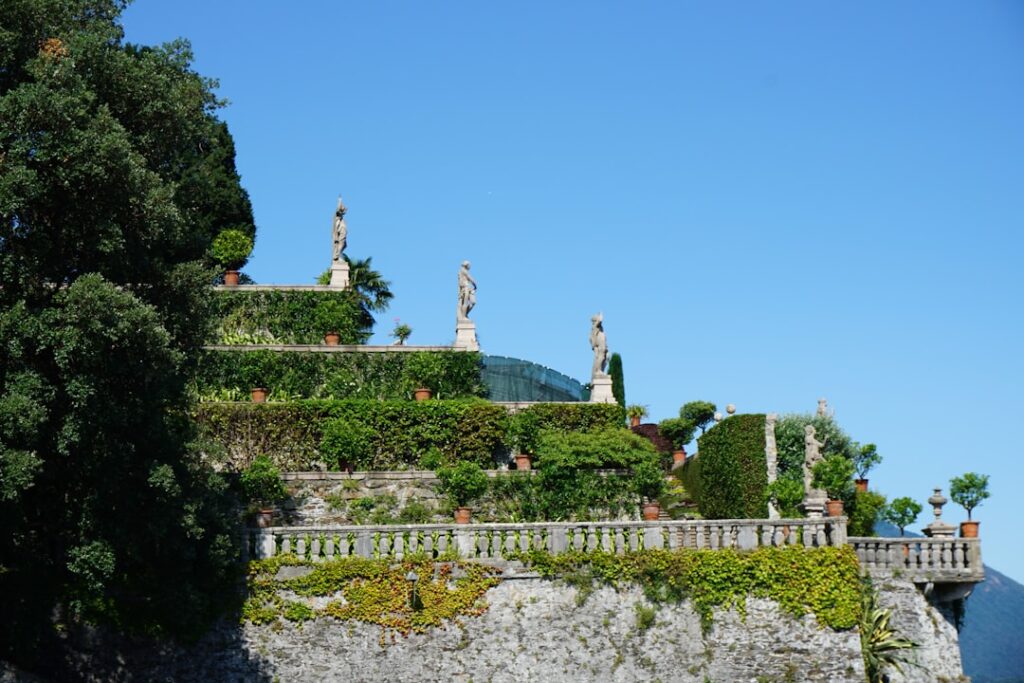
The architects and gardeners who worked for the Borromeo family used ambitious earthworks to sculpt the island. The terraced gardens, held by stone retaining walls, create a theatrical ascent from the shore to the upper belvedere. Outbuildings — orangery structures, historic greenhouses, small chapels and allegorical statues — complement the setting, offering points of interest at every level. Framed views toward the lake and toward the other islands (notably Isola Madre and Isola dei Pescatori) show how the landscape composition was conceived for dramatic effect.
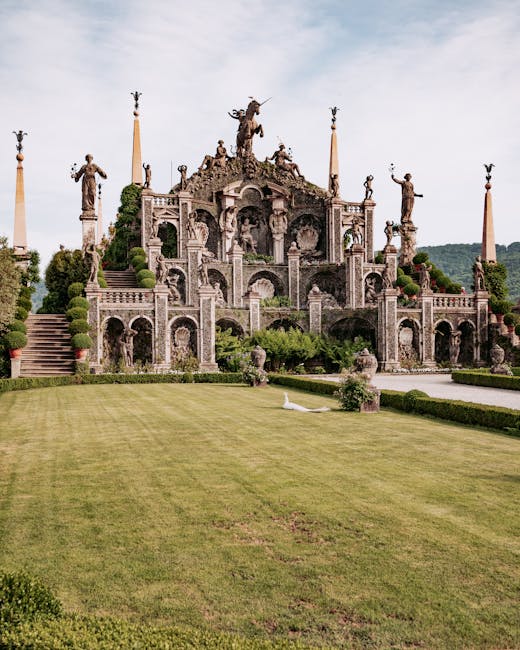
Architecturally, Isola Bella is a laboratory of styles and inventions: baroque in the exuberance of its decorations, classical in the symmetry of its layouts, and exotic thanks to botanical collections and the historical aviaries. This blend makes the island stand out among Italy’s and Europe’s historic gardens, rendering it not only beautiful but also culturally rich — a testament to courtly life and a way of thinking about landscape where every statue and every grove has an aesthetic and symbolic role.
The theatrical gardens: immersive description and route
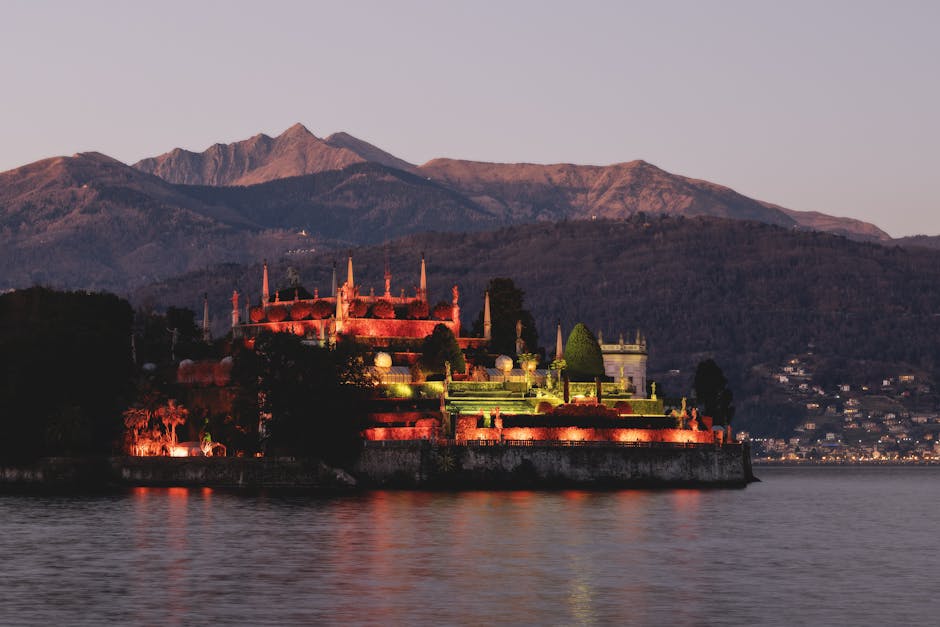
Stepping into Isola Bella’s gardens is like entering a stage set: planned paths, groves, fountains and statuary form a visual progression up to the island’s summit. The route winds upward through successive terraces, each offering a different plant palette, decorative features and framed views of the lake. Visitors move from the spectacular to the intimate, from a fountain-animated basin to shaded niches, following a strict landscape dramaturgy.
The lower garden, near the landing point, features structured beds and vegetal mosaics that serve as an antechamber to the visit. As you climb, you reach the large central terrace — the heart of the botanical theatre — laid out with geometric parterres, grand urns and allegorical statues. These elements, often marble or stone, represent classical virtues and themes: the hunt, the sea, abundance, love. Potted orange and lemon trees — kept in historic orangeries between October and April — recall the role of greenhouses and the horticultural techniques needed to maintain Mediterranean plants in a lakeside climate.
At the top, the belvedere offers a panoramic view of Lake Maggiore and the surrounding peaks: the panorama itself is part of the garden, used as a backdrop for the perspectives. The overall effect is that of a natural amphitheater where nature and artifice converse. The garden also hosts interesting plant collections: azaleas, rhododendrons, camellias, palms and exotic species introduced over the centuries. Flowering periods (spring for azaleas and rhododendrons, late winter to spring for camellias) are particularly recommended for photography and sensory strolls.
For visitors, plan at least 90 minutes to walk all the terraces, visit the villa’s rooms (if included in your ticket) and enjoy the views. The paths include stairs and sometimes narrow passages, so bring comfortable shoes. Benches and small shaded corners provide pleasant spots for contemplative pauses — essential, since the visit stimulates both the eyes and the mind.
Visiting: addresses, prices, opening hours and how to reach from Stresa
Exact island address: Isola Bella, 28838 Stresa VB, Italy. The property is managed by the Borromeo family and the grounds (villa and gardens) are officially known as Villa Borromeo e Giardini di Isola Bella. For official information and group bookings you can contact the ticket office at: Tel. +39 0323 933073 (this number is widely used for the Isole Borromee).
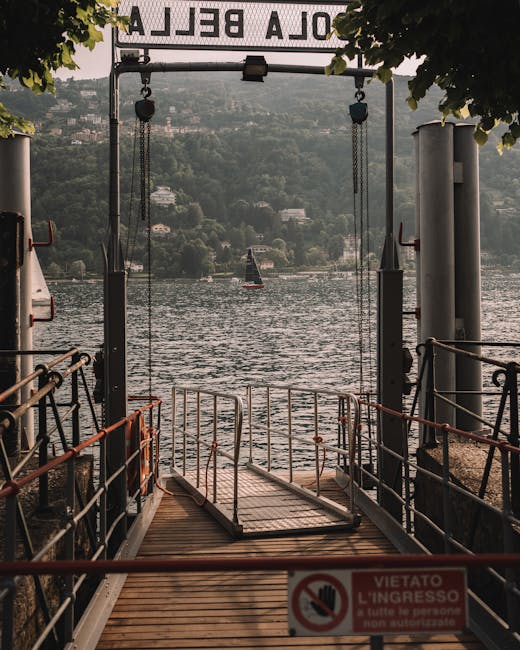
Getting there: the most common way to reach Isola Bella is by boat from the port of Stresa. Main boarding point: Molo di Stresa, Piazza Giuseppe Mazzini, 28838 Stresa VB, Italy. Multiple navigation companies run regular ferries and motoscafi (fast launches) between Stresa, the Borromean islands and other lakeside towns. Timetables vary by season: in high season (April to October) departures are frequent, roughly every 20–60 minutes between 09:00 and 18:00; in low season frequencies decrease. Indicative fares: one-way Stresa–Isola Bella about €6.00 to €10.00 depending on boat type and season. Round-trip day tickets are typically around €12.00–€18.00.
Opening hours for Villa Borromeo and the gardens: these change with the season, but here’s a reliable guide:
- Main season (April – October): generally 09:00 – 18:00 (last entry usually 17:00–17:30 depending on the day).
- Low season (November – March): reduced hours, sometimes 10:00 – 16:00, and occasional full-day closures; always check before you travel.
- Special closures: public holidays or private events can affect access.
Admission prices (approximate and subject to change):
- Garden + villa ticket: around €14.00 – €18.00 per adult in high season.
- Garden-only entry: typically about €10.00 – €12.00.
- Discounts: reduced rates for seniors, students and groups; children often have reduced or free entry depending on age.
- Audio guides: sometimes available for an additional fee (≈ €3.00–€5.00).
Practical tip: book online if you’re visiting during high season (April–September) to avoid queues at the landing. Combined tickets for Isola Madre and Isola dei Pescatori are available and let you explore the archipelago in a single day: allow roughly half a day per island to enjoy each properly.
Practical tips, local food and experiences not to miss
Planning a visit to Isola Bella takes a few choices to make the most of your time. Here are practical tips and local recommendations for a successful visit:
- Best time to visit: spring (April–May) for azalea and rhododendron blooms; autumn (September–October) for softer colors and ideal photographic light. Summer brings busier crowds and warm weather but a lively atmosphere.
- Visit length: allow at least 90–120 minutes for the villa and gardens. If combining with Isola Madre or Isola dei Pescatori, plan a full day.
- Shoes and clothing: wear comfortable, grippy shoes — the route includes many stone steps and occasionally wet surfaces.
- Photography: morning light (09:00–11:00) and late afternoon are optimal. Respect no-photo areas inside the villa and avoid tripods in very busy spots.
- Food and drink: there are a few kiosks and small cafés on the nearby islands, but for a full meal head back to Stresa or Baveno. In Stresa, recommended lakeside restaurants include Ristorante La Rampolina (Via A. Giovanola 10, 28838 Stresa VB) and Ristorante Il Vicoletto (Via Guidobaldo 1, centro storico Stresa).
- Local specialties: try the lake fish (perch, trout) served as fillets or fried, the risotto con pesce persico (perch risotto) and local pastries, best enjoyed with a good Italian espresso.
- Parking in Stresa: if you arrive by car, park at Parcheggio Stazione FS (Piazza Marconi, 28838 Stresa) or other lakeside lots near the quay; municipal parking can fill early in high season.
- Accessibility: due to many historic staircases, full access is limited for visitors with reduced mobility. Check with the ticket office for available accommodations.
Recommended experiences:
- Take a sunset cruise around the Isole Borromee to see Isola Bella lit up and to enjoy unique evening light.
- Combine your trip with a visit to Villa Taranto (Verbania, Viale Portovenere 3, 28922 Pallanza VB) to compare different botanical gardens.
- Join a themed guided tour (baroque architecture, Borromeo history, botany) occasionally offered by the ticket office.
Conclusion: why Isola Bella deserves your time
Isola Bella is a multisensory experience: visual through its sightlines and terraces, historical through the Borromeo family’s aristocratic aura, botanical through its plant collections, and emotional in the way the place invites quiet contemplation. This little theater on the water concentrates centuries of history, art and horticultural know-how into a handful of terraces that have charmed travelers and artists for generations.
Visiting Isola Bella means slowing down to look and feel. The carved pathways, glittering basins, statues that punctuate the route and the panorama opening at the top invite a savored, almost meditative observation. The island works like a lab of images: you’ll leave with strong visual memories — baroque perspectives, rows of citrus trees, sky mirrored in Lake Maggiore. And because each season dresses Isola Bella differently, every visit can reveal a new facet, an unexpected detail, a particular light.
Practically speaking, the short distance from Stresa, frequent boat connections and combined ticket options make the visit feasible even as a short getaway. Plan according to the season and follow a few simple tips (book in high season, wear comfy shoes, allow enough time) to maximize your enjoyment. And don’t forget to explore the neighboring islands — Isola Madre for its botanical garden and Isola dei Pescatori for its charming lakeside village — for a fuller experience of the Borromean archipelago.
All in all, Isola Bella is a place where history is as much to be felt as it is to be seen. It’s a gem of Lake Maggiore that challenges visitors to view the landscape as a staged composition — a lesson in elegance where nature and artifice harmonize to create a perfect spectacle. Whether you’re a photographer, an architecture buff, a garden lover or a holidaymaker looking for memorable moments, make room for Isola Bella in your itinerary: the stage is set, and all that’s missing is you.