





Introduction: Baroque Art in Conversation with the Waters of Lake Maggiore
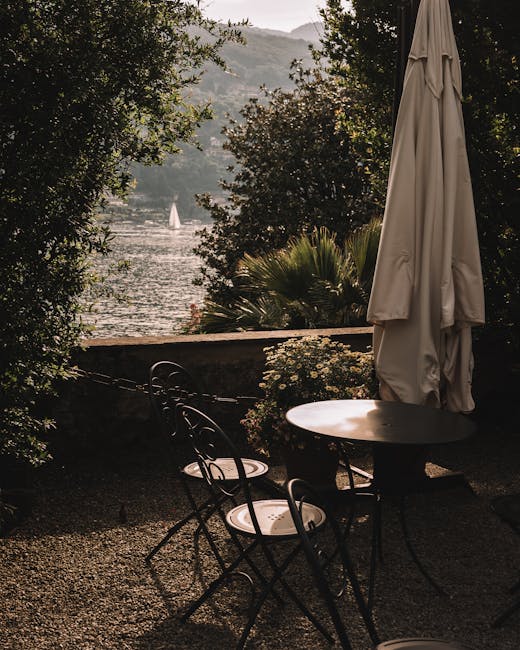
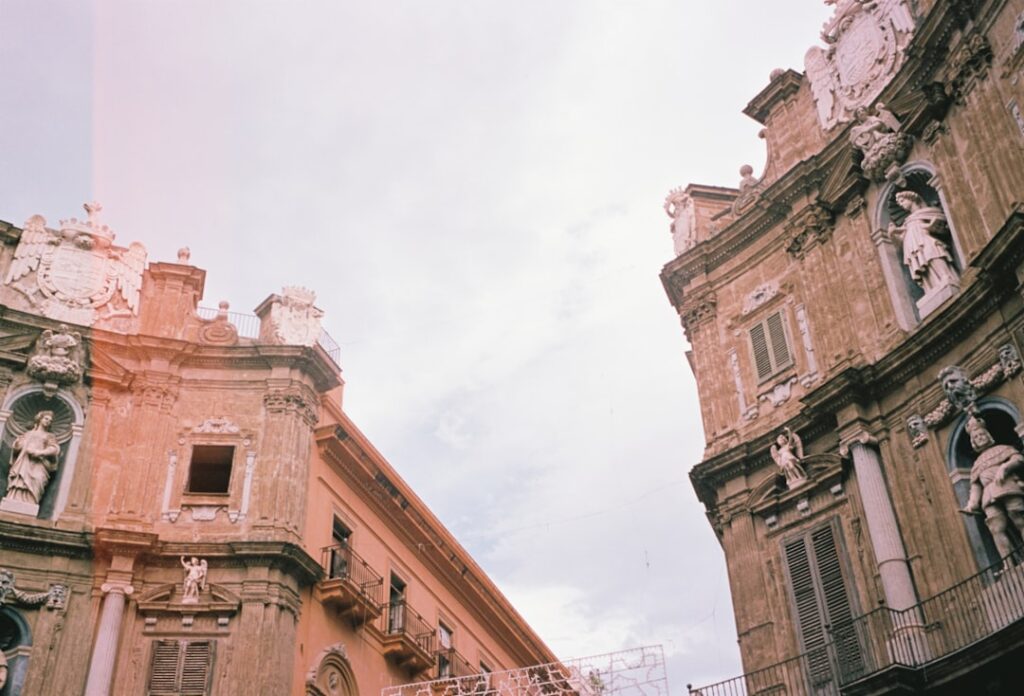
Lake Maggiore, its shimmering surface laid out between the Alps and the Lombard plain, is a natural stage where architecture and landscape meet with special grace. Among the styles that have left their mark on these shores, Baroque art occupies a prestigious and distinctive place: carved façades, theatrical staircases, terraced gardens and ornate palaces that seem to float above the water. Walking the promenades of Stresa or stepping ashore on the Borromean Islands feels like paging through a picture book where Baroque scenography was designed to be seen as much from the water as from land. The reflections of the palaces, the perspectives formed by colonnades and the play of shadows on façades create a constant dialogue between architecture and the liquid element.
This article offers an immersive route to help you understand and appreciate the Baroque « on the water » of Lake Maggiore. We’ll visit the key monuments — the Palazzo Borromeo on Isola Bella, the pavilions and gardens of Isola Madre, the hermitage of Santa Caterina del Sasso, plus lesser-known gems like the Rocca di Angera and some churches with Baroque altarpieces. Each site is described in detail: full name, exact address, opening hours, entrance fees in euros, and practical tips for photographing, getting around and enjoying the local experience. The aim is twofold: to give you practical information to plan your trip, and to convey the atmosphere — the small sensory details, the architectural perspectives, the light effects — that make the Baroque on Lake Maggiore so captivating.
Throughout the piece you’ll find recommendations to make the most of your visits (best times of day, boat access, combined tickets, photo viewpoints), as well as suggestions to deepen the immersion: waterside cafés, strolls through gardens and village markets where you can taste local specialties. We’ll stress the importance of perspective — a concept dear to the Baroque — and how architects and landscape designers sculpted views to surprise and delight visitors, especially from the lake’s surface.
Whether you’re an architecture buff, a photographer hunting dramatic compositions, an art history enthusiast or a curious traveler, this guide is a detailed companion to discover how Baroque ideas were imagined, adapted and enhanced by the presence of water. Pack your walking shoes, camera and curiosity: island-hopping between palaces, terraced gardens and secluded oratories promises fascinating discoveries, where every façade tells a story and invites you to see the lake as a stage lit by Baroque art.
Palazzo Borromeo and the Gardens of Isola Bella: Baroque Theater on the Water
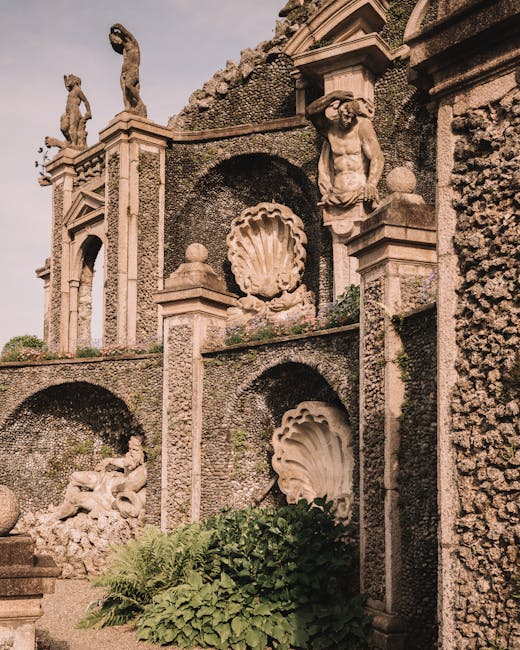
The Palazzo Borromeo on Isola Bella is probably the most spectacular example of Baroque architecture in the middle of Lake Maggiore. Located on Isola Bella, within the municipality of Stresa, the palace has belonged to the Borromeo family since the 17th century and was conceived as a staged experience: a succession of richly decorated salons adorned with stuccoes, frescoes and period furniture, opening onto terraces that step down in tiers toward the lake. The official address for reference is: Isola Bella, 28838 Stresa (VB), Italia. For boarding, the most convenient starting point is the Stazione Marittima di Stresa, Lungolago Marconi 8, 28838 Stresa (VB).
Opening times and prices: generally the palace and gardens are open from April to October. Typical hours: 9:30 AM–6:00 PM (varies by season; extended hours on some days in high season). Indicative prices: palace + gardens ticket around €18–€22 for adults, discounts for 65+, students and groups. Combined Isola Bella + Isola Madre tickets exist around €28–€32. It’s recommended to check the official Isole Borromee site or the Stresa tourist office for exact opening times and up-to-date rates.
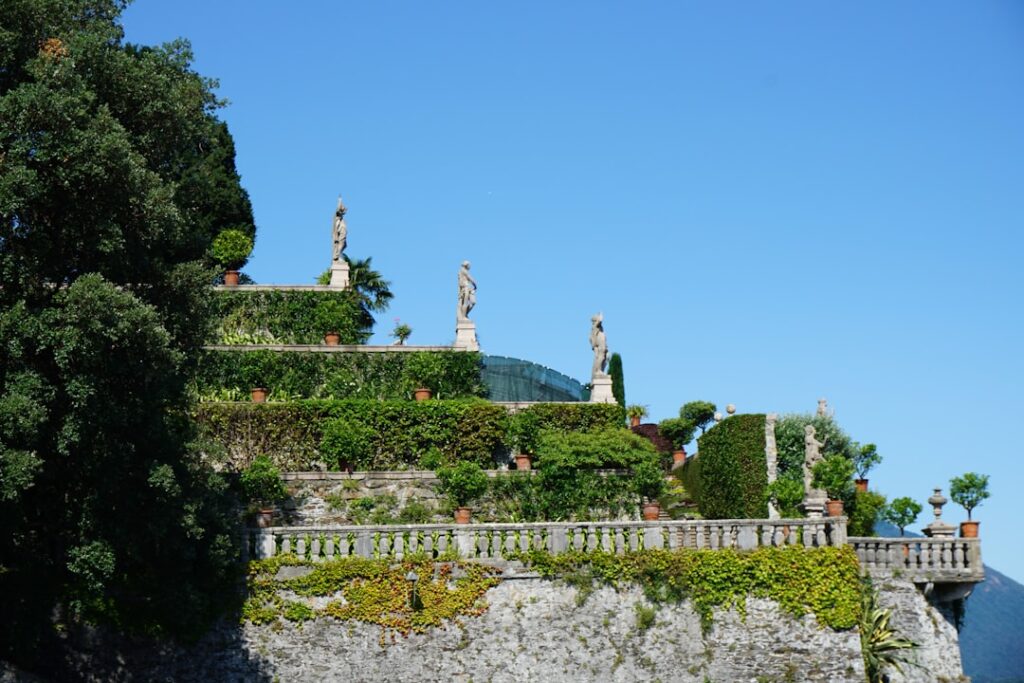
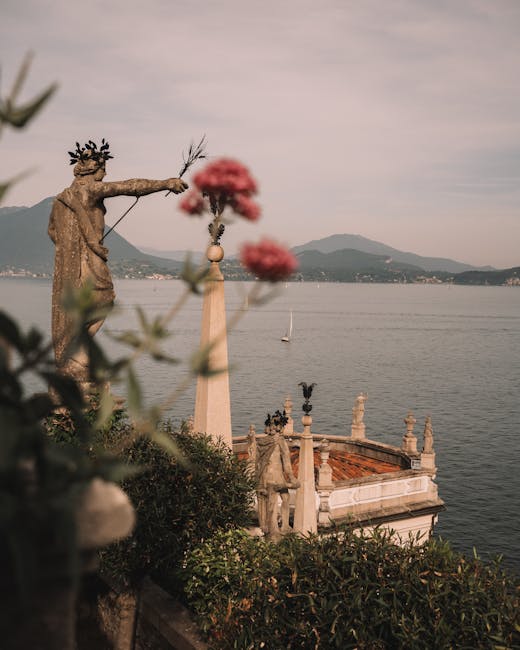
The palace unfolds into carefully composed perspectives: each room leads to the next like a theatre set, and the windows frame the lake like a living painting. The terraced gardens, populated with statues, pools and potted orange trees, spiral down to the island’s southern tip. The contrasting vegetation — laurels, cypresses and citrus — releases scents that mingle with the lake’s humid air. Baroque perspectives here play with axis and elevation: dramatic steps, enfilade views and statues positioned to catch the eye around every turn.
Practical tips: arrive early in the morning (9:30–10:30) to avoid crowds and get the soft light on the south façade. If you’re after the perfect photo, the golden hour at sunrise on the southern terraces gives warm reflections on the pools. Allow at least 2 to 3 hours to enjoy both the palace and the gardens. Public boats departing from Stresa run frequently (one-way around €8–€12 depending on distance), but for a more intimate experience, book a private shuttle or a small water taxi. Accessibility for visitors with reduced mobility is limited: some terraces and stairways aren’t wheelchair accessible; ask at the ticket office about adapted routes.
Isola Madre and Isola dei Pescatori: Baroque Variations and Lakeside Life
Just minutes by boat from Isola Bella are Isola Madre and Isola dei Pescatori (also called Isola Superiore). Each offers a different take on Baroque and its relationship to the water. Isola Madre (Isola Madre, 28838 Stresa, VB) hosts a stately villa surrounded by an English-style botanical garden, with decorative and architecturally refined elements that reflect an aristocratic taste flirting with both Baroque and Romantic sensibilities. Hours: generally 10:00 AM–6:00 PM (variable, check season). Prices: single-island visits around €12–€18; combined with Isola Bella around €28–€32.
The visit to Isola Madre is marked by winding paths, greenhouses and a collection of exotic birds that add a picturesque touch. The villa, less theatrical than Palazzo Borromeo but rich in historic décor and furnishings, helps you see how Baroque landscape ideas were domesticated in an insular setting. Views from the island’s belvederes open panoramic perspectives over the lake and neighboring façades, creating a staged-landscape experience where vegetation and architecture respond to one another.
Isola dei Pescatori provides a lively contrast: a still-inhabited fishing village, cobbled alleys, a small parish church and waterside fish restaurants. Useful address: Isola dei Pescatori, 28838 Stresa (VB). The Church of San Vittore (sometimes called Chiesa di San Vittore) contains decorative elements accumulated over the centuries, including altarpieces and gilding that borrow from the Baroque vocabulary. Island restaurants serve fresh fish dishes (lake fish, perch fillets) with mains typically ranging €15–€35 at the better-known establishments. Restaurant hours: usually open 12:00 PM–3:00 PM and 7:00 PM–10:00 PM in season.
Practical tips: combine the three-island visit by booking a circular ticket; this lets you enjoy a balanced round trip and avoid separate queues at the piers. On Isola dei Pescatori, pick a lakeside table to admire Palazzo Borromeo’s façade from a distance, especially at sunset. The best photos often include a traditional boat in the foreground to give human scale and romantic context to the Baroque setting. Bring a light rain jacket: the lake’s microclimate can produce quick showers even in summer.
Santa Caterina del Sasso and Sacred Scenography on the Lakeside Cliffs
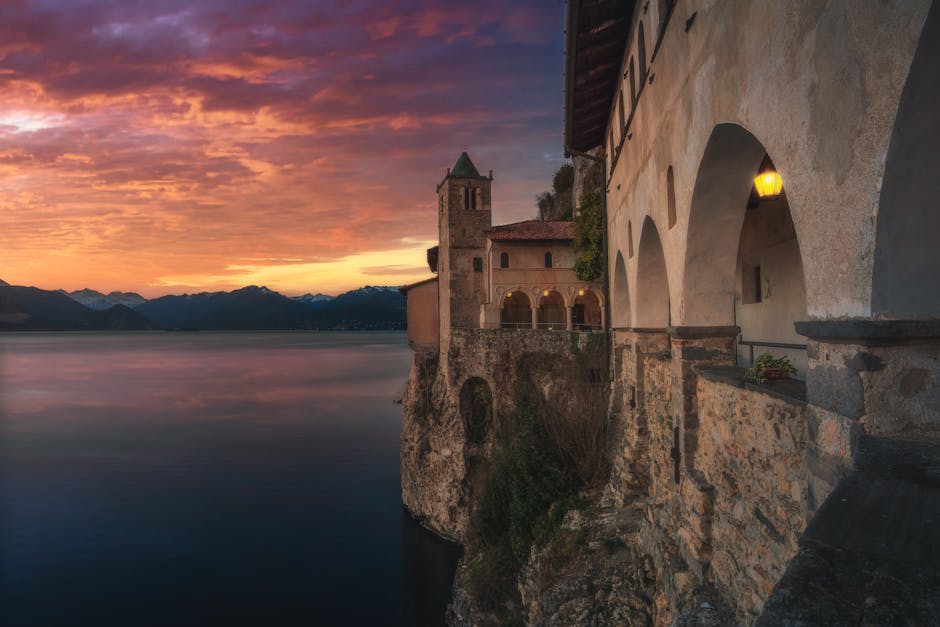
At the south-western tip of Lake Maggiore, the hermitage of Santa Caterina del Sasso is a spiritual complex that engaged with the landscape long before the Baroque peak, yet was enriched, restored and staged according to Baroque codes over the centuries. Address: Eremo di Santa Caterina del Sasso, Via Santa Caterina 1, 21010 Leggiuno (VA). This monastic complex is literally clinging to the cliff, overlooking the lake, and offers a dramatic experience of sacred perspective both from the water and from the opposite shore.
Hours and prices: the hermitage is typically open from 9:00 AM to 6:00 PM in season (hours vary off-season). Entrance fee: suggested contribution €5–€7 for access to the site and inner chapels; guided tours available on request (extra charge). Access is via a staircase from the upper parking or by an elevator/seasonal access road. From the quays at Laveno-Mombello or Porto Valtravaglia, you can reach Santa Caterina by boat, offering spectacular views of the frescoes and loggias that seem to emerge from the rock.
Architecturally, the power of the site lies in how each chapel is oriented toward the lake, acting as dramatic focal points. The interior altarpieces and frescoes display Baroque decorative interventions: gilding, carved frames and theatrical compositions influenced by Counter-Reformation piety that favored visual emotion. Visiting Santa Caterina lets you feel the Baroque in its spiritual dimension — art in the service of religious feeling, amplified by the natural setting, the sound of the water and the sheer rock face.
Practical tips: arrive by boat to experience the surprise as the hermitage gradually appears around a promontory. Quiet mid-afternoon hours are ideal for photography (soft lateral light) and contemplation. Wear non-slip shoes for the steps and coastal paths; the site can be damp. If you’re after a viewpoint on the opposite shore, head up to the Leggiuno belvedere (local GPS and signs point to the best access), especially during the golden hour for warm tones on the cliff and façade.
Rocca di Angera, Baroque Churches and Lesser-Known Lakeside Routes
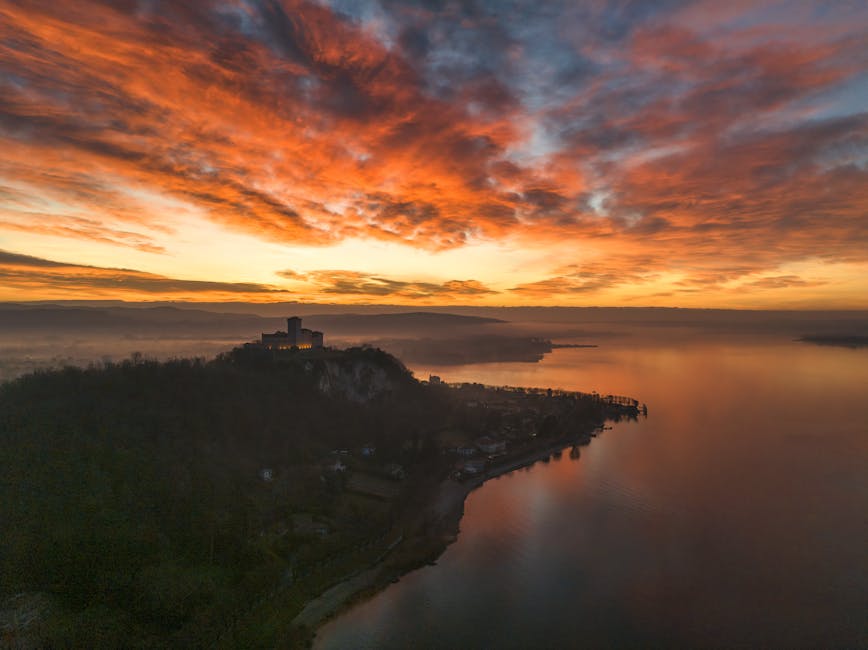
The Rocca di Angera (Castello Borromeo di Angera) is a medieval fortress in Angera on the southern shore of Lake Maggiore. Address: Piazza Castello 14, 21021 Angera (VA). Although its structure is mainly medieval, the Rocca preserves interiors and collections where the stylistic shift toward Baroque is visible in decorated rooms, chapels and loggias. Hours: usually open 10:00 AM–6:00 PM in high season; indicative castle entry prices €6–€10 depending on temporary exhibitions.
Nearby, several parish churches and sanctuaries along the lake feature remarkable Baroque altarpieces: Chiesa di San Vittore on Isola dei Pescatori, Chiesa dei Santi Giacomo e Filippo in Cannobio, and Chiesa di Sant’Ambrogio in Stresa. These places offer intimate encounters with religious Baroque: gilded altars, shadow plays and sculptural arrangements designed to draw the worshiper’s gaze toward dramatic devotion. Exact addresses of small churches vary, but most display mass times and opening hours at the local tourist office (Viale Vittorio Veneto 1, Stresa for the main office).
For architecture lovers, it’s recommended to plan a loop by boat or car linking Angera, Arona, Arona’s lakeside promenade (Lungolago Marconi, 28041 Arona NO), and west-shore villages like Cannobio (Piazza Risorgimento, 28821 Cannobio VB). Along these routes you can see how the Baroque adapted to different social contexts: grand residences, rural chapels and urban decorations. While you’re out, don’t miss small local bookshops for illustrated guides and old maps of the Borromeos and Baroque gardens.
Practical tips: if you’re visiting Angera and Arona, pair the Rocca visit with a tasting of local specialties: regional wines, alpine cheeses and lake fish prepared alla Milanese. Parking near the Rocca is paid in season (expect €2–€5 per hour depending on location); aim to arrive early to avoid heat and crowds. For architecture photography enthusiasts, the north side of the Rocca offers a fine perspective of the castle silhouette against the lake — try a telephoto lens to isolate stonework and battlement details.
Conclusion: Perspectives and Tips to Extend the Baroque Experience on Lake Maggiore
Exploring Baroque « on the water » at Lake Maggiore means accepting to see architecture in motion, from the shore but especially from the lake’s surface. The Borromeo palaces, island villas and gardens, cliffside hermitages and parish churches form a palette where Baroque appears sometimes in theatrical decoration, sometimes in the intimacy of an altarpiece. To get the most out of these visits, favor traveling by boat: the viewpoint from the water changes everything — it reveals sequences of façades, plays of reflection and lines of flight impossible to perceive from dry land.
Practically speaking, plan your movements around seasonal hours: high season (June–September) offers long days and more frequent boats but also bigger crowds; shoulder seasons (April–May and September–October) give softer light and a calmer atmosphere better suited to contemplation. Book tickets for Palazzo Borromeo and major shuttles in advance when possible, especially on weekends. Bring comfortable non-slip shoes, a light rain jacket and spare batteries for your camera — the panoramas and decorative details invite long photography sessions.
Finally, don’t neglect the lake’s culinary and human side: stop at lakeside trattorie (for example on Isola dei Pescatori or Stresa’s lungolago) to taste lake perch, risottos and local wines. Locals and guides often share anecdotes about the Borromeo family, palace restorations and historic uses of the lake that enrich the architectural reading. Respect visiting hours and site rules (not touching certain decorations or entering private garden areas) to help preserve these treasures.
Lake Maggiore’s Baroque reads like a theatre of multiple scenes: each stop, room or belvedere offers a new staging. By combining attention to architectural details (stuccoes, frescoes, statues), an understanding of Baroque perspective devices and sensitivity to lacustrine atmospheres — morning mist, sparkling sunlight, rustling leaves — you’ll live an experience where art and nature answer one another brilliantly. To extend your itinerary, consider excursions to Lugano or the nearby Alps, or join themed guided tours (historic gardens, Borromeo history, architectural photography). Well equipped, you’ll leave with a renewed sense of Baroque: not a fixed style, but a living way to enchant the landscape and frame the view, especially when it reflects, stands out and continues across the grand stage of Lake Maggiore.