






Introduction: Baroque palaces and gardens around Lake Maggiore
Lake Maggiore, sitting on the border between Lombardy and Piedmont, is a string of watery landscapes, picturesque islands and historic villas that have drawn aristocrats, artists and botanists since the 17th century. Among these treasures, the baroque-inspired palaces and gardens stand as living testimony to an era when architecture and horticulture were used to amplify power, taste and scientific curiosity. Between carved façades, geometric groves, floral parterres and theatrical sightlines, each site delivers a richly coded sensory experience — light, water, stone and plant life combine to create almost staged scenes.
This practical guide, written for the curious and discerning traveller, takes you on an in-depth tour of the major baroque heritage sites around Lake Maggiore. You’ll find detailed descriptions of the places, exact addresses, practical information (hours, prices in euros), tips on the best times to visit and sharp observations to help you get the most from each site. The focus isn’t only historical: it aims to recreate the atmosphere of French- and Italian-influenced gardens, the polychrome sculptures, water features and architectural devices designed to surprise visitors.
The destinations we explore here — including the iconic Isola Bella and its Palazzo Borromeo, the lush beds at Villa Taranto, the tree-lined promenades of Villa Pallavicino and the intimate calm of Villa San Remigio — offer local variations on the baroque language. Some are the result of direct aristocratic intervention (like the Borromeo family on the Borromean Islands), while others stem from a 19th-century botanical passion fueled by the introduction of exotic species. The guide also includes practical recommendations: how to plan boat trips from Stresa or Verbania, which times of year to favor for peak blooms, which routes to avoid in high season and how to be mindful of the conservation needs of these historic gardens.
As a preliminary note, practical details (prices, opening hours) are indicative and may change with the season or local rules. We nevertheless list commonly applied rates and usual variants (reduced fares, free admissions). The goal is to make you self-sufficient: you’ll be able to prepare your visits, book tickets when needed, and fully enjoy Lake Maggiore’s baroque riches while respecting the sites and local communities.
Isola Bella — Palazzo Borromeo and its theatrical gardens
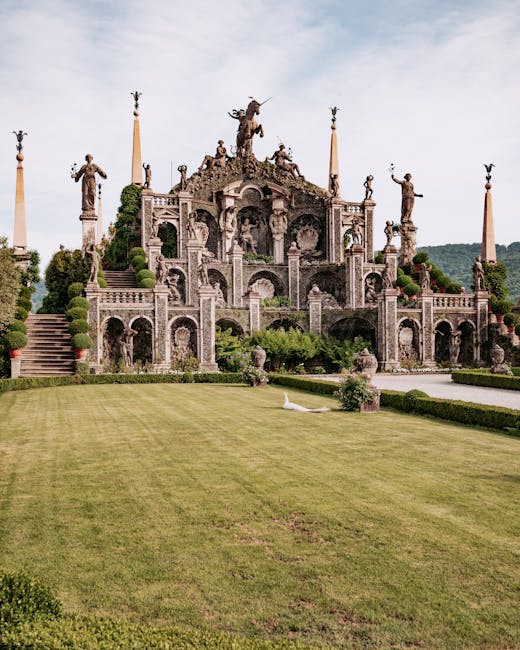
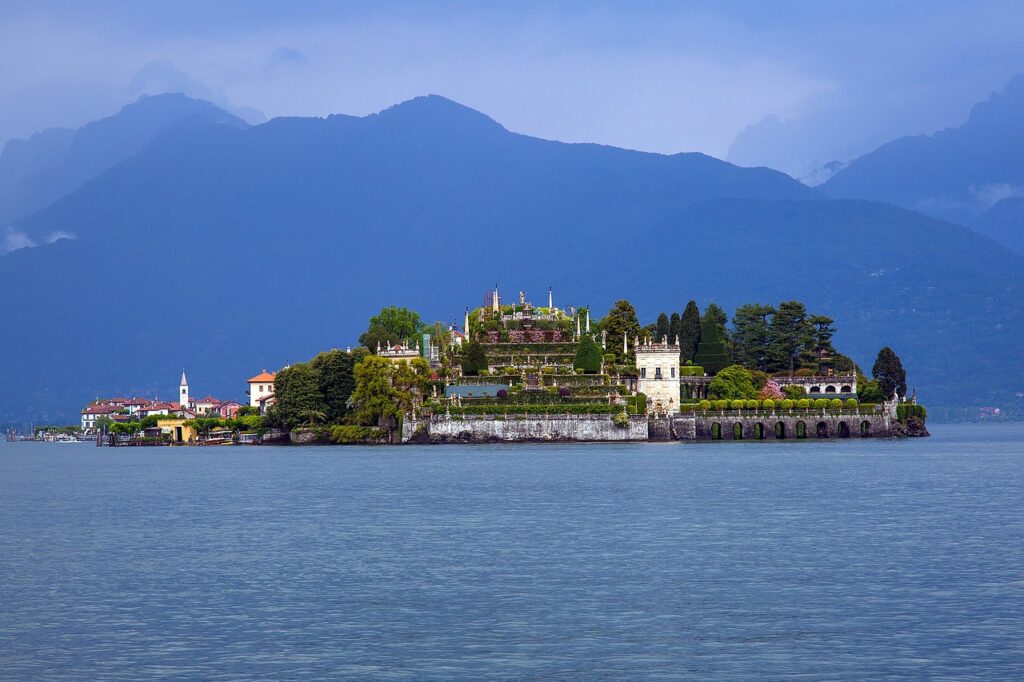
Isola Bella, one of the famous Borromean Islands, is often regarded as the quintessence of lake-side baroque. The Palazzo Borromeo (Isola Bella, 28838 Stresa VB, Italy) has dominated the island since the 17th century. Built by the Borromeo family to impress and entertain, the palace blends richly decorated salons with sculpted terraces that step down toward the water. The official address is simply: Isola Bella, 28838 Stresa VB, Italy — access is mainly by boat from Stresa, Verbania or other lake ports.
Prices and hours (indicative):
- Adult ticket: €16.00 (combined Palace + gardens entry)
- Reduced: €13.00 (youth, seniors — with ID)
- Children: free or child rate depending on season (0–6 years usually free)
- Opening hours: April to October: 09:00 – 18:30; November to March: reduced hours 10:00 – 16:00 (check before you travel)
The visit usually begins with the ascent through the landscaped terraces: staircases adorned with allegorical statues, artificial grottos, symmetrical parterres and reflecting pools. Sightlines are designed to surprise — framed views toward the mountains, fountains placed to catch morning or evening light. Inside, the apartments of Palazzo Borromeo reveal painted ceilings, tapestries and period furnishings; the sequence of rooms also shows how power was expressed through domestic décor and staged scenography.
Practical tips: to avoid the crowds, take an early boat from Stresa (first departures around 09:00); morning light enhances the statues’ reliefs and the cooler air makes the walk more pleasant in hot weather. Photographers should scout the southeast terrace for backlit shots of the palace and the lake. Bring comfortable shoes: there are many slopes and steps. Finally, respect protected areas within the gardens to avoid damaging the historic beds.
Villa Taranto — a botanical garden at a cultural crossroads
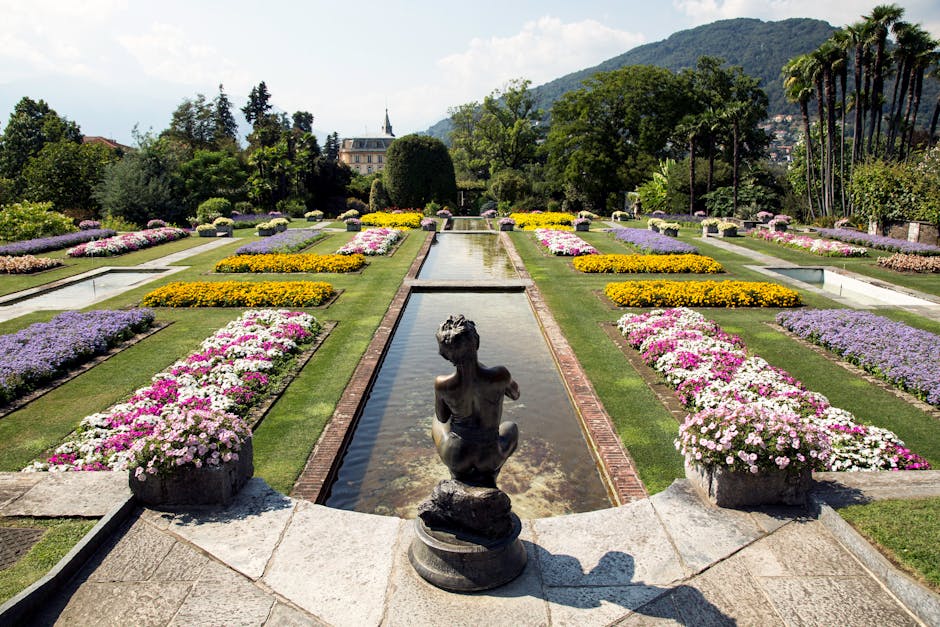
Villa Taranto is located in Verbania-Pallanza: Viale Giovanni Bego 3, 28922 Pallanza, Verbania VB, Italy. Unlike purely aristocratic baroque gardens, Villa Taranto (created in the 20th century by Major Neil McEacharn from Scotland) reflects a botanical passion that borrows from and reinvents formal principles. You’ll find structured beds, groves and symmetrical avenues inspired by classical compositions, combined with exotic plant collections and lush floral displays.
Prices and hours (indicative):
- Adult ticket: €12.00
- Reduced: €9.00 (students, seniors)
- Children: free or reduced depending on age
- Opening hours: March – October: 08:30 – 18:30; November – February: reduced hours (check the official site)
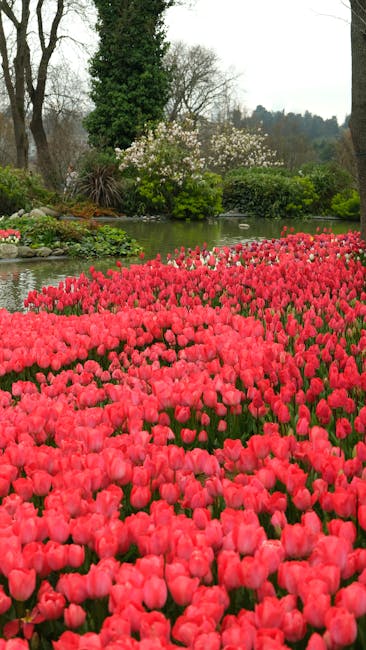
Villa Taranto is famous for its spectacular flower beds (tulips in spring, azaleas and rhododendrons in May-June) and for the taxonomic richness of its collections. The visitor route follows crisp lines: pools, statues, pergolas and composed views that read like paintings. Rock gardens, waterlily pools and tree-lined avenues hosting rare specimens create perfect settings for botanical observation and photography.
Practical tips: don’t miss the informational panels that identify species; they’re invaluable for plant lovers. Allow 2 to 3 hours for a relaxed visit: there are many paths and plenty to explore. Horticulture enthusiasts should check out the greenhouses and ask about themed guided tours (sometimes offered in high season). Combine the visit with a short boat ride or drive along the lakeshore to enjoy the lakeside panoramas.
Villa Pallavicino — a wildlife park and romantically inspired gardens
The Parco Villa Pallavicino is located in Stresa: Via Vittorio Veneto 16, 28838 Stresa VB, Italy. Built in the 19th century on the model of romantic landscape parks, it still retains formal elements that recall baroque aesthetics: promenades, structured groves and belvederes. Today the park combines historic gardens, a small collection of mammals and birds (a mini wildlife park) and shaded promenades that appeal to families and lovers of landscape history.
Prices and hours (indicative):
- Adult ticket: €12.50
- Reduced: €9.00 (children 3–12: reduced fares)
- Opening hours: April – September: 09:30 – 19:00; October – March: reduced hours (10:00 – 17:00)
The park is distinguished by lawns, tree alignments and viewpoints overlooking the lake. While romantic touches prevail, you’ll also find orderly beds, sculptures and water features that recall baroque influences, especially in the way nature is staged to inspire wonder. The park’s educational trail tied to the wildlife collection lets visitors appreciate the dialogue between culture and nature: aviaries, enclosures and ponds are integrated into the landscape fabric without breaking the historical harmony.
Practical tips: the park is especially pleasant in the morning and late afternoon, when the light on the lake is soft. If you’re travelling with family, plan 1.5 to 2 hours for a combined gardens + wildlife park visit. The site is reachable by boat from Stresa; Stresa train station is a short walk away. Bring water and a hat in summer: there’s plenty of shade but days can be hot.
Villa San Remigio — a small island of calm and intimate baroque detail
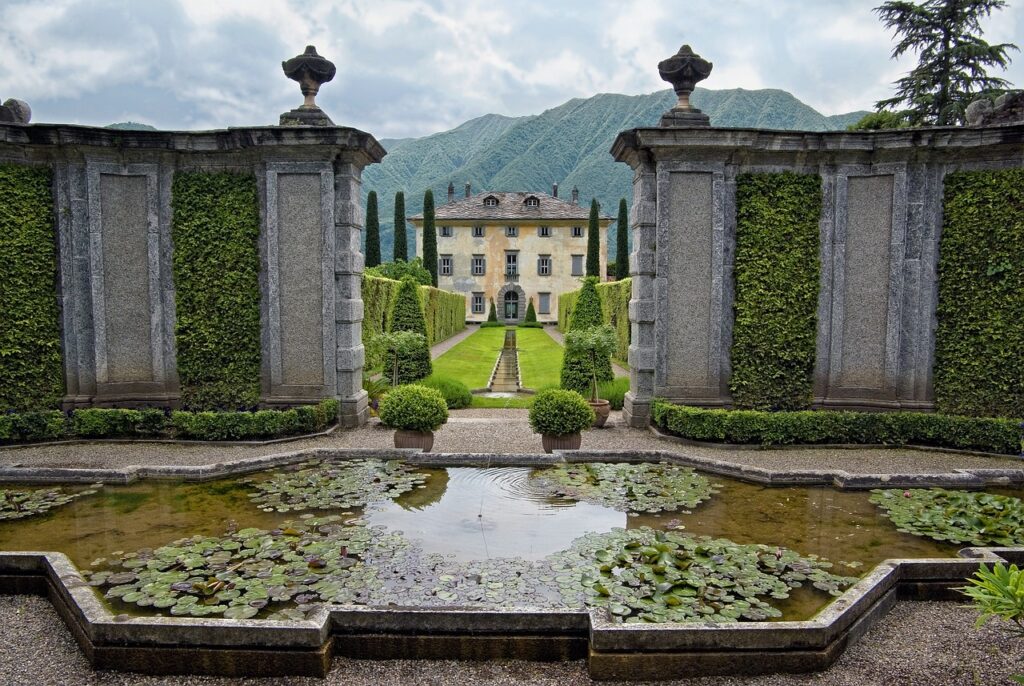
The Villa San Remigio is located in Pallanza, in the municipality of Verbania: Via San Remigio 1, 28922 Pallanza, Verbania VB, Italy. Less famous than the larger Borromean islands, San Remigio offers a more intimate, contemplative experience, where elegant architecture converses with enclosed gardens, pergolas and olive trees. Designed around the turn of the 20th century but inspired by historic models, the villa and its gardens radiate a Mediterranean atmosphere softened by baroque touches in motifs, balustrades and perspective management.
Prices and hours (indicative):
- Garden entry: €6.00 – €8.00 (varies with temporary exhibitions)
- Guided tours: €10.00 – €15.00 (often by reservation for interior visits)
- Opening hours: tourist season: 10:00 – 18:00; off-season: visits by appointment
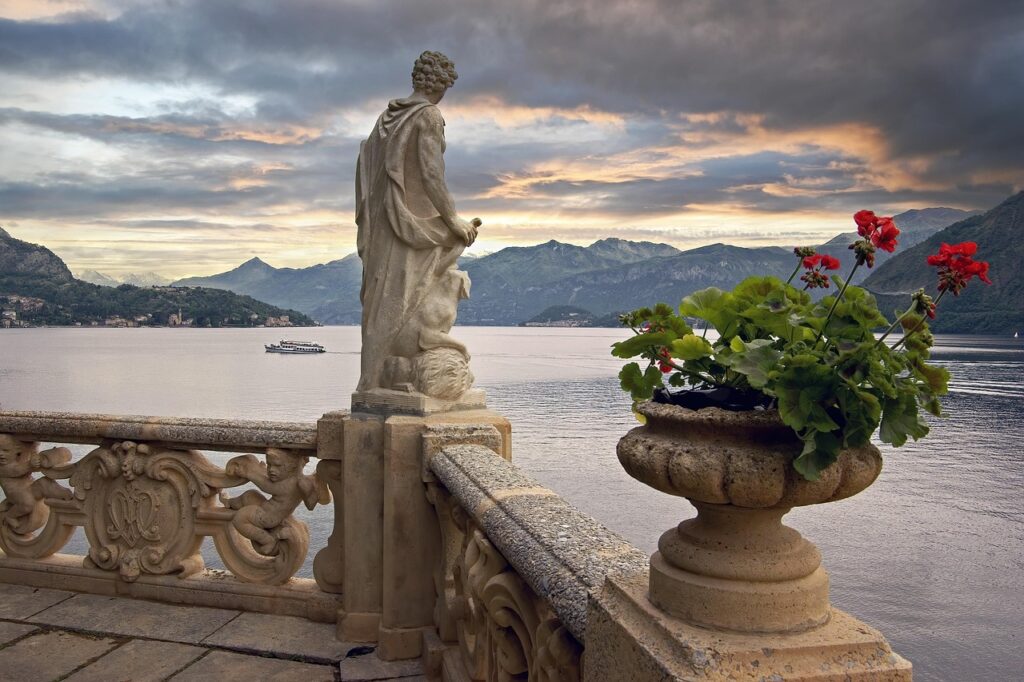
Villa San Remigio stands out for the precision of its plant compositions, shaded walkways and intimate viewpoints over the lake. The garden is divided into enclosed compartments, includes a small landscape theatre and offers quiet spots for reading or photography. The villa’s balconies and loggias provide privileged frames for island views and passing boats. Architecturally, the villa mixes neoclassical elements with baroque details in window surrounds and ironwork.
Practical tips: San Remigio is ideal for a quiet stop after visiting the busier islands. It’s perfect for those who appreciate understated botany, readers and photographers seeking intimate compositions. Check access conditions for the interiors, as some rooms are only open during exhibitions or guided visits. Parking in the Pallanza area is limited; consider arriving by bus or boat from Verbania.
Logistics and best practices for your visits
Planning a tour of baroque heritage around Lake Maggiore requires some organisation: boat schedules, tourist peaks, weather and ticket purchases. Here are practical recommendations to optimise your time and respect these heritage sites:
- Book ahead: for Isola Bella and the main summer sites, buy tickets online when possible, especially in July and August; boat crossings from Stresa often sell out.
- Pick off-peak hours: the first morning boats and late afternoons are less crowded and offer beautiful light; at midday gardens are usually busy.
- Clothing and gear: comfortable shoes, water, sunscreen and a lightweight windbreaker are strongly recommended; slopes and stairs are common.
- Photography: respect drone bans and avoid heavy tripod use if it disturbs other visitors; for interior shots, some rooms in Palazzo Borromeo may restrict photography.
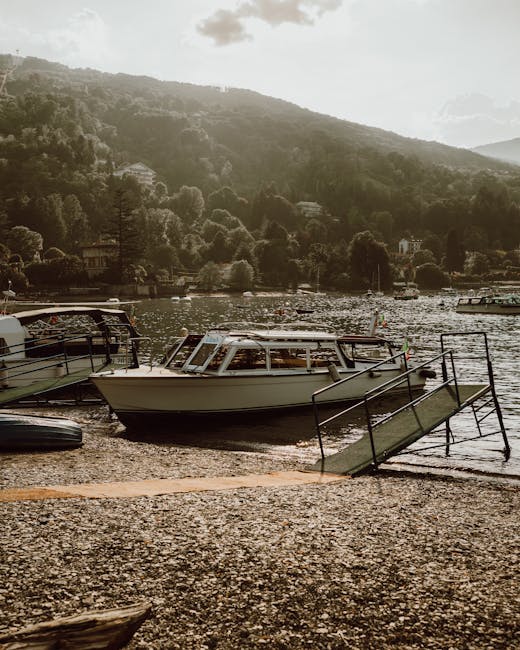
- Transport: the regular boat lines between Stresa, Verbania and the islands (official lake companies) are convenient; keep printed timetables as frequency varies by season.
- Respect the heritage: never pick flowers, don’t touch sculptures and obey barriers; these gardens are living and fragile organisms.
To make the most of your time, combine morning visits with relaxed afternoons: a coffee in Stresa, a boat crossing to Isola Bella, then a stroll at Villa Taranto or a quieter afternoon at Villa San Remigio. Local tourist offices (Stresa Tourist Office — Piazza Marconi, 1, 28838 Stresa VB; Verbania Tourist Office — Piazza Garibaldi, 17, 28922 Verbania) can provide updated schedules and printed maps.
Conclusion: Between historical memory and living gardens
The baroque palaces and gardens around Lake Maggiore embody a fruitful meeting of architecture, landscape and horticulture. They offer contemporary visitors a twofold reading: a historical view of power staging itself, and a living view of cultivated spaces maintained and adapted to changing tastes over the centuries. Isola Bella and Palazzo Borromeo personify baroque theatricality with their sculpted terraces and calculated perspectives. Villa Taranto shows how botanical passion can reinterpret formal devices, while Villa Pallavicino and Villa San Remigio present more intimate, poetic takes on the landscape vocabulary.
Visiting these sites means learning to read the juxtaposition of stone and plant, appreciating the role of water as a structuring element, and understanding how outdoor spaces have served as symbolic and scientific tools through the centuries. In practice, the key to a successful visit lies in good preparation: check opening hours, favour less crowded times, follow local rules and take the time to observe. These gardens are living works: their splendour depends as much on the dedication of gardeners as on the care of visitors.
Finally, don’t forget to take in Lake Maggiore as a whole: alternate major sites with detours to small churches, lakeside walks and local trattorie where Piedmont and Lombardy flavours complete the sensory discovery. The baroque palaces and their gardens are a precious heritage, both monumental and fragile; they invite exploration with curiosity, patience and respect. Whether you love architecture, history or botany, Lake Maggiore offers a rich, nuanced palette of discoveries — plan your trip, let yourself be surprised and come back: each season reveals a new facet of these historic gardens.