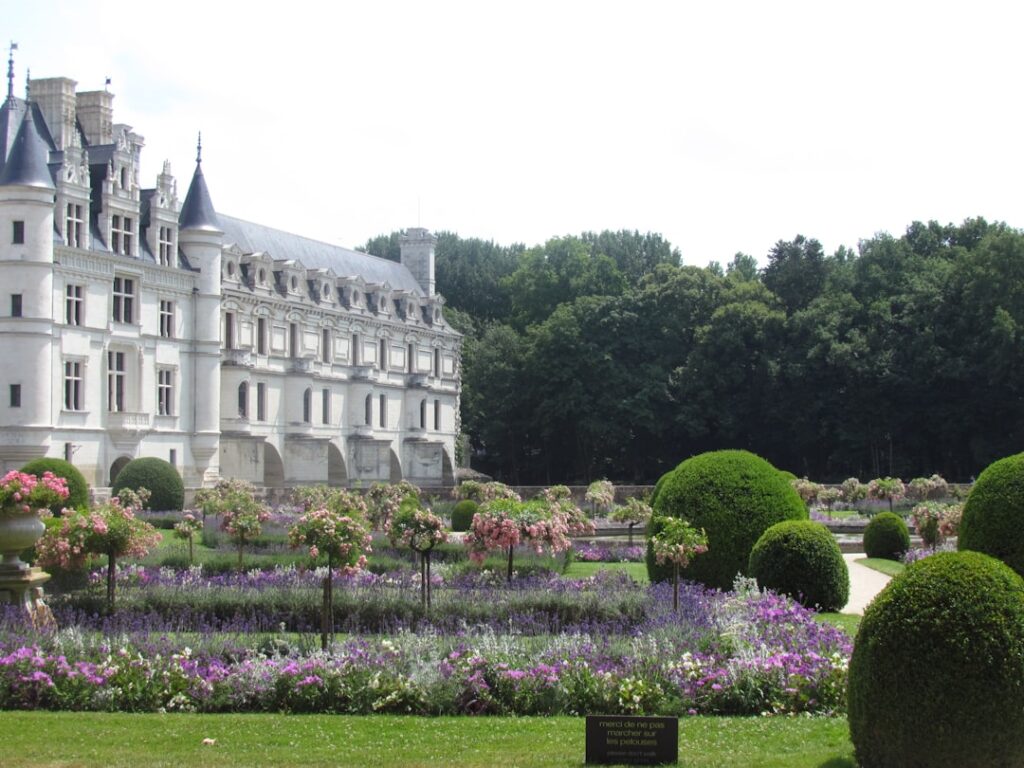






Introduction: Lake Maggiore’s Baroque Gardens and Their Botanical Treasures
Over the centuries, Lake Maggiore — where the Po plain meets the foothills of the Alps — has drawn aristocrats, botanists and curious travelers. Its shores, softened by a high-altitude Mediterranean climate, gave rise to exceptional gardens where Baroque aesthetics blend with plant palettes that are often tropical or subtropical. The baroque gardens around Lake Maggiore are more than staged landscapes: they’re living conservatories where rare plants grow, some centuries old, relics of distant imports and horticultural experiments carried out by noble families, missionaries and enlightened collectors.
When we talk about rare plants in these gardens, we mean both exotic species that have acclimatized (palms, giant agaves, primitive cycads) and unique cultivars, heirloom varieties of camellias and citrus, as well as collections of alpine plants planted in protected microclimates. The baroque gardens of Lake Maggiore — like those around Palazzo Borromeo on Isola Bella, the sculpted terraces of Villa Taranto in Verbania, or the park of Villa Pallavicino in Stresa — stage botanical spectacles where human history and plant history echo each other. Every path, every copse, hides a story: a palm planted for a princely wedding, a greenhouse turned refuge for threatened species, an oleander centuries old that tells of horticultural fashions from a bygone era.
Exploring the rare plants of Lake Maggiore’s baroque gardens means understanding how cultivated ecosystems can preserve biodiversity while offering rich sensory and cultural experiences. It also means learning to read the clues left by gardeners of old: stone terraces, reflecting pools, Baroque statuary, pergolas that shelter from winds and create microclimates favorable to vegetation that’s unusual for this latitude. This article offers a detailed, practical immersion in these gardens — exact addresses, opening hours, indicative prices, immersive descriptions of the rare species to look for, and local tips for photographing, gardening and respecting these historic sites.
Before you go, keep in mind that preserving these gardens is an ongoing effort. Site management and botanical associations run conservation programs, seed exchanges and taxonomic research. Following garden rules, sticking to marked paths and joining guided tours not only enriches your visit but also helps support protection of these botanical treasures. In the sections that follow, we’ll explore site by site the rare plants you shouldn’t miss around Lake Maggiore, with practical information and tips to help you make the most of these green havens.
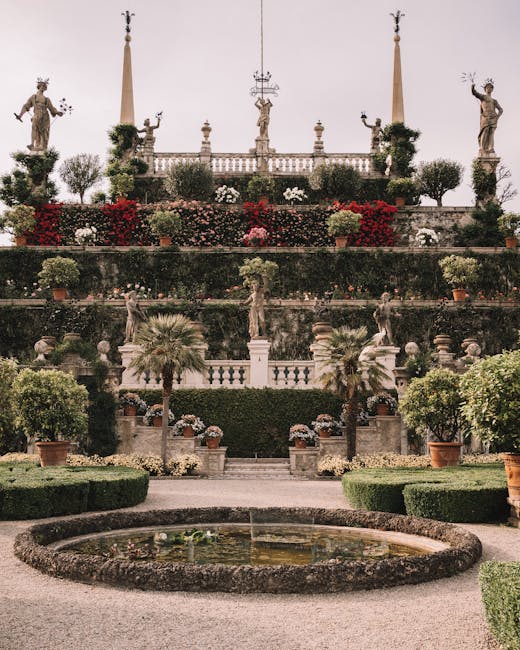
Isola Bella — Palazzo Borromeo: Baroque Terraces and Exotic Plants
Isola Bella is arguably one of Lake Maggiore’s most iconic images. Dominating the island is Palazzo Borromeo, surrounded by terraced Baroque gardens designed in the 17th century by the Borromeo family. Symmetrical paths, sculptures and pools create a theatrical setting for astonishing plant collections. You’ll find Washingtonia and Phoenix palms, aged cycads, vivid oleanders and — in microclimates sheltered by the walls and the island’s southeast exposure — century-old citrus trees (Citrus sinensis and Citrus limon) that still produce fragrant fruits.
Address: Isola Bella, 28838 Stresa (VB), Italy. Access: boat from Stresa (main pier). Indicative prices: round-trip boat ticket Stresa–Isola Bella roughly €18–25 depending on season; combined entry to the Palazzo Borromeo and gardens about €15 (2024 rates indicative). Opening hours: high season (April–October) typically 09:00–18:30; reduced hours off-season. It’s strongly recommended to check exact times and combined-ticket options on the official Isole Borromee website before you go.
Immersive description: walking up the terraces, you’re struck by the juxtaposition of formal Baroque design and lush exotic growth. The geometric parterres contrast with beds of camphor trees (Cinnamomum camphora) and plantings of Strelitzia reginae (bird of paradise) when the microclimate allows. The focal point is the large fountain at the base of the terraces, where palm reflections create an almost tropical atmosphere. Rare plants to watch for: Cycas revoluta (often centuries old), Phoenix dactylifera (smaller date palms that have acclimatized) and old cultivars of Camellia japonica brought from Asia through botanical exchanges in the 17th–19th centuries.
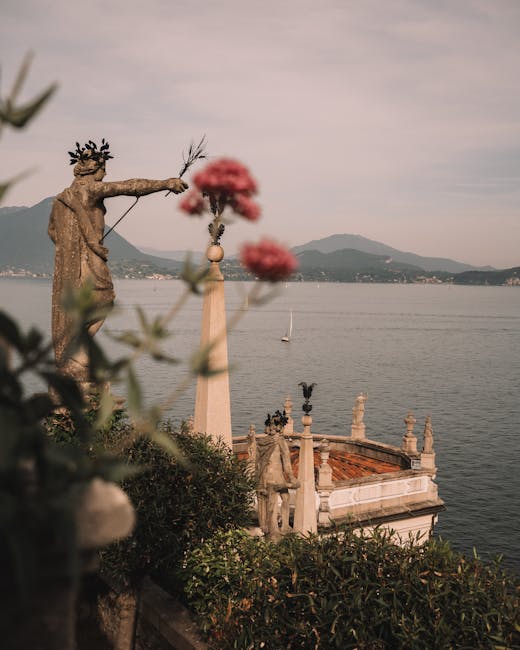
Practical tips: aim for the first hour after opening to avoid crowds and enjoy soft morning light on the facades. Paths are sloped — wear comfortable shoes. Photographers will appreciate the backlight in the morning and the lake view from the upper terrace. Note: access to some sculptures and beds is forbidden — respect barriers to avoid damaging shallow roots.
Villa Taranto, Verbania — Botanical Collections and Rare Alpine Species
Villa Taranto, on Lake Maggiore’s western shore in Verbania-Pallanza, is famous for the botanical garden founded by Scotsman Neil McEacharn in the 1930s. Villa Taranto blends a disciplined landscape composition with an outstanding scientific collection: rare rhododendrons and azaleas, greenhouses housing subtropical plants, and beds of tulips and peonies in historic varieties. The park’s topography creates microclimatic pockets where some alpine and Mediterranean species thrive side by side.
Address: Villa Taranto, Via Vittorio Veneto, 1, 28922 Verbania (Pallanza) VB, Italy. Indicative prices: entry about €12–15 (full price, 2024 season). Opening hours: high season (April–October) 08:30–18:00; partial closures late season. Villa Taranto recommends buying tickets online during busy periods.
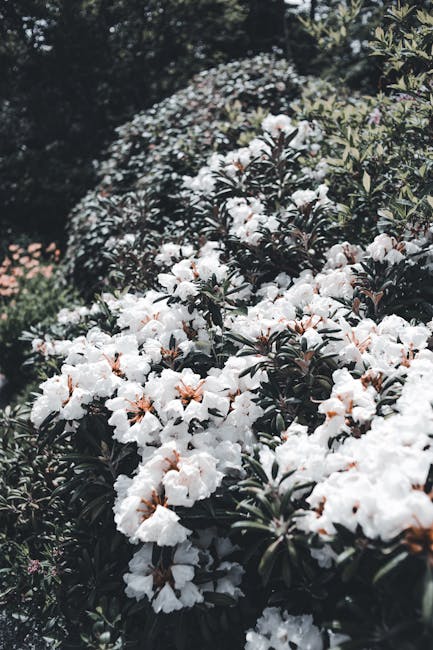
Immersive description: from the entrance, visitors are welcomed by shady avenues and beds of intense color; the water-lily pond, edged with horsetails and primula beds, provides a mirrored surface that multiplies perspectives. Among the rare plants, note unique rhododendron hybrids, collections of historic magnolias and rare conifer species introduced by McEacharn. One often-cited treasure is the remarkable collection of irises and tulips, planted in seasonal displays that draw visitors from around the world in spring.
Practical tips: to see rhododendrons in full bloom, plan your visit for May–June; tulip displays peak in April. Paths are well marked but can be muddy after rain — waterproof shoes are a plus. The garden offers themed guided tours (paid) that explain horticultural introductions and conservation programs; check the welcome desk for times and prices of guided tours.
Villa Pallavicino, Stresa — Animal Park and Baroque Botanical Relics
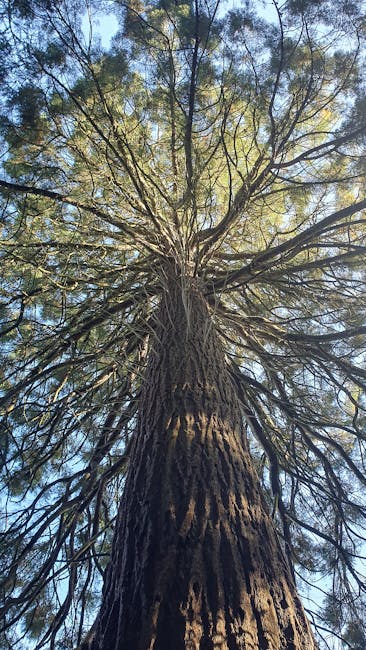
The park at Villa Pallavicino in Stresa combines a small animal park with a romantic, Baroque-style garden where rare plants benefit from a sheltered exposure. Designed in the 19th century, the park features large exotic trees — notably sequoias and palms — as well as citrus specimens and Mediterranean plants planted long ago by the owning family. The site is prized for its intimate atmosphere and botanical surprises, like agave groves and ornamental acanthus near antique statues.
Address: Villa Pallavicino Park, Lungo Lago Marconi, 1, 28838 Stresa (VB), Italy. Indicative prices: park + animal park entry about €10–13 (full price, 2024 season). Opening hours: generally 09:00–18:00 in high season; reduced hours off-season. The park encourages family visits and provides informative panels about the species present as well as educational activities for children.
Immersive description: the walk winds between dense groves and open clearings overlooking the lake. Giant sequoias create a vegetal cathedral, while groups of aloes and agaves, sometimes decades old, punctuate sunny corners. Among the rare plants, look for old citrus cultivars beneath southern canopies of buildings, and collections of irises. With its educational mission, the park highlights the history of botanical introductions and the trade networks that brought these exotic plants to Italian shores.
Practical tips: the park is family-friendly; allow an hour to two for a leisurely visit. Lakeside areas offer superb viewpoints to photograph palms silhouetted against the water. If you’re into botany, ask for a park map at the welcome desk — it points out notable species and remarkable trees.
Hidden Collections and Conservation Practices: Herbaria, Greenhouses and Plant Exchanges
Beyond the best-known gardens, the Lake Maggiore area hosts private gardens, greenhouses and conservation programs that play a crucial role in safeguarding rare plants. Local institutions sometimes collaborate with botanical universities and European botanic gardens to maintain seed banks, herbaria and reference cultures. These initiatives are vital for the survival of alpine endemics and historical introductions that no longer exist in the wild elsewhere in Italy.
Concrete examples: Villa Taranto has a history of propagation and exchanges, while naturalist associations in Verbania and Stresa conduct floristic inventories and seed swaps. Private greenhouses along certain villas preserve collections of heirloom citrus (for example Citrus bergamia — bergamot, also valued for its essential oil) and rare orchids. Municipal conservatories and local botanical labs also work on vegetative propagation of threatened plants, notably vulnerable alpine species that benefit from trials in protected beds.
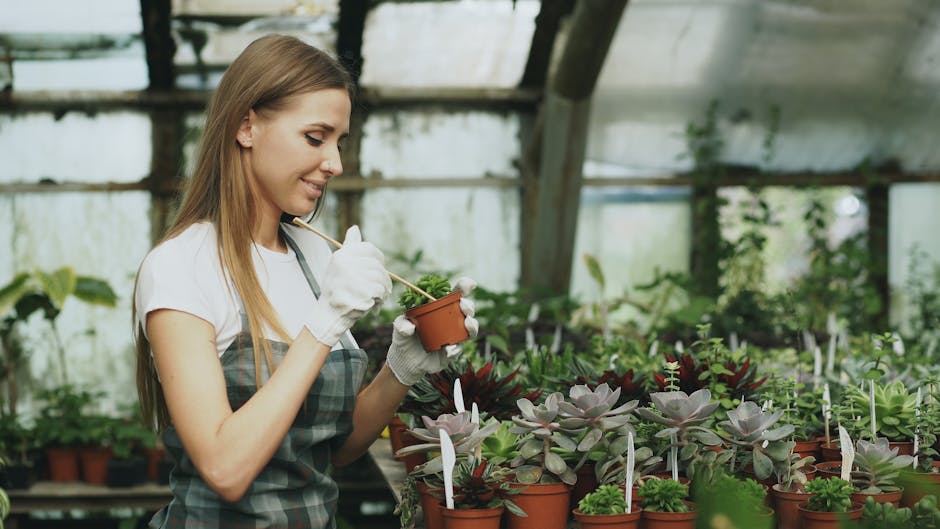
What this means for visitors: several sites offer themed guided tours focused on botany, sometimes with live demonstrations of grafting, cuttings and sowing. These workshops are paid and often require reservation — prices vary (for example €10–30 for a one- to two-hour workshop) and are announced periodically by the parks. Joining these workshops is a great way to deepen your knowledge, take home techniques for cultivating rare plants in temperate climates, and financially support conservation programs.
Practical tips: if you want to support conservation, ask about tree- or species-sponsorship programs (some sites accept donations starting at €25). Before buying plants or seeds on site, always verify origin and compliance with phytosanitary rules (certificates may be required to export seeds outside the EU). Finally, follow gardeners’ instructions: don’t pick, don’t enter fenced areas and avoid bringing foreign plants or substrates that could introduce disease.
Practical Tips for Photographing and Observing Rare Plants on Lake Maggiore
Photographing the rare plants of the baroque gardens requires a respectful approach: these plants can be fragile and some species are protected. Here are precise recommendations to maximize your chances of getting great shots and enjoying a rewarding experience without harming the collections.
Gear and technique: a macro lens or a 50–100 mm will let you capture flower details (stamens, petals, textures), while a moderate wide-angle (24–35 mm) is ideal to show the relationship between Baroque architecture and vegetation. Use low-angle morning or late-afternoon light for saturated colors and soft shadows. If shooting inside greenhouses, favor moderate ISO to avoid noise and a fast enough shutter speed; a tripod can help but is often prohibited in busy spaces — check local rules.
Best times to visit: spring (April–June) for camellias, rhododendrons and tulip blooms; autumn for foliage tones and citrus ripening. In summer, greenhouses offer cool refuges and exotic flowers in full bloom. Always arrive early to enjoy gardens in morning light and with fewer visitors.
Ethics and rules: obey information signs and barriers, don’t water plants or move soil, and leave no litter. Don’t pick flowers or leaves, and avoid using flash so as not to stress sensitive species (orchids, pollinating butterflies). If you plan to photograph for commercial use, request authorization from garden management.
Local practical tips: bring small change for tickets and facilities (toilets are often at the entrance), a reusable water bottle (refill points may be available), and sturdy shoes for cobbles and stone steps. If you travel by boat, check the crossing schedules from Stresa, Verbania or Laveno-Mombello — local companies offer day passes that can be cost-effective if you plan to visit multiple islands and gardens.
Conclusion: Preserving and Celebrating Lake Maggiore’s Botanical Treasures
Lake Maggiore’s baroque gardens are places of memory and biodiversity: they tell the story of global botanical exchanges, the horticultural passions of families and patrons, and humanity’s ability to create microclimates welcoming to plants from afar. From Isola Bella and its Palazzo Borromeo to the more scientific collections of Villa Taranto and the intimate park of Villa Pallavicino, each site offers rare species and unique atmospheres worth exploring and respecting.
Favor a respectful visit, check up-to-date hours and prices (the figures quoted in this article are indicative for 2024) and, when possible, take part in conservation programs to help ensure these gardens endure. As a traveler, bring a curious and considerate attitude — ask gardeners questions, join guided tours and workshops — to enrich your experience and that of the teams who care for these sites. These gardens aren’t static museums: they’re living organisms, continually shaped by climate, horticultural practice and scientific research.
Finally, whether you’re a photographer, amateur botanist or casual stroller, take time to observe: a camellia leaf, the venation of a cycad, an old citrus fruit or the structure of a sequoia trunk can reveal fascinating stories. Leave with images, knowledge and, ideally, a desire to support local conservation — by donating, buying certified seeds responsibly or spreading good practices. That way, the botanical treasures of Lake Maggiore’s baroque gardens will continue to amaze future generations.