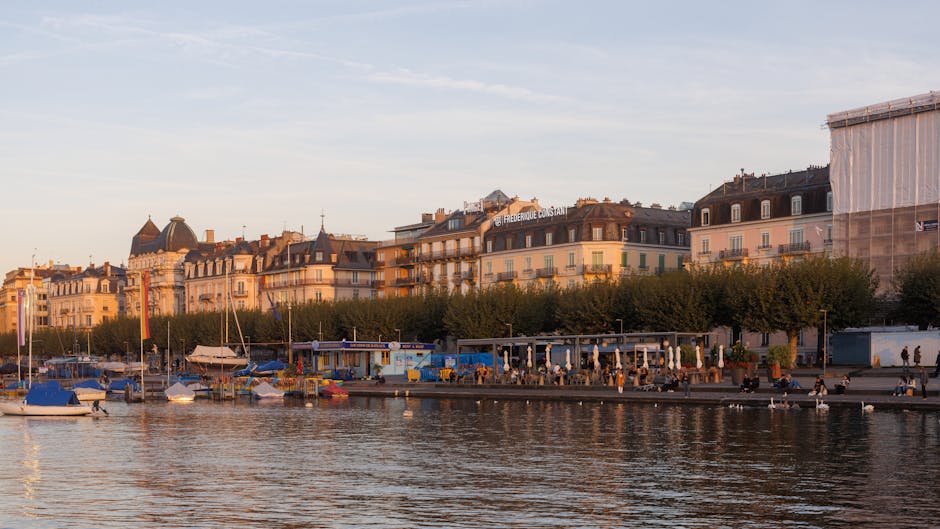






Introduction — Lake Maggiore Mysteries: tales of a mirror of water and stone
Lake Maggiore, that long ribbon of water tucked between Piedmont, Lombardy and the Swiss canton of Ticino, is a place where history and nature converse with almost theatrical grace. Both a mirror and a secret, it reflects alpine peaks, exotic gardens and medieval strongholds — but it also hides quieter stories: fishermen’s myths, abandoned-villa legends, stops by famous travelers and microclimates that allow plant species from around the world to thrive. This article is a comprehensive, professional guide for anyone who wants to approach Lake Maggiore not just as a tourist destination but as a cultural and sensory landscape to be explored in depth.
You’ll feel the need for a solid guide as soon as you take the boat from Stresa to the Borromean Islands: facing the baroque facade of the Palazzo Borromeo on Isola Bella, you see the sheen of aristocratic investment but you also sense old lakeside traditions, artisan workshops and gardens arranged according to symbolic codes. Elsewhere, the Giardini Botanici Villa Taranto in Verbania reveal a scientific and romantic approach to plants, while the Rocca Borromeo di Angera offers a journey through time, from feudal defenses to museum collections.
This guide gives you essential practical information: exact addresses, opening hours, prices in euros, local tips and immersive descriptions of each place. You’ll also find suggested itineraries, recommendations for small boats and advice on tailoring your visit to the weather — a crucial factor on a lake where a foggy morning can turn into a Mediterranean afternoon thanks to microclimates.
Finally, Lake Maggiore is a cultural and linguistic patchwork: Italian and Lombard are spoken, and Swiss influence is palpable on the northern shore. Treat these pages as a living map — with historical markers, concrete addresses and practical details — to turn the lake’s mysteries into respectful, memorable and accessible experiences.
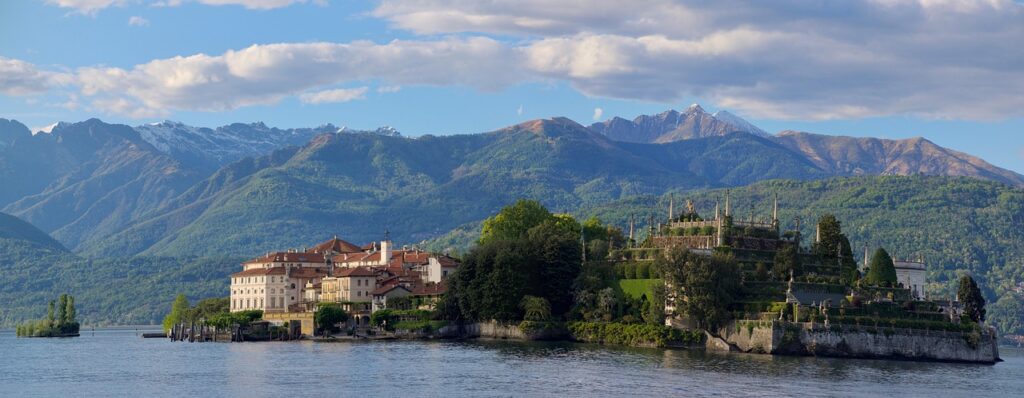
Stresa, the Borromean Islands and baroque charm (route and practical details)
Stresa is often the natural starting point for exploring Lake Maggiore. Located on the Piedmont shore, the town offers an elegant lakeside promenade and frequent boat connections to the islands. The most famous walk is Lungolago Vittorio Emanuele III, 28838 Stresa VB, where you’ll pass Belle Époque hotels, historic cafés and boat agencies. Stresa station is at Piazza I Maggio, 28838 Stresa VB — handy if you’re arriving by train from Milano Centrale.
The Borromean Islands are the baroque crown jewels of the lake. The archipelago includes three main islands: Isola Bella (Palazzo Borromeo, Isola Bella, 28838 Stresa VB), Isola Madre (Isola Madre, 28838 Stresa VB) and Isola Superiore dei Pescatori (Isola dei Pescatori, 28838 Stresa VB). Boats leave regularly from Molo di Stresa (Lungolago Vittorio Emanuele III); the main operator is Navigazione Lago Maggiore (piazza San Vittore, 1, 28845 Laveno-Mombello VA for main offices).
Prices and hours (indicative — check seasonally):
- One-way ticket Stresa → Isola Bella: about €6–€10 depending on season and company. Duration: 10–15 minutes.
- Palazzo Borromeo & gardens (Isola Bella): address Palazzo Borromeo, Isola Bella, 28838 Stresa VB. Hours: typically 09:00–17:30 (April–October); seasonal variations apply. Approx. price: €18 for the combined palace + gardens ticket.
- Isola Madre – Botanical Garden: access by boat from Stresa. Hours: 09:00–17:00 (April–October). Approx. price: €12–€15.
- Isola dei Pescatori: inhabited island (Isola Superiore). No island entrance fee; restaurants and shops offer meals starting around €15–€25 per person.
Local tips:
- Prefer mornings for Isola Bella: the gardens are cooler and the light is best for photos.
- Book ahead in high season (June–August) if you want a guided visit of Palazzo Borromeo.
- Pack light — island streets and stairways can be steep; avoid big suitcases.
- Food tip: try lavarello (local lake whitefish) at a restaurant on Isola dei Pescatori, like Ristorante da Rino (Via San Vittore, Isola dei Pescatori, Stresa — dishes from about €18).
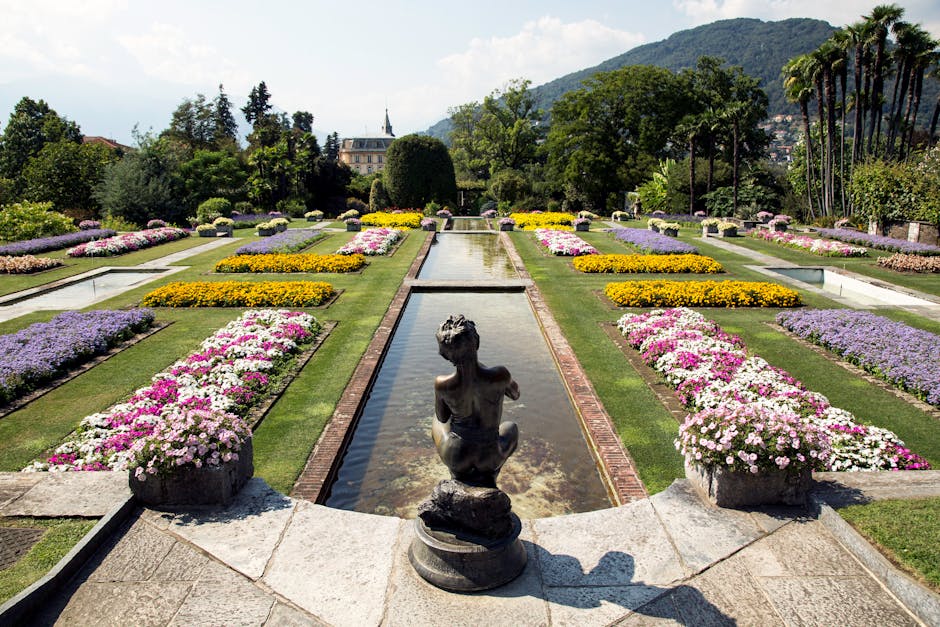
Villa Taranto, Verbania and exceptional gardens: botany, history and practicals
Just a few kilometers west of Stresa, on the lake’s western shore, lies Verbania Pallanza and its botanical treasure: the Giardini Botanici Villa Taranto. Address: Villa Taranto, Via Vittorio Veneto 1, 28921 Verbania Pallanza VB. This park is the fruit of British Major Neil McEacharn’s passion, who, from the 1930s onward, brought in and arranged thousands of species to create an extraordinarily varied botanical collection.
Hours and prices (seasonal — check before you go):
- Hours: generally open April to October, 09:00 to 18:00 (summer hours). Partial winter closure.
- Prices: entry about €12 for adults; reduced rates for students and seniors (around €8–€10).
Immersive description:
Picture geometric paths lined with blazing rhododendrons in spring, beds of tulips arranged with careful choreography and ponds where waterlilies float like small islands. Collections include Japanese azaleas, towering sequoias and acclimatized exotic plants helped by a microclimate gently moderated by the lake. The park is large: allow at least two to three hours for a relaxed visit.
Practical tips:
- Transport: Villa Taranto is reachable by car (on-site parking, Via Vittorio Veneto 1) and by local bus from Verbania center; check urban lines before you set out.
- Shoes: wear comfortable walking shoes — paths are often gravel and include slopes.
- Take a break in the garden café to try a regional specialty: Piedmont hazelnut cake with an espresso (prices around €3–€6).
- Guided tours: ask about themed visits (botanical history, plant identification) which are offered occasionally and may require booking.
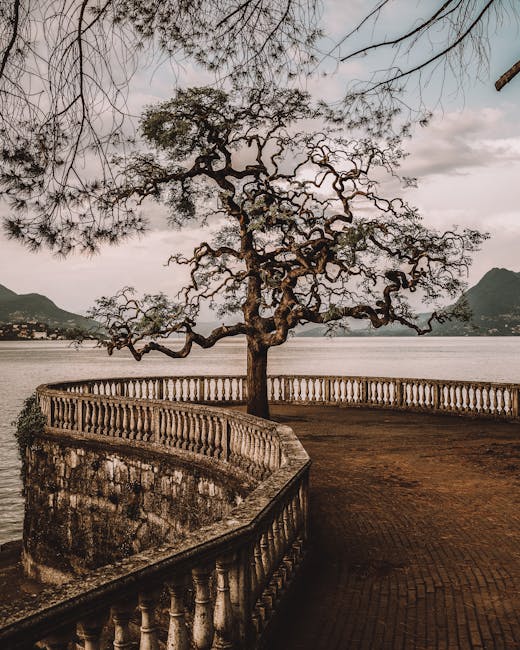
Rocca Borromeo di Angera, Cannobio and shores of mystery: fortresses, villages and trails
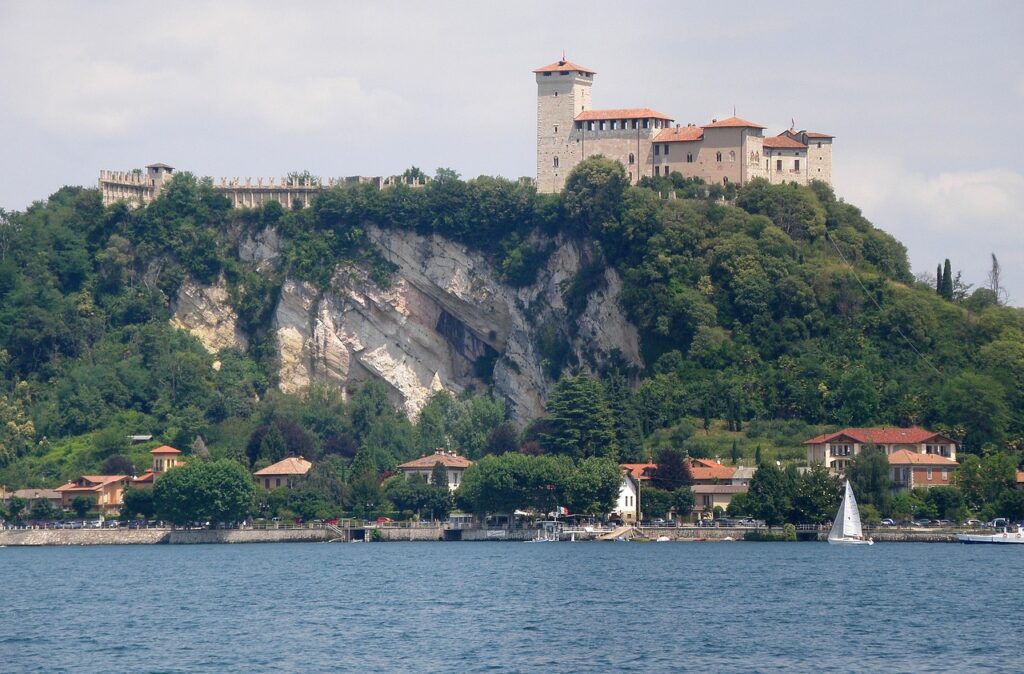
The imposing profile of the Rocca Borromeo di Angera dominates the lake’s southwest shore. Address: Rocca Borromeo di Angera, Piazza Castello 2, 28041 Angera VA. This medieval fortress, owned by the Borromeo family since the 14th century, now houses a museum of historic objects, an impressive collection of antique dolls and rooms with panoramic lake views. The Rocca is a clear example of how defensive and residential functions overlap.
Hours and prices (indicative):
- Hours: generally open April to October, 09:30–18:30 in high season; reduced hours off-season.
- Prices: full admission about €8–€10; reduced rates for students and groups.
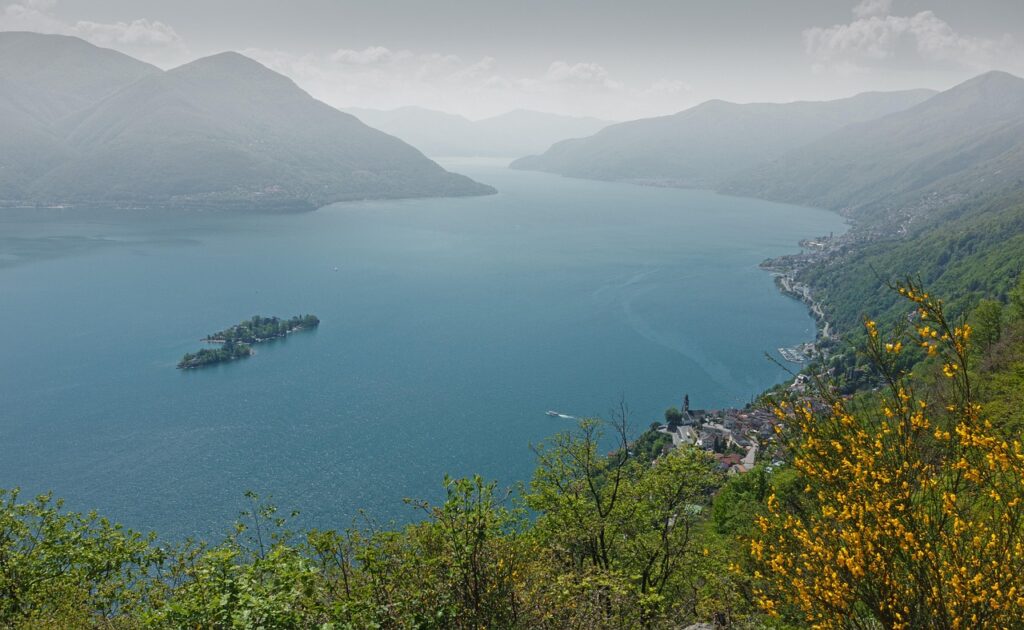
Further north, the eastern shore comes alive around villages such as Cannobio (Piazza Garibaldi, 28824 Cannobio VB), known for its Sunday market and medieval lanes. Cannobio is a gateway to alpine valleys and offers pleasant lakeside walks lined with restaurants and gelaterie. At the Swiss end, the small town of Brissago hosts the Parco Botanico del Cantone Ticino (Isole di Brissago), two botanical islands reachable from the passeggiata di Brissago Marina (Piazza Batto 1, 6614 Brissago, Switzerland). This park features subtropical collections benefiting from a very mild microclimate.
Local tips and trails:
- Short hike: From Cannobio, take the lakeside path (sentiero lungolago) then climb up to the church of San Vittore for a sweeping view of the lake. Time: 1–2 hours round trip.
- Combined visit: combine Rocca di Angera in the morning with a crossing to the Isole di Brissago in the afternoon — check cross-border boat schedules and Swiss entry requirements (ID card).
- Boat price Angera → Isole di Brissago: variable rates; budget around €15–€25 for a crossing depending on season and operator.
- Safety: on high-altitude trails, bring a windproof jacket even in summer — weather can change fast.
Local experiences, food and practical tips for a memorable stay
Beyond monuments and gardens, Lake Maggiore is best experienced through its flavors, micro-events and local rituals. Meals lean into terroir: lake fish like lavarello, risottos scented with fish broth, hazelnut desserts from Piedmont and local wines (Gavi from Monferrato, Nebbiolo from the hills). Here’s a shortlist of places and concrete recommendations to deepen your visit.
Food addresses and suggestions:
- Ristorante La Rampolina — Via IV Novembre 1, 28823 Ghiffa VB. Specialties: lake fish. Prices: main courses €18–€30. Hours: typically 12:00–14:30 and 19:00–22:30 (closed Monday off-season).
- Ristorante da Rino (Isola dei Pescatori) — Via San Vittore, Isola dei Pescatori, 28838 Stresa VB. Specialties: lavarello and grilled fish. Prices: dishes €18–€30. Hours: 12:00–15:00 and 19:00–22:00.
- Gelateria La Pasticceria — Piazza Risorgimento, 28922 Verbania VB. Perfect for an artisan gelato after visiting the gardens. Prices: scoops from €2.50.
Accommodation tips and small finds:
- Hotel suggestions: Grand Hotel des Iles Borromées (Lungolago Matteotti 5, 28838 Stresa VB) for a Belle Époque experience; rooms from about €120–€250 depending on season.
- Bed & breakfasts: family-run B&Bs in Cannero Riviera (Via Marconi 12, 28821 Cannero Riviera VB) — often more affordable, roughly €60–€90 per night for a double including breakfast.
- Local markets: Cannobio’s weekly market (Piazza Garibaldi) on Sunday morning is a great spot to buy local goods (cheeses, cured meats, lake honey); prices vary but quality is excellent for the price.
Transport and useful practices:
- Ferries: Navigazione Lago Maggiore runs regular lines between Stresa, Verbania, Angera, Laveno and the islands. Check timetables online; a day pass can be worthwhile (about €20–€30 depending on season).
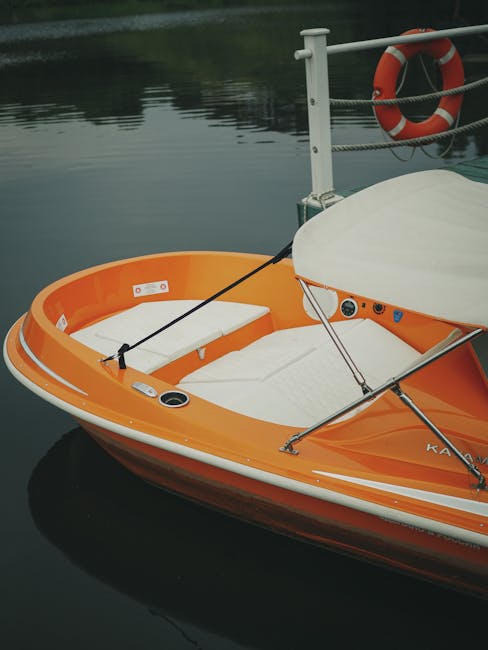
- Rent a boat without a license: several rental companies around Stresa offer electric or motor boats for independent cruising — daily rates roughly €120–€250 depending on the model.
- Best time to visit: May–June and September–early October offer pleasant temperatures, fewer crowds and gardens in full bloom; July–August is the busiest.
- Health & safety: always carry water, sunscreen and a small first-aid kit; some trails are remote and mobile coverage can be limited.
Conclusion — Between water and stone: how to keep Lake Maggiore’s mystery intact
Lake Maggiore is a land of contrasts: the splendor of baroque palaces sits beside the simplicity of fishing villages, the refinement of botanical gardens alongside the gentle rawness of alpine trails. To preserve the lake’s mystery you must take your time — time to watch the reflections, listen to locals’ stories, lose yourself down a shaded lane and let yourself be surprised by an unlikely flower on a rocky terrace. This guide aims to provide the essential practical details — addresses, hours, approximate prices and local tips — but above all to help you craft an itinerary that favors meaningful discovery over a photo checklist.
A few final tips to respect and enjoy the place:
- Respect natural spaces: gardens and botanic parks are fragile collections; stay on marked paths and don’t pick plants.
- Choose gentle transport: boat links reduce road congestion and offer unique perspectives on the shoreline and villas.
- Learn a few Italian phrases (buongiorno, grazie, permesso) — they often open doors and bring smiles from local shopkeepers.
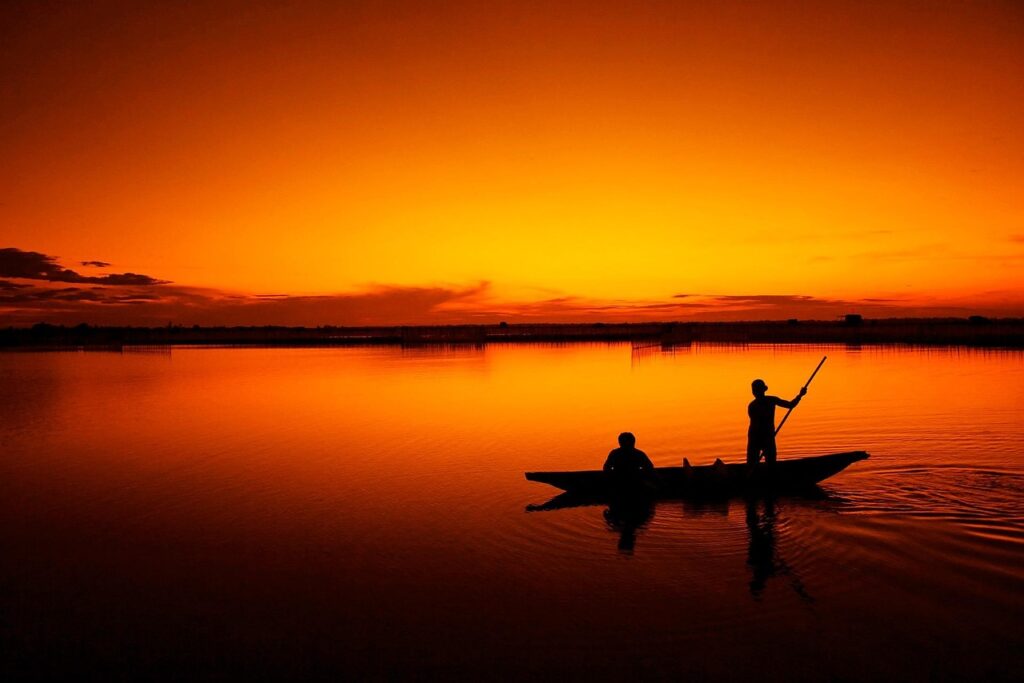
- Make time to wonder: schedule blank periods to simply look — at sunset the lake becomes a palette of colors that reveals its quiet history.
In short, Lake Maggiore reveals itself in layers: culture, botany, history and everyday life. By respecting the places, planning visits with the hours and prices given here and leaving room for curiosity, you’ll turn a simple outing into a truly immersive experience. The lake’s mysteries aren’t solved — they’re lived, told and passed on. Whether it’s your first visit or a return trip, let the light and the lake breeze reshape how you see things — and come back, because Lake Maggiore welcomes those who want to learn to listen to it.