





Introduction: The century-old gardens of Lake Maggiore — treasures worth restoring
In the heart of northern Italy, Lake Maggiore (Lago Maggiore) unfolds a one-of-a-kind collection of landscapes, architecture and historic gardens that have survived for centuries. These gardens — formal plantings, exotic botanical compositions and panoramic terraces — are more than tourist attractions: they’re living archives of horticultural practices, landscape know-how and family histories. Preserving these century-old spaces requires as much aesthetic sensitivity as technical expertise. Restoring a historic garden means honoring the place’s memory while adapting it to contemporary demands of climate resilience, biodiversity and public access.
Lake Maggiore is home to several iconic gardens and villas: the gardens of the Villa Taranto in Verbania, the palaces and parterres of the Borromean Islands — notably Isola Bella and Isola Madre — the landscaped park of Villa Pallavicino in Stresa, and other lesser-known but equally precious estates, like the gardens of Villa della Porta Bozzolo (to the north of the lake) and the botanical promenades of Pallanza. Each site presents specific challenges: corroded wrought-iron pergolas, overcrowded rhododendron groves, algae-choked ponds, exotic 19th-century species requiring special conditions, and historic paths that are now fragile.
Restoring a century-old garden on Lake Maggiore involves many stakeholders: private owners, foundations (like the Fondazione Isola Bella and other local bodies), landscape architects, specialist nurseries, and sometimes international conservation teams. It demands intimate knowledge of botanical archives, historic plans, and sometimes analysis of period photographs. It’s also an ecological undertaking: reintroducing native species, creating wildlife corridors, managing water sustainably, and minimizing pesticide use.
This article offers a practical, immersive tour of the restoration secrets behind the century-old gardens around Lake Maggiore. You’ll find detailed descriptions of must-see places, practical details and addresses, rough entry prices and opening hours, plus concrete advice to understand restoration priorities — from plant selection to rebuilding hydraulic systems, and maintaining stonework and statues. Whether you’re a landscape professional, owner of a historic garden, or an inquisitive traveler wanting to better understand these places, this guide will help you read the landscape and appreciate the delicate mechanics of their conservation.
Iconic gardens: case studies and restoration approaches
To really get how restoration works, it helps to look at concrete case studies. Villa Taranto in Verbania, the Palazzo Borromeo on Isola Bella, Isola Madre and Villa Pallavicino in Stresa are perfect examples where history, botany and modern techniques meet. Below are detailed descriptions and specific restoration approaches for each.
Villa Taranto — Verbania (founding and botanical collections)
Villa Taranto (official name: Giardini Botanici Villa Taranto) is located at Viale delle Magnolie 1, 28922 Pallanza (Verbania) VB, Italy. Founded by Major Neil Boyd McEacharn in the 1930s, this estate is famous for its bulb collections, rhododendrons and rare trees. Restoring Taranto means simultaneously caring for scientific botanical collections and shaping the visitor landscape. Technical priorities include soil conservation (testing composition and organic inputs), protecting sensitive species through harsh winters, and rehabilitating greenhouses and historic paths.
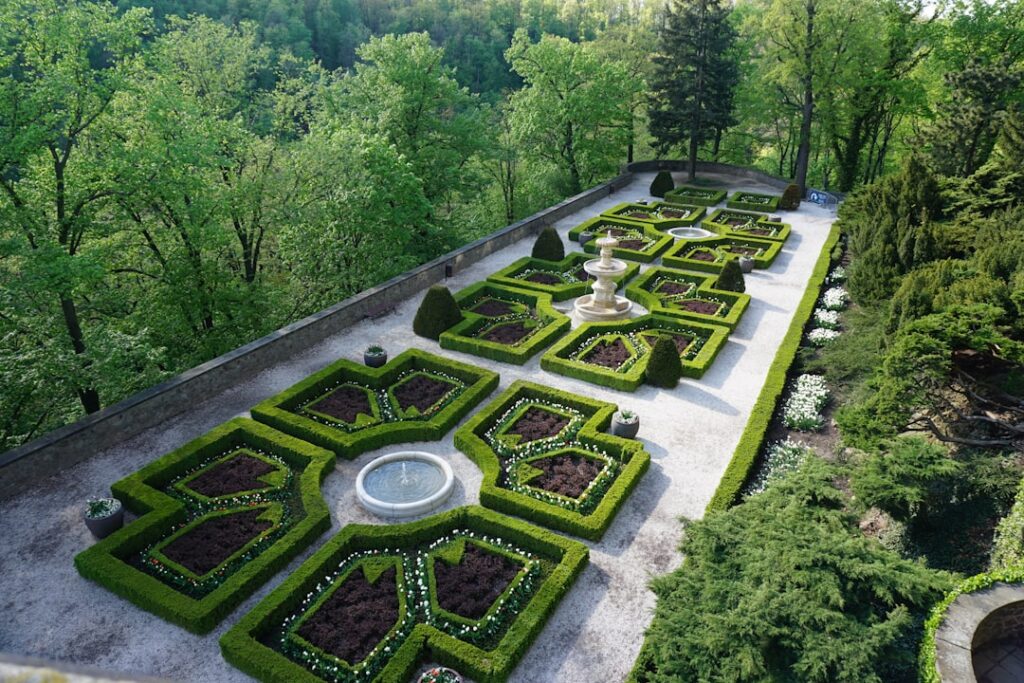
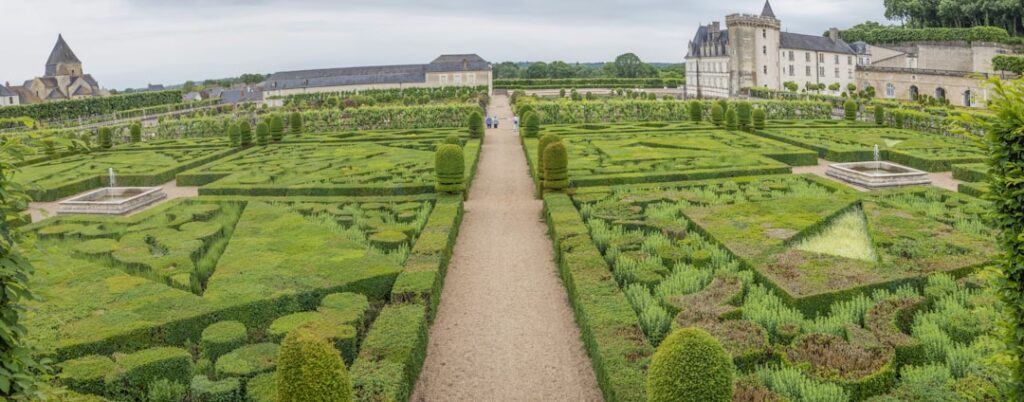
Practical info: indicative entry fee: €10 for adults (reduced rates may apply), opening hours: 9:00–18:00 from March to October, variable hours off-season. Restoration workshops and guided tours are available by reservation via the local tourist office. Recent restorations at Villa Taranto have focused on reshaped boxwood borders, restoring ponds (drainage and natural filtration), and planting native shrubs to stabilize slopes.
Isola Bella — Palazzo Borromeo and terraced gardens
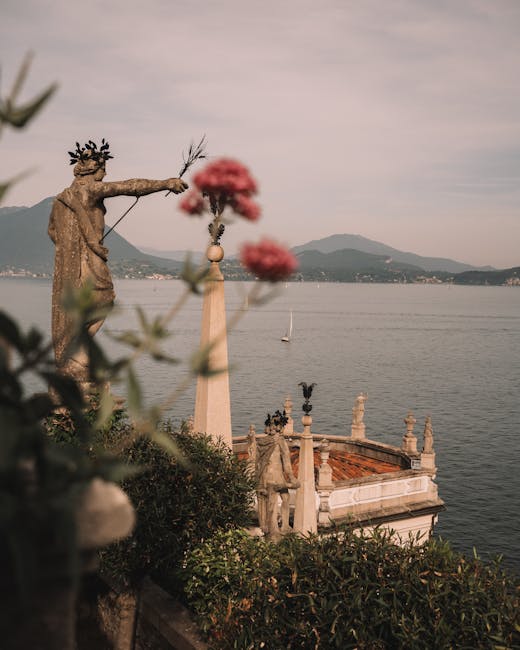
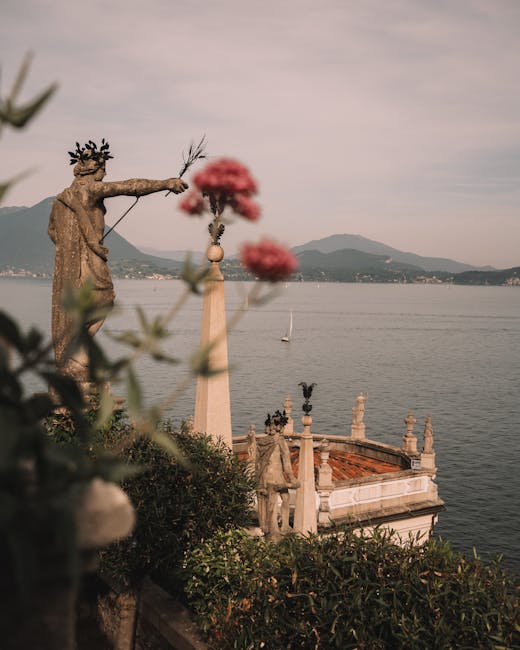
Isola Bella hosts the Palazzo Borromeo and its terraced gardens, located at Isola Bella, 28838 Stresa VB, Italy. This Baroque ensemble, created by the Borromeo family in the 17th–18th centuries, blends art, sculpture and sequences of topiaries. Restorations here demand particular delicacy: marble and limestone statues suffer from lake winds and cycles of humidity, while terraces require precise management of gravity and water networks to prevent erosion. conservation treatments for sculptures favor gentle cleaning, consolidation with specific resins, and biodegradable chemical protections when needed.
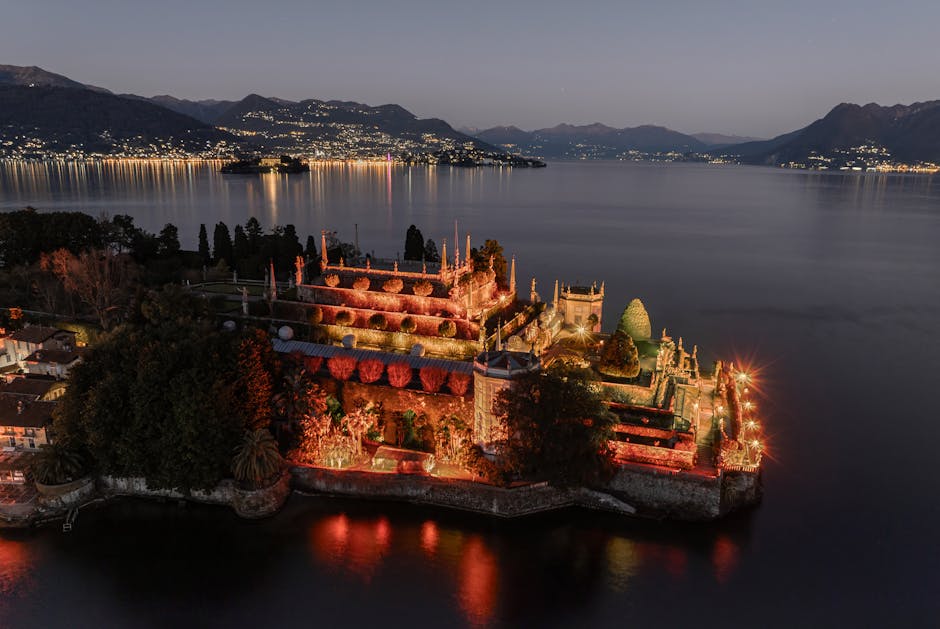
Practical info: combined palace + gardens ticket around €20 for adults, usual opening hours 9:00–18:30 (May–September) with reduced hours off-season. Local tips: visit early in the morning for photos without crowds and to avoid the afternoon heat in summer. Restoration teams recommend substituting old varieties with closely matching cultivars more resistant to modern diseases to preserve the historic look while ensuring the beds’ survival.
Isola Madre — botanical park and birdlife
Isola Madre features an English-style botanical garden and a historic aviary, located at Isola Madre, 28838 Stresa VB, Italy. Restoration challenges include managing living fences, conserving large exotic trees planted in the 19th century (magnolias, camellias), and rehabilitating spaces for the resident birdlife. Sustainable interventions favor creating quiet zones, planting fruiting shrubs for birds, and establishing an annual phytosanitary monitoring program. Soil drainage is often reviewed to prevent waterlogging around old foundations.
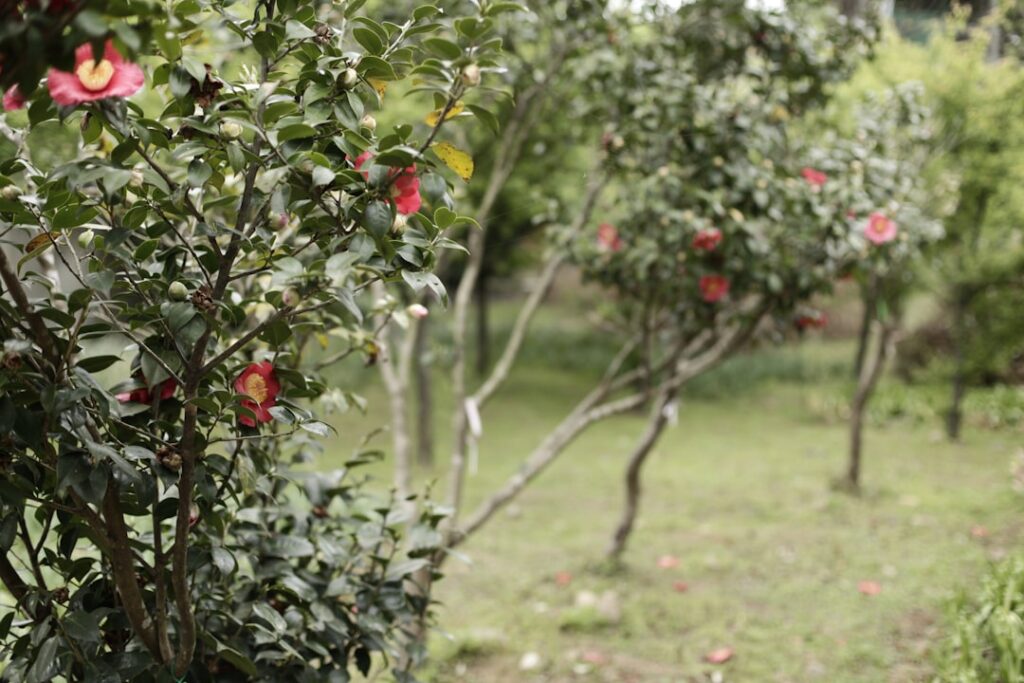
Practical info: entry fee around €15, usual hours 9:30–17:30 depending on season. On-site, follow the signs for pedestrian routes, and buy combined Isola Bella + Isola Madre tickets to save. For restoration projects, it’s recommended to work with dendrologists to diagnose old-tree diseases and define conservative pruning and possible grafting strategies.
Villa Pallavicino — animal park and romantic gardens
Villa Pallavicino (Parco della Villa Pallavicino) is located at Via Gignese 4, 28838 Stresa VB, Italy. This 19th-century park combines English-style gardens, small lakes and a wildlife reserve. Restoration prioritizes integrating landscape management with care for small fauna (fallow deer, exotic birds). Rebuilding stabilized pathways, restoring wooden bridges and pergolas, and recreating protective hedges are key tasks. Techniques include using compatible materials (naturally treated wood, local stone) and repairing irrigation systems to avoid overwatering during dry spells.
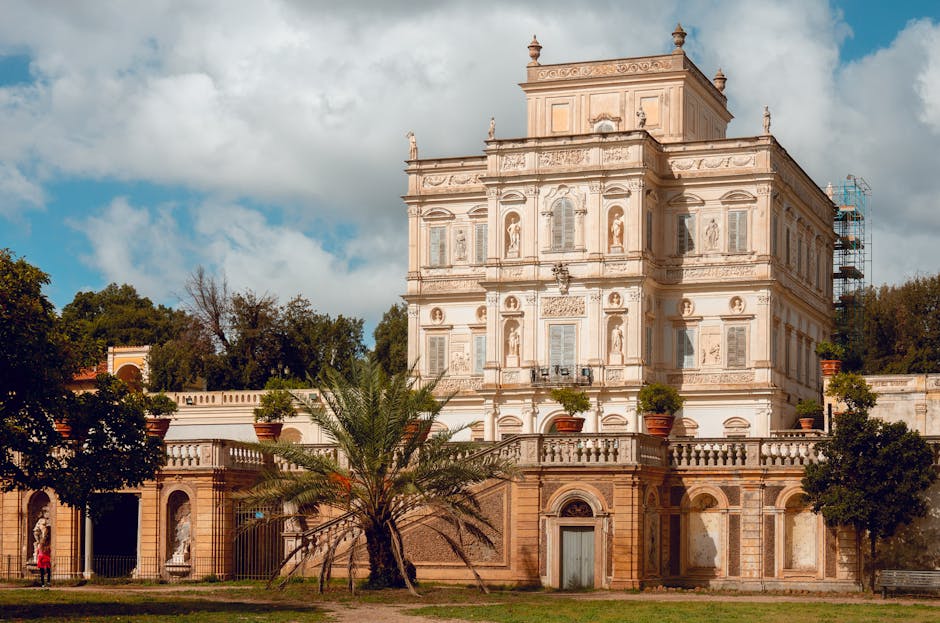
Practical info: approximate entry €12, hours: 9:00–18:00 (summer hours), family discounts available. For local projects, park managers advise five-year maintenance plans and hiring landscapers trained in gentle pruning techniques rather than severe cutting to preserve the silhouettes of historic trees.
Key restoration techniques: soil, water, structures and plants
Restoring a century-old garden isn’t just swapping a plant or fixing a bench. Challenges span several technical fields: soil health, water management, conservation of built elements (ponds, statues, pergolas) and plant selection. Here are tried-and-tested techniques and practical tips from restoration work around Lake Maggiore.
Soil care and organic regeneration
Historic garden soils have often been altered by successive additions (sand, fill, organic amendments). A granulometric and chemical analysis is the first step: pH, organic matter content, presence of salts and pollutants. Around Lake Maggiore, local organic amendments (ripe compost, composted manure) and the addition of mycorrhizae are favored to boost root establishment for exotic historic species. The top-dressing technique (surface nutrient layer) is often preferred over deep tilling, which disturbs the historical stratigraphy of soils.

Practical tips: multiply sampling zones (at least 10 samples per hectare), preserve topsoil horizons, and install organic mulches to reduce summer evaporation. Locally funded projects often include volunteer workshops to produce community compost and cut costs.
Water management: ponds, drainage and sustainable irrigation
Water plays a central role around Lake Maggiore. Terraced gardens, like those on Isola Bella, require precise drainage networks to prevent erosion. Historic ponds often need a full overhaul of their waterproofing (compacted clay or modern compatible membranes), installation of natural filtration systems (wetland areas planted with sedges and reeds) and low-energy recirculation circuits. In restored estates, rainwater harvesting for irrigation and on-site retention to feed beds during summer droughts are prioritized.
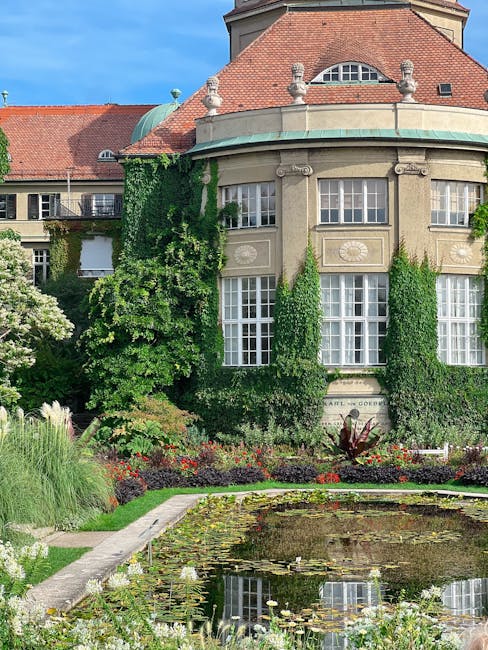
Tips: use drip irrigation systems on beds and moisture sensors to control watering; maintain an annual monitoring plan for lake levels and groundwater; and install buffer ponds upstream of sensitive areas to filter runoff.
Conserving structures and sculptures
Stone steps, marble statues, and metal pergolas are signature elements of these gardens. Conservation techniques range from gentle cleaning to structural stabilization. For marble or limestone sculptures, conservators use soft micro-abrasion cleaning, silica-based consolidants, and sometimes sacrificial anodes to reduce electrochemical erosion in a lakeside environment. Metal parts (gates, pergolas) require stripping, rust treatment and repainting with finishes compatible with historic aesthetics.

Practical tips: document every intervention with photos and technical sheets, keep replaced parts in storage for future study, and work with materials laboratories to test products before application. For major restorations, applying for European funding (LIFE programs, regional funds) can be decisive.
Policies, funding and local involvement
Saving century-old gardens isn’t only done on the ground: it also depends on public policy, funding models and community involvement. Around Lake Maggiore, different governance models coexist: municipal management (parco comunale), private entities (families, Fondazioni), and tourist concessions. Understanding these models is essential to set up sustainable restoration plans.
Grants and partnerships
Restorations often benefit from regional grants (Regione Piemonte, Regione Lombardia depending on the shore), European cultural heritage funds, and private patronage. For example, rehabilitating a wing of a palace or restoring a historic garden can be co-financed up to 40–70% by public programs if the application includes a heritage management and public access plan. Partnerships with universities (botany, agronomy), nature conservatories and local NGOs strengthen technical dossiers and provide scientific expertise.
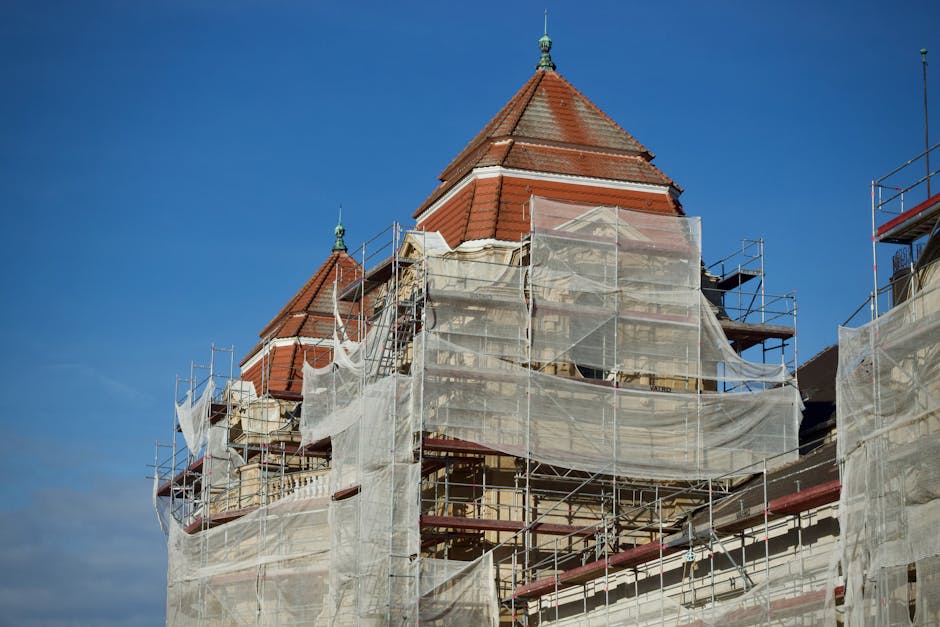
Tips: prepare clear dossiers with cost/benefit analyses, intended public use and tourism impacts; highlight ecological benefits (creating pollinator habitats), and set monitoring indicators (visitor numbers, plant health). Projects that include educational components (school workshops, multilingual information panels) often have better chances of securing cultural funding.
Community engagement: volunteering and sustainable tourism
Historic gardens are as much to be experienced as they are to be preserved. For that reason, engaging residents and volunteers is crucial. Volunteer programs for bed maintenance, citizen planting days, guided tours led by trained locals — all help build social ties and reduce upkeep costs. Sustainable tourism is also key: limiting flows to fragile areas, offering staggered visiting hours (dawn visits), and developing joint tickets to spread revenue among multiple sites.
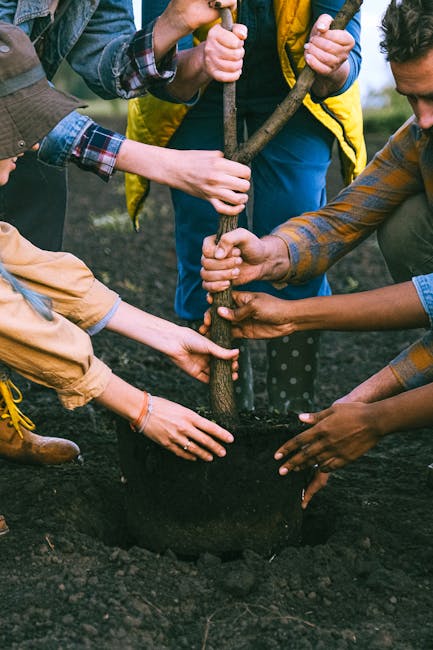
Practical tips: create themed trails (historic botany, Borromeo family sculptures, lake birds) to diversify offerings; train local guides; and set visitor quotas during peak season to avoid wear on paths and beds. Gardens adopting these practices typically see improved plant health and a stronger relationship with their territory.
Practical advice for visitors and private owners
Whether you’re a curious visitor or the owner of a small estate around Lake Maggiore, there are simple practices and principles that help preserve century-old gardens. Below are practical recommendations based on the experience of the sites covered in this article.
For visitors: respectful, sustainable discovery
- Tickets and timing: buy tickets online when possible (Isola Bella, Isola Madre, Villa Taranto) to avoid queues and reduce pressure on ticket offices. The rates mentioned above are indicative; check official sites before your visit.
- Respect protected areas: don’t step on beds, respect invisible barriers and avoid picking flowers. Rare, sometimes century-old plants can be irreparably damaged by thoughtless picking.
- Photography and drones: most gardens allow static photos for private use, but drone use is often regulated or banned without explicit permission because of wildlife and site fragility.
- Fall in love without leaving a trace: take your rubbish with you, favor low-impact transport (boat, bike, walking) between sites, and keep to visiting hours so you don’t overload maintenance teams.
For owners and managers: maintenance and long-term strategies
- Five-year management plan: develop a prioritized work program (path repairs, tree pruning, targeted phytosanitary treatments) and budget it. Plans that include communication (information panels, educational visits) more easily attract funding.
- Expert diagnosis: involve dendrologists, materials conservators and hydrologists before any heavy work. Starting interventions without a diagnosis often leads to costly errors.
- Plant selection: prioritize hardy varieties that remain true to the historic spirit. For characteristic palms, camellias, rhododendrons or magnolias, choose cultivars resistant to local diseases.
- Team training: invest in gardener training for gentle pruning, disease identification and non-aggressive conservation techniques.
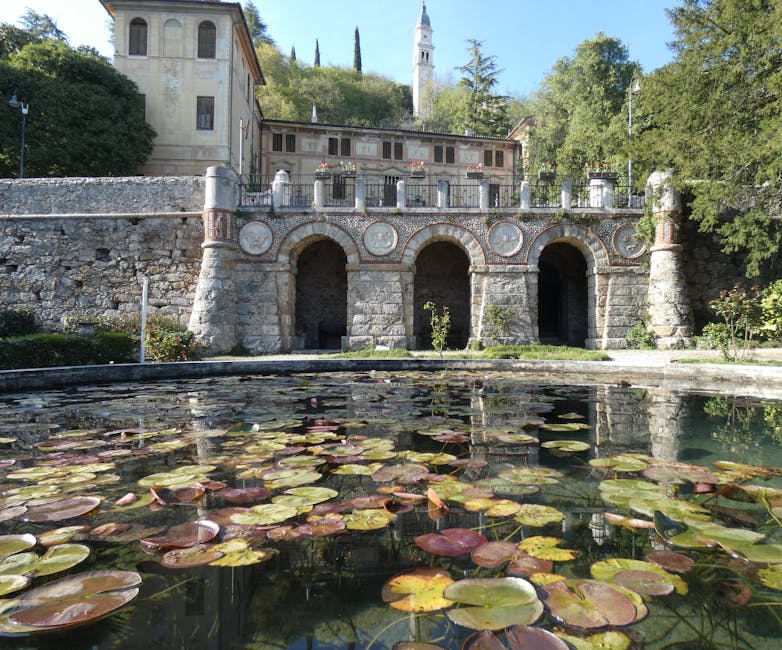
Final tips: document the garden’s condition annually, keep photographic archives and technical plans, and involve the local community. Preserving a century-old garden is patient, multi-year and sometimes multi-generation work — but it guarantees the landscape will keep telling its story to tomorrow’s visitors.
Conclusion: Between tradition and innovation — the future of Lake Maggiore’s century-old gardens
The century-old gardens of Lake Maggiore are living witnesses to centuries of horticultural and landscape history. Their restoration is an act of cultural, scientific and ecological safeguarding. From the Baroque terraces of Isola Bella to Villa Taranto’s scientific collections, Villa Pallavicino’s romantic paths and Isola Madre’s Mediterranean groves, each site calls for a tailored strategy combining traditional know-how with modern techniques. The best restoration projects reconcile historical authenticity with ecological resilience: revitalized soils, precise water management, climate-adapted plant choices and careful monitoring of old stone and metal structures.
To succeed, cooperation is essential — between local authorities (mayors of Stresa, Verbania), private foundations, universities, local craftsmen and mindful visitors. Funding, whether public grants, patronage or ticket income, must be tied to clear management plans and maintenance schedules. Training teams and involving local volunteers complete the picture by ensuring day-to-day attention, indispensable for preventing deterioration and quickly detecting plant or structural maladies.
Finally, every visitor has a role to play: respect the beds, choose sustainable routes and take part in workshops or donations when opportunities arise. These gardens, enhanced by Lake Maggiore’s light and the hands of generations of gardeners, deserve constant care. Between preserving the past and adapting to the future, restoring century-old gardens is a long, generous act of stewardship that ensures these landscapes continue to feed imagination, history and biodiversity for decades to come.